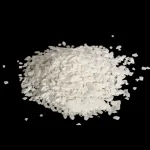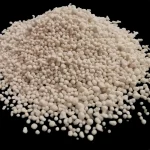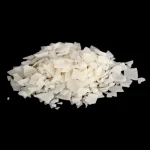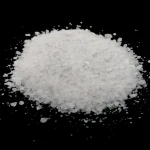
Команды зимнего ремонта, домовладельцы и управляющие объектами часто беспокоятся о Таяние льда Повреждения бетона после того, как я увидел треснувшие подъездные дорожки, поднимающиеся тротуары или обколотые парковки после уборки снега. Хотя часто обвиняют средства для обезледения, на самом деле всё гораздо сложнее, чем просто определить одно химическое вещество как причину.
Многие считают, что каждый продукт таяния льда повреждает бетон одинаковым образом. На практике разрушение бетона зависит от множества факторов — включая возраст бетона, циклы замерзания и оттаивания, содержание влаги, нормы нанесения и тип используемого деодезера. Понимание этих переменных помогает различить повреждения, вызванные условиями окружающей среды, и ущерб, связанный с неправильным использованием очистителя от льда.
Выбор правильной стратегии противообледенения требует понимания того, как разные химические вещества взаимодействуют с бетоном, а не полагаться на распространённые заблуждения. Это руководство объясняет, когда Хлорид кальция можно безопасно использовать, какие существуют риски и какие лучшие практики снижают вероятность долгосрочного разрушения бетона.
Хлорид кальция безопасен при правильном обращении. Ключевые риски — чрезмерное применение, повторяющиеся циклы замораживания и оттаивания, плохое качество или недавно залитый бетон и недостаток дренажа. При правильном управлении этими факторами хлорид кальция остаётся одним из самых эффективных средств для зимнего обслуживания.
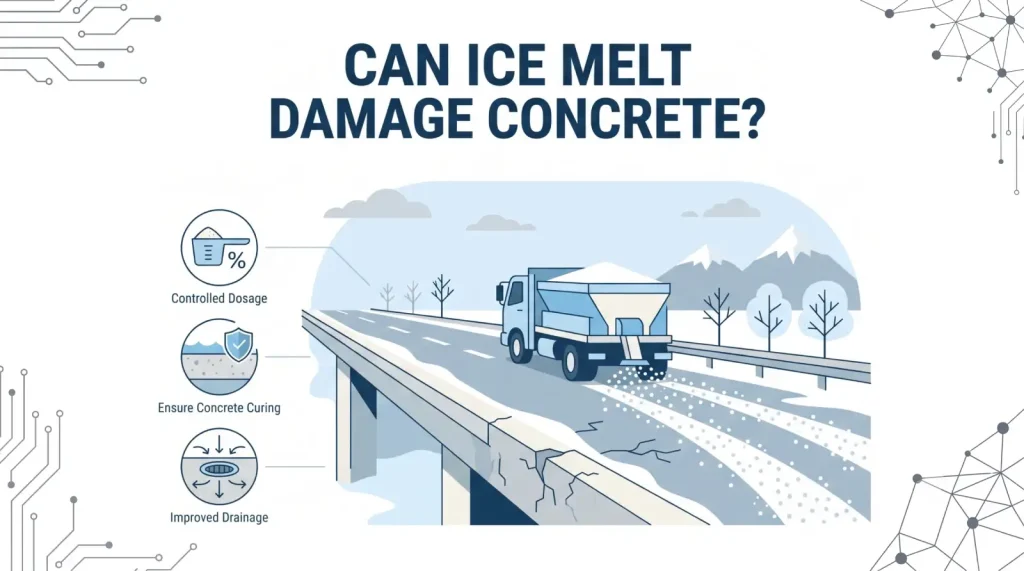
Что вызывает повреждения бетона при таянии льда?
Не все повреждения бетона, появляющиеся зимой, напрямую вызваны средствами противообледенительного покрытия. Во многих случаях основной причиной является повторяющееся расширение и сжатие воды, задержанной внутри бетона.
Когда температура колеблется около 0°C (32°F), вода попадает в микроскопические поры внутри бетона. Когда эта вода замерзает, она расширяется примерно на 9% , создавая внутреннее давление. Повторяющиеся циклы замораживания и оттаивания постепенно ослабляют поверхность и в конечном итоге могут привести к чешуащению, отслаиванию или трещинам.
Распространённые факторы включают:
- Цикл заморозки-оттаивания
- Плохой дренаж
- Высокая пористость бетона
- Низкая прочность бетона
- Раннее воздействие перед полным затвердеванием
- Чрезмерное использование обезледенительных химикатов
Сочетание влажности и морозных температур, как правило, представляет большую угрозу, чем сам дефилер.
Американский институт бетона (ACI) рекомендует, чтобы внешний бетон, подвергшийся воздействию ледяных условий, обеспечивал достаточную задержку воздуха для повышения долговечности при заморозке и оттаивании.
Виды зимних повреждений бетона
| Тип повреждения | Основная причина | Типичный внешний вид | Может ли Deicer увеличить риск? |
|---|---|---|---|
| Поверхностное масштабирование | Циклы замораживания и оттаивания | Отслаивающаяся поверхность | Да, в тяжёлых условиях |
| Отслоение | Расширение влажности | Крупные сломанные части | Иногда |
| Тонкие трещины | Тепловое движение | Мелкие трещины | Редко напрямую |
| Поп-ауты | Совокупное расширение | Маленькие ямы | Возможно |
| Структурные трещины | Проблемы с проектированием или загрузкой | Глубокие непрерывные трещины | Обычно не связано с этим |
Как хлорид кальция влияет на бетон?
Хлорид кальция Это работает иначе, чем просто снижение температуры замерзания воды. При растворении он выделяет тепло через экзотермическую реакцию, позволяя льду таять быстрее даже при температурах значительно ниже нуля.
Высокая эффективность плавления делает хлорид кальция одним из самых широко используемых зимних средств для обледенения:
- Автомагистрали
- Взлётно-посадочные полосы аэропортов
- Парковочные условия
- Промышленные объекты
- Погрузочные доки
Однако повышенная эффективность также означает, что неправильное нанесение может оставить избыток рассола на поверхности асфальта. Если дренаж плохой, повторяющаяся насыщение и замерзание могут способствовать дополнительному стрессу от замерзания и оттаивания.
Ещё один важный момент — возраст бетона.
Свежий бетон обычно требует не менее 28 дней чтобы достичь конструктивной прочности. Применение обледенения до достаточного отверждения увеличивает вероятность разрушения поверхности независимо от выбранного химического вещества.
Исследования также показали, что правильно обработанный воздухом бетон демонстрирует значительно большую устойчивость к зимнему разрушению, чем бетон без воздушной обработки при идентичных условиях окружающей среды.
Почему иногда винят хлорид кальция?
Репутация хлорида кальция часто основана на ситуациях, когда одновременно возникают несколько факторов риска, а не только на химическом воздействии.
Например, подъездная дорожка, залита поздней осенью, может иметь следующее:
- Неполное отверждение
- Частые морозные ночи
- Сильный снегопад
- Применение множественных деисеров
- Плохой дренаж
Если чешуйка появится в первую зиму, виноват хлорид кальция, даже если бетон уже стал уязвимым.
Другие распространённые причины включают:
Недавно залитый бетон
Бетон продолжает увлажняться ещё несколько недель после установки. В этот период поверхностная прочность всё ещё развивается.
Чрезмерная скорость применения
Нанесение значительно большего количества оболока, чем необходимо, увеличивает концентрацию остаточной соли и удержание влаги.
Повторяющиеся циклы заморозки и оттаивания
Даже необработанный бетон может разрушаться после десятков циклов замерзания и оттаивания, когда влага не может выйти.
Недостаточная дренажная система
Стоячая талая вода неоднократно замерзает, создавая большее внутреннее напряжение, чем поверхности, которые быстро сохнут.
Распространённые ошибки, которых следует избегать
Несколько заблуждений способствуют ненужному Повреждения бетона от таяния льда во время зимнего технического обслуживания.
- Нанесение оболока перед уборкой снега. Толстый снег ограничивает контакт между химическим веществом и ледяным слоем, снижая эффективность.
- Использование чрезмерных доз. Больше продукта редко увеличивает скорость плавления пропорционально и часто оставляет ненужные остатки.
- Обработка только что залитого бетона. Бетон младше примерно 28 дней гораздо более уязвим к зимнему разрушению.
- Игнорируя проблемы с дренажем. Талая вода, задержавшаяся на ровных поверхностях, увеличивает давление замораживания и оттаивания независимо от используемого дефилера.
- При условии, что все дефилдеры работают одинаково. Различные химические вещества значительно различаются по эффективному температурному диапазону, скорости плавления и взаимодействию с окружающими материалами.
Чек-лист зимней защиты бетона
Перед нанесением любого средства для противообледени проверьте следующее:
- ✓ Удалите рыхлый снег перед химическим применением.
- ✓ Подтвердите, что бетон полностью затвердевал.
- ✓ Наносите только рекомендованное количество средств.
- ✓ Улучшить дренаж там, где вода обычно собирается.
- ✓ Убрать лишние остатки после завершения плавления.
- ✓ Регулярно осматривайте поверхности на предмет ранних признаков чешуйки или трещин.
- ✓ Выбирайте дефилдер исходя из ожидаемой минимальной температуры, а не по привычке.
Итог: Во многих случаях, Повреждения бетона от таяния льда Это происходит в результате взаимодействия влаги, циклов замерзания и оттаивания и качества конструкции — а не Хлорид кальция в одиночку, когда он применяется правильно.
Почему хлорид кальция показывает лучшие результаты, чем многие другие дефилдеры?
Выбор дефилератора — это не просто таяние льда, а баланс между плавлением, защитой покрытия, экологическими условиями и эксплуатационными затратами. Хлорид кальция широко применяется, потому что он эффективен при гораздо более низких температурах, чем некоторые распространённые альтернативы.
По мере растворения хлорида кальция выделяется тепло через экзотермическую реакцию. Это дополнительное тепло ускоряет таяние льда и помогает предотвратить повторное замерзание при резком падении температуры.
Сравнение эффективности противообледенения
| Деисер | Эффективная температура | Скорость плавления | Выпущено тепло | Распространённые применения | Конкретные аспекты |
|---|---|---|---|---|---|
| Хлорид кальция | Примерно до −25°C (−13°F) | Очень быстро | Да | Автомагистрали, аэропорты, промышленные объекты | Безопасно при правильном нанесении на зрелый бетон |
| Хлорид натрия | О компании −9°C (15°F) | Умеренный | Нет | Дороги, тротуары | Менее эффективен в экстремальных холодах |
| Хлорид магния | Вокруг −15°C (5°F) | Быстро | Слайт | Муниципальное зимнее обслуживание | Похожие меры предосторожности при применении |
| Хлорид калия | Вокруг −7°C (20°F) | Медленно | Нет | Жилые районы | Ограниченная производительность при низких температурах |
| Ацетат кальция-магния (CMA) | Вокруг −7°C (20°F) | Медленно | Нет | Мосты, экологически чувствительные районы | Меньший риск коррозии, но более высокая стоимость |
Таблица показывает, что различия в производительности в первую очередь связаны с рабочей температурой и эффективностью плавления, а не с тем, является ли продукт по своей природе «безопасным» или «небезопасным». Выбор деодезера, соответствующего местным погодным условиям, часто снижает общее количество химических веществ.
Хлорид кальция против хлорида натрия: что лучше для бетона?
Хотя эта статья сосредоточена на Повреждения бетона от таяния льда , многие пользователи сравнивают хлорид кальция с традиционной каменной солью перед принятием решения о покупке.
Производительность плавления
Хлорид кальция начинает действовать быстро, даже в сильную холодную погоду. Каменная соль становится значительно менее эффективной при приближении температуры к −9°C (15°F).
Скорость подачи заявок
Поскольку хлорид кальция плавит лёд более эффективно, более низкие нормы применения часто бывают достаточны при сопоставимых условиях. Чрезмерное применение любого из этих продуктов следует избегать.
Поведение влаги
Хлорид кальция притягивает влагу из окружающей среды, позволяя ему оставаться активным дольше. Хотя эта характеристика улучшает плавление, хороший дренаж остаётся важным для минимизации длительного насыщения поверхности.
Соображения стоимости
Каменная соль обычно имеет более низкую цену за килограмм, тогда как хлорид кальция часто требует меньше материала для достижения сопоставимых плавных характеристик в холодных климатах. Фактические эксплуатационные расходы зависят от местных температур, рабочей силы, оборудования и частоты применения.
Какие лучшие практики помогают предотвратить повреждения бетона при таянии льда?
Зимний уход наиболее успешен, когда отбор химических веществ сочетается с правильными методами применения. Следование лучшим отраслевым практикам снижает как риски для безопасности, так и ненужное износ бетонных поверхностей.
Лучшие практики
- Наносите только нужное количество средств. Избыток материала не пропорционально повышает эффективность плавления.
- Сначала убирайте снег механически. Более тонкий слой льда требует меньше химической обработки.
- Избегайте обработки бетона младше 28 дней. Недавно отвергнутый бетон более подвержен повреждениям при замерзании и оттаивании.
- Улучшите дренаж. Стоячая талая вода больше способствует разрушению поверхности, чем правильно дренированное покрытие.
- Проверьте бетон перед зимой. Отремонтируйте существующие трещины или стыки, чтобы уменьшить проникновение воды.
- Правильно храните средства для противообледенителя. Держите продукты сухими, чтобы поддерживать равномерную норму применения.
Федеральное управление автомобильных дорог США (FHWA) рекомендует оптимизировать нормы применения и калибровку оборудования для распределения оборудования для повышения эффективности зимнего обслуживания при одновременном снижении ненужного использования соли.
Безопасен ли хлорид кальция для декоративного бетона?
Декоративный бетон, штампованный бетон, открытый заполнитель и цветной бетон часто вызывают дополнительные вопросы, поскольку их внешний вид так же важен, как и конструктивные характеристики.
При правильной герметизации и полном отверждении декоративный бетон обычно реагирует на хлорид кальция аналогично обычному бетону. Однако декоративные отделки с повреждёнными герметиками или существующими дефектами поверхности могут ухудшаться раньше, так как влага проникает проникать быстрее.
Владельцам декоративного бетона следует уделять особое внимание:
- Повторное герметизация поверхностей согласно рекомендациям производителя.
- Избегание повторяющихся сильных применений во время длительных штормов.
- Удаление слякоти после таяния для уменьшения проникновения воды.
- Ремонт повреждённых суставов до начала зимы.
Поддержание защитной поверхности часто важнее, чем переключение между широко используемыми химическими средствами для противообледенения.
Заключение
Повреждения бетона от таяния льда редко вызвано одним фактором. В большинстве случаев ухудшение поверхности происходит из-за совокупного эффекта циклов замораживания и оттаивания, задержанной влаги, качества бетона, условий отверждения, дренажа и методов нанесения. Хлорид кальция Остаётся одним из самых эффективных средств для оболодения при низкотемпературных условиях, если использовать правильно отвергнутый бетон и с рекомендуемыми темпами применения.
Самая эффективная стратегия зимнего ухода — это подбор дефилера с местными погодными условиями, удаление снега перед применением химикатов, улучшение дренажа и избегание чрезмерного нанесения. Оценка этих факторов даёт более надёжный подход, чем предполагать, что какой-либо отдельный средство для противообледенителя является единственным причиной разрушения бетона.
FAQs
Что чаще всего вызывает повреждения бетона при таянии льда?
В большинстве случаев, Повреждения бетона от таяния льда вызывается повторяющимися циклами замораживания и оттаивания, а не только обезледением. Вода входит в бетон, замерзает, расширяется примерно на 9% , и постепенно ослабляет поверхность. Плохой дренаж, незрелый бетон и чрезмерное применение средств для обезледения могут дополнительно увеличить риск.
- Циклы замораживания и оттаивания создают внутреннее давление.
- Плохой дренаж дольше сохраняет насыщение бетона.
- Недавно залитый бетон более уязвим в первую зиму.
Безопасен ли хлорид кальция для бетонных подъездных дорог?
Да. Хлорид кальция обычно считается безопасным для полностью затвердевшего, правильно обработанного воздуха бетона при нанесении в рекомендуемых темпах. Проблемы чаще возникают, когда бетон меньше 28 дней , имеет уже существующие дефекты или постоянно подвергается воздействию влаги и замерзаний.
- Ждите, пока бетон полностью затвердеет.
- Следуйте рекомендованной производителью нормы применения.
- Удалите лишнюю слякоть после таяния льда.
Как хлорид кальция сравнивается с каменной солью?
Хлорид кальция и хлорид натрия (каменная соль) различаются главным образом по рабочей температуре и эффективности плавления. Хлорид кальция действует при гораздо более низких температурах и быстрее плавит лёд, потому что при растворении выделяет тепло.
- Хлорид кальция остаётся эффективным примерно −25°C (−13°F) .
- Каменная соль обычно становится гораздо менее эффективной внизу −9°C (15°F) .
- Хлорид кальция часто требует меньше материала для эквивалентного контроля льда.
Лучше ли хлорид кальция, чем хлорид магния для бетона?
Ни один из этих продуктов не является универсально «лучше». Оба можно использовать безопасно при правильном применении. Правильный выбор зависит от климата, условий покрытия, экологических приоритетов и целей по обслуживанию.
- Хлорид кальция обеспечивает более быстрое таяние в крайне холодную погоду.
- Хлорид магния хорошо себя чувствует при умеренно холодных условиях.
- Правильные методы нанесения важнее, чем сам продукт.
Когда следует избегать использования хлорида кальция?
Существует несколько ситуаций, когда уместна осторожность, особенно если бетон ещё не полностью развил прочность или когда поверхностные условия повышают удержание влаги.
- Избегайте нанесения на бетон ниже 28 дней старый.
- Уменьшите использование на поверхностях с стоячей водой.
- Следуйте местным рекомендациям по зимнему уходу.
- Если возможно, ремонтируйте повреждённый бетон до зимы.
Уменьшает ли герметизация бетона зимние повреждения?
Да. Качественный проникающий или поверхностный герметик помогает уменьшить поглощение воды, снижая вероятность заморозки и оттаивания. Хотя герметики не устраняют все риски, они обеспечивают дополнительный уровень защиты многих внешних бетонных поверхностей.
Правильный уход, периодическое повторное герметизация и хороший дренаж обычно приносят более долгосрочные преимущества, чем замена средств для противообледенительного покрытия.
Может ли плавление льда повредить декоративный бетон?
Декоративный бетон может подвергаться разрушению поверхности, если защитные герметики изнашиваются или влага постоянно проникает в покрытие. Сам дефилдер часто является лишь одним из факторов.
- Осмотрите декоративные отделки перед зимой.
- Заново герметизируйте поверхности по рекомендации.
- Быстро удалите накопившуюся слякоти.
Какой обезледенитель наиболее экологичный?
Экологическая эффективность зависит от нормы внесения, управления стоком и местных условий. Некоторые продукты на основе ацетата предназначены для экологически чувствительных районов, тогда как традиционные продукты на основе хлорида обычно обеспечивают лучшую плавильную способность при более низких температурах.
- Ацетат кальция-магния (CMA) содержит более низкое содержание хлоридов.
- Каменная соль остаётся наиболее широко используемой из-за стоимости.
- Хлорид кальция обеспечивает высокую эффективность при низких температурах.
- Ответственное применение снижает воздействие на окружающую среду независимо от продукта.
Сколько хлорида кальция следует нанести?
Частоты применения варьируются в зависимости от температуры покрытия, интенсивности снегападов, влажности и состава продукции. Чрезмерное нанесение редко улучшает плавление и может оставить ненужные налёты.
Следование рекомендациям поставщиков и калибровка оборудования для распределения обычно дают лучшие результаты, чем увеличение норм применения во время каждого шторма.
Можно ли отремонтировать повреждённый бетон после зимы?
Да. Правильный ремонт зависит от тяжести повреждений.
- Очистите рыхлый материал с поверхности.
- Восстанавлите небольшие участки с помощью подходящих средств для заплатки.
- Замените сильно разрушенный бетон при наличии конструктивных повреждений.
- Улучшите дренаж перед следующей зимой.
- Герметизируйте отремонтированные участки после полного затвердевания.