
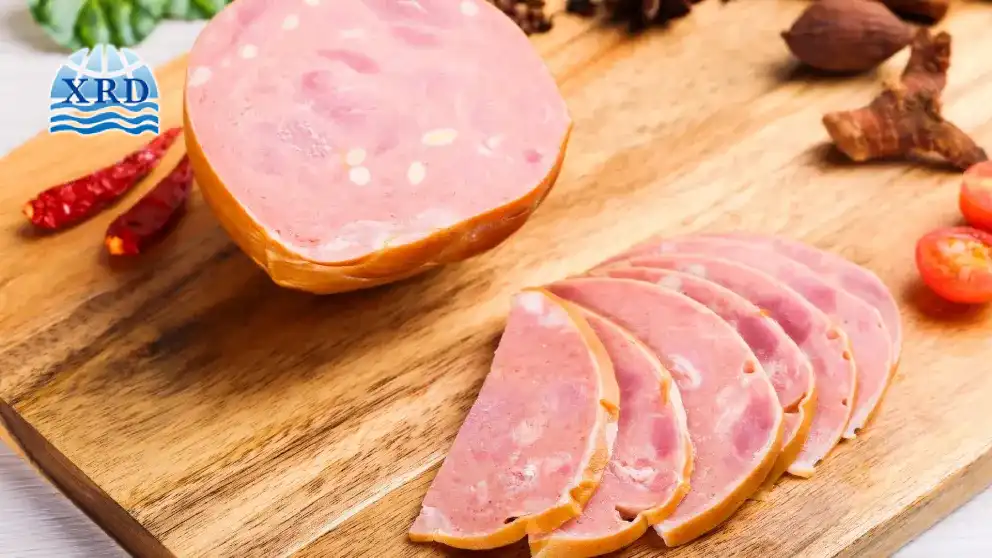
Introduction: The Visual Foundation of Cured Meat Quality
In cured meat products such as ham, bacon, and sausages, stable pink-red color is one of the most important indicators of quality for consumers. Before tasting or smelling a product, buyers often judge freshness, flavor, and processing quality based on its visual appearance. Uneven coloration, grey patches, or fading can immediately signal poor quality—even if the product remains safe to eat.
For centuries, potassium nitrate has played a critical role in meat curing. Traditionally known as saltpeter, it serves two main functions:
- Acting as a color-forming agent that develops the characteristic pink tone in cured meats.
- Providing microbial protection by contributing to the formation of nitrite-based preservatives.
However, modern industrial processors frequently face a frustrating problem: color instability within the same production batch. Some portions of meat develop a vibrant pink color, while others appear dull, greyish, or uneven. This inconsistency is rarely accidental—it usually stems from inefficient or uneven nitrate conversion during processing.
Understanding how potassium nitrate transforms during curing is essential for controlling color stability in large-scale meat production.
The Science Behind Color Formation: The Potassium Nitrate Conversion Pathway
The curing color in meat does not come directly from potassium nitrate itself. Instead, it forms through a three-step biochemical conversion process.
Step 1: Nitrate Reduction to Nitrite
Potassium nitrate (NO₃⁻) must first be converted into nitrite (NO₂⁻). This step occurs through the metabolic activity of nitrate-reducing bacteria, primarily species such as Staphylococcus and Micrococcus. These microorganisms produce nitrate reductase enzymes that enable the conversion.
Without sufficient microbial activity, nitrate remains inactive, preventing proper color development.
Step 2: Nitrite Conversion to Nitric Oxide
Under slightly acidic conditions, nitrite decomposes into nitric oxide (NO). This reactive gas is the key intermediate responsible for cured meat color formation.
The rate of nitric oxide formation depends heavily on pH, temperature, and redox conditions within the meat matrix.
Step 3: Formation of Nitrosomyoglobin
Nitric oxide binds with myoglobin, the natural oxygen-binding pigment in muscle tissue. This reaction forms nitrosomyoglobin, a stable compound responsible for the characteristic pink-red color of cured meats.
During cooking, nitrosomyoglobin further converts into nitrosylhemochrome, which produces the familiar pink color seen in cooked ham and bacon.
Industrial Variables That Influence Conversion Efficiency
In industrial meat processing, the nitrate-to-nitrite conversion pathway is sensitive to several environmental and formulation factors. Small variations can lead to inconsistent color development.
Temperature Control: A Processing Paradox
Temperature plays a dual role in curing:
- Low temperatures suppress undesirable bacteria and maintain product safety.
- Moderate temperatures promote the activity of nitrate-reducing bacteria needed for conversion.
If temperatures remain too low during early curing stages, microbial reduction slows significantly, delaying or preventing color formation.
pH Fluctuations
The natural pH of meat typically ranges from 5.4 to 6.2. This range influences both microbial metabolism and nitrite chemistry.
Lower pH levels accelerate the conversion of nitrite to nitric oxide, improving curing efficiency. Conversely, higher pH conditions can slow nitric oxide formation and lead to weak coloration.
Salt Content and Water Activity
Salt is essential in curing for flavor and microbial control. However, high salt concentrations reduce bacterial metabolic activity, including nitrate reduction.
Similarly, reduced water activity (aw) slows microbial enzymatic processes, which can delay nitrate conversion and create uneven color distribution.
Key Causes of Color Instability in Cured Meats
When the curing chemistry becomes unbalanced, color instability may appear in several forms.
Incomplete Conversion
If nitrate reduction is insufficient, the meat interior may develop grey or brown patches instead of a uniform pink color. This problem often appears in thicker cuts or densely packed products where microbial activity varies.
Oxygen Exposure and Photo-Oxidation
Even after proper curing, exposure to oxygen or light can degrade cured meat pigments. Poor packaging seals or oxygen-permeable materials accelerate pigment oxidation, causing color fading.
Metal Ion Interference
Trace amounts of metal ions such as copper and iron—often originating from water sources or processing equipment—can catalyze pigment degradation reactions. These metals accelerate oxidation and destabilize cured color compounds.
Controlling water quality and equipment corrosion is therefore critical for maintaining stable product appearance.
Precision Control Strategies for Industrial Meat Processors
To achieve consistent curing color in modern production systems, processors rely on several targeted control strategies.
Use of External Reducing Agents
One of the most effective methods is the addition of sodium ascorbate (erythorbate). This compound acts as a reducing agent that:
- Accelerates the conversion of nitrite into nitric oxide
- Enhances rapid color development
- Reduces residual nitrite levels
- Helps minimize the formation of undesirable nitrosamines
As a result, sodium ascorbate significantly improves both color stability and food safety compliance.
Standardized Starter Cultures
Instead of relying on natural microflora, many processors now use commercial starter cultures containing controlled populations of nitrate-reducing bacteria.
Starter cultures provide:
- Consistent nitrate reduction activity
- Faster curing reactions
- Reduced batch-to-batch variability
- Predictable color development
This approach is especially valuable in fermented sausage production.
Multi-Stage Temperature Management
A carefully designed temperature profile helps balance microbial activity and product safety. Industrial curing processes often include:
- Color development stage – Moderate temperature to activate nitrate-reducing bacteria.
- Stabilization stage – Lower temperature storage to preserve pigment stability and inhibit spoilage organisms.
This multi-stage control allows processors to optimize both curing efficiency and shelf life.
Conclusion: Toward Safer and More Stable Curing Processes
Color stability in cured meats is far more than an aesthetic concern. It serves as a visible indicator of proper curing chemistry, fermentation progress, and preservation effectiveness.
Inconsistent coloration often points to underlying issues in potassium nitrate conversion, microbial activity, or process control. By understanding the biochemical pathway—from nitrate to nitrite to nitric oxide—processors can identify and correct the root causes of color instability.
Modern solutions such as starter cultures, reducing agents like sodium ascorbate, and controlled temperature staging allow manufacturers to achieve more predictable curing results.
As global food regulations increasingly restrict residual nitrite levels, the industry must rely on precise control of nitrate conversion efficiency. Optimizing this process ensures safer products, stronger consumer confidence, and consistent visual quality across every production batch.