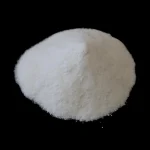
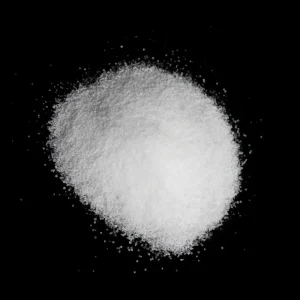
Cationic polyacrylamide (CPAM)
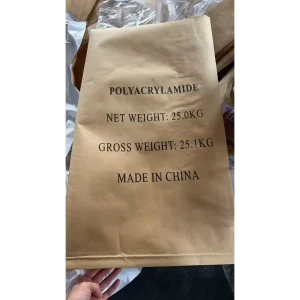
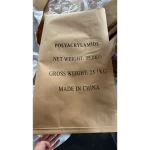
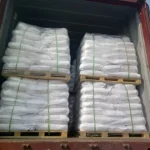
PAM-Packing-25KG
Cationic polyacrylamide (CPAM)
PAM-Packing-25KG
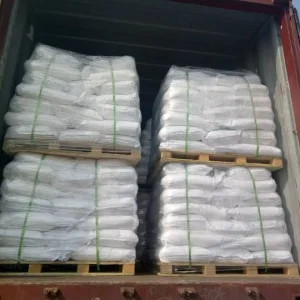
25kg-packing-palletizing
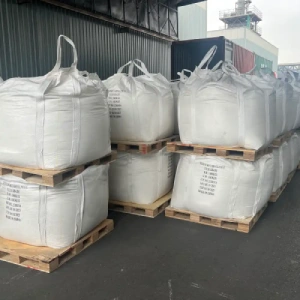
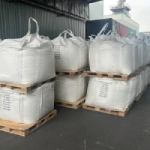
bigbags-packing-palletizing
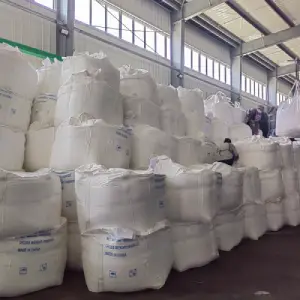
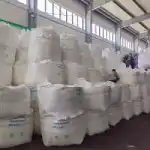
Warehouse

Cationic Polyacrylamide (CPAM) 9003-05-8

Model NO. Cationic polyacrylamide (CPAM)
CAS No. 69418-26-4
Formula (C₃H₅NO)ₙ
Payment L/C, T/T, D/P, D/A, etc.
Production capacity 20000 t/y
Customization Available
Certification CE, RoHS, ISO, SGS, Halal
Will reply within 24h!
Contact Us

$ Request a Quote

Request a Sample

Ask a Question

Request a Document

⚡Quick Reply
Contact Us

Overview

XRD Chemical is a professional Cationic Polyacrylamide (CPAM) manufacturer and supplier in China, offering high-quality positively charged polyacrylamide flocculants for sludge dewatering, paper making, and organic wastewater treatment.

Cationic polyacrylamide is a water-soluble polymer with the formula (C₃H₅NO)ₙ, copolymerized with cationic monomers such as acryloyloxyethyltrimethylammonium chloride (DAC) or methacryloyloxyethyltrimethylammonium chloride (DMC) to introduce quaternary ammonium groups along the polymer chain. These cationic functional groups give the polymer a positive charge in solution, making it highly effective for flocculating negatively charged organic particles, biological sludge, and colloidal matter through charge neutralization and polymer bridging mechanisms.

The primary application of CPAM is in municipal and industrial sludge dewatering, where it aggregates fine organic solids to improve dewatering efficiency in belt presses, centrifuges, and screw presses. In the paper making industry, it serves as a retention and drainage aid, improving fiber retention and water removal on the paper machine. CPAM is also widely used for treating food processing wastewater, textile effluent, and other organic-laden industrial wastewaters. XRD Chemical supplies CPAM in a range of molecular weights and cationicity levels to optimize dewatering performance for specific sludge types.

Why Choose XRD Cationic Polyacrylamide:

• Positively charged polymer — ideal for organic sludge and negatively charged colloids
• Wide range of cationicity (10-60%) and molecular weights available
• Excellent sludge dewatering performance — higher cake solids, lower disposal costs
• Effective retention and drainage aid for paper making
• Also suitable for food processing, textile, and organic wastewater treatment
• Free samples and jar testing support available
• COA and MSDS documents available for download
Details

HS Code 3906.90.90
Synonym CPAM, Polyacrylamide cationic, Cationic flocculant
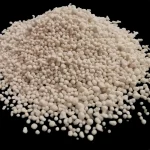
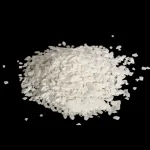
Forms Available White powder, granules, emulsion (liquid form)
Density 0.6-0.8 g/cm³ (powder)
Purity ≥90% active polymer
Molecular Weight 3-15 million Da
Appearance White to off-white powder or viscous liquid
Grades Industrial grade, Drinking water grade, High/low charge density variants, Oilfield grade
Packing Options 25KG, Big bags, Palletizing, Customization

Applications

Water treatmentSludge dewateringPaper IndustryOilfield chemicalsTextile processing

FAQ

Q What is Cationic Polyacrylamide (CPAM)?

Cationic Polyacrylamide (CPAM) is a water-soluble synthetic polymer carrying a positive charge, produced by copolymerizing acrylamide with cationic monomers that introduce quaternary ammonium groups. It is the primary flocculant used for organic sludge dewatering and negatively charged colloidal systems in municipal and industrial wastewater treatment.

Q When should I choose cationic PAM over anionic or nonionic PAM?

Cationic PAM is best suited for treating organic-rich, negatively charged suspensions such as municipal sewage sludge, food processing wastewater, and biological treatment effluent. Anionic PAM is better for mineral tailings and inorganic industrial wastewater. Nonionic PAM is used in acidic or high-ionic-strength conditions. The choice depends on the surface charge of the particles to be flocculated.

Q How is CPAM used in sludge dewatering?

In sludge dewatering, CPAM is dosed into thickened sludge before mechanical dewatering equipment such as belt filter presses, centrifuges, or screw presses. The cationic polymer neutralizes the negative charge on organic particles and bridges them into large, strong flocs that release water readily. This produces higher cake solids content, reduces sludge volume, and lowers transportation and disposal costs.

Q What does cationicity mean and how does it affect CPAM performance?

Cationicity refers to the percentage of cationic monomer units in the polymer chain, typically ranging from 10% to 60%. Higher cationicity polymers have stronger charge neutralization capacity and are generally used for sludge with higher organic content or greater negative surface charge. Lower cationicity polymers provide better bridging performance. The optimal cationicity depends on the specific sludge characteristics and is best determined through jar testing.

Q How should CPAM be prepared and stored?

CPAM powder should be stored in a cool, dry place away from moisture, heat, and direct sunlight. For solution preparation, the powder must be added slowly to agitated water — never the reverse. Typical working solution concentrations are 0.1-0.5%. Solutions should be prepared fresh as they degrade over time. Avoid high-shear pumps and mixing that can break polymer chains. Under proper dry storage conditions, shelf life is 24 months.

Documents

COA-Polyacrylamide-Cationic polyacrylamide (CPAM).pdf

Featured Products

Calcium magnesium acetate - CaMg₂(CH₃COO)₆

Calcium magnesium acetate

Formula: CaMg₂(CH₃COO)₆

CAS No.: 76123-46-1

HS Code: 2915.29.9090

Calcium chloride - CaCl₂

Calcium chloride

Formula: CaCl₂

CAS No.: 10043-52-4

HS Code: 2827.20

Soda ash - Na₂CO₃

Soda ash

Formula: Na₂CO₃

CAS No.: 497-19-8

HS Code: 2836.20

Sodium metabisulfite - Na₂S₂O₅

Sodium metabisulfite

Formula: Na₂S₂O₅

CAS No.: 7681-57-4

HS Code: 2832.10