Citric acid
Citric acid
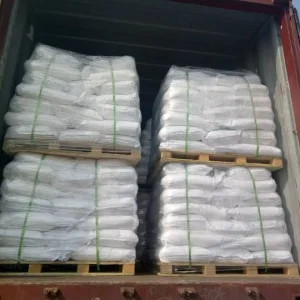
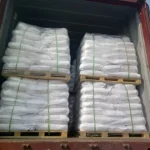
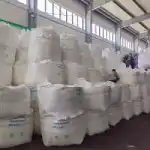
25kg-packing-palletizing
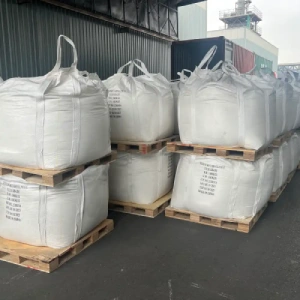
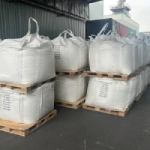
bigbags-packing-palletizing
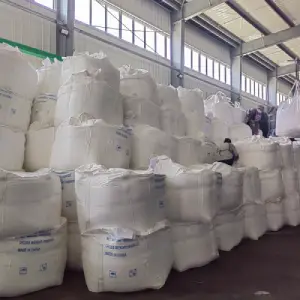
Warehouse

Citric Acid (C₆H₈O₇) 77-92-9

Model NO. Citric acid
CAS No. 77-92-9
Formula C₆H₈O₇
Payment L/C, T/T, D/P, D/A, etc.
Production capacity 20000 t/y
Customization Available
Certification CE, RoHS, ISO, SGS, Halal
Will reply within 24h!
Contact Us

$ Request a Quote

Request a Sample

Ask a Question

Request a Document

⚡Quick Reply
Contact Us

Overview

XRD Chemical is a professional Citric Acid manufacturer and supplier in China, offering high-purity citric acid (99.5% min) in anhydrous and monohydrate forms for food, beverage, pharmaceutical, and industrial applications.

Citric acid is a weak organic tricarboxylic acid with the formula C₆H₈O₇ and a molecular weight of 192.12 g/mol. It occurs naturally in citrus fruits and is produced industrially through fermentation of carbohydrate substrates by Aspergillus niger. It is one of the most widely used organic acids globally due to its non-toxic nature, pleasant sour taste, excellent water solubility, and versatile functionality as an acidulant, pH regulator, chelating agent, and preservative.

The primary application of citric acid is in the food and beverage industry, where it accounts for approximately 70% of global consumption. It provides tartness and sourness in soft drinks, candies, jams, and processed foods while acting as a preservative to extend shelf life. In pharmaceuticals, it is used in effervescent formulations and as a pH adjuster. Additional applications include household cleaning products and detergents where its chelating properties remove hard water scale, industrial water treatment for pH control, cosmetics and personal care products, and as a biodegradable alternative to mineral acids in various industrial processes.

Why Choose XRD Citric Acid:

• 99.5% purity, white crystalline powder, anhydrous and monohydrate available
• Food grade (FCC/USP/BP/EP) and industrial grade options
• Widely used as acidulant, preservative, and pH regulator in food and beverages
• Effective chelating agent for cleaning products and water treatment
• Biodegradable and environmentally friendly
• Also suitable for pharmaceuticals, cosmetics, and industrial applications
• 20,000-ton annual capacity ensures supply stability
• Free samples available for evaluation
• COA and MSDS documents available for download
Details

HS Code 2918.14
Synonym (2-Hydroxy-1,2,3-propanetricarboxylic acid), 3-Carboxy-3-hydroxypentanedioic acid, E330 (food additive code)
Forms Available Anhydrous crystalline powder, Monohydrate crystals, Liquid solutions (50-70% concentration)
Density Anhydrous: 1.665 g/cm³, Monohydrate: 1.54 g/cm³
Purity Food grade: ≥99.5%, USP/Pharma grade: ≥99.8%, Technical grade: 95-98%
Molecular Weight Anhydrous: 192.12 g/mol, Monohydrate: 210.14 g/mol
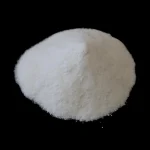
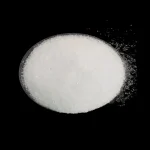
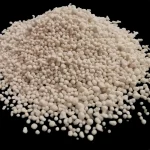
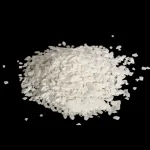
Appearance White crystalline powder, Colorless in solution
Grades Food Grade (FCC, E330), Pharmaceutical Grade (USP/BP/EP), Technical Grade, Reagent Grade (ACS)
Packing Options 25KG, Big bags, Palletizing, Customization

Applications

Food additivePharmaceuticalsCleaning AgentsCosmeticsIndustrial

FAQ

Q What is Citric Acid?

Citric Acid (C₆H₈O₇) is a weak organic tricarboxylic acid that occurs naturally in citrus fruits and is produced industrially through fermentation of carbohydrates by Aspergillus niger. It is a white crystalline powder with a molecular weight of 192.12 g/mol, highly soluble in water, and widely used as an acidulant, preservative, chelating agent, and pH regulator.

Q What is the difference between anhydrous and monohydrate citric acid?

Anhydrous citric acid (C₆H₈O₇) contains no water of crystallization and has approximately 99.5-100% purity. Monohydrate citric acid (C₆H₈O₇·H₂O) contains one water molecule per citric acid molecule and has approximately 99.5% purity on a dry basis but contains about 8.6% water by weight. Anhydrous is preferred for moisture-sensitive formulations. Monohydrate is more commonly used in food and beverage applications and is slightly less expensive.

Q What are the primary food and beverage applications?

Citric acid is used in soft drinks, fruit juices, and energy drinks to provide tartness and sourness. In candies and confectionery, it adds a sharp fruity flavor. In jams, jellies, and preserves, it adjusts pH for proper gelling and acts as a preservative. In dairy products and processed foods, it functions as an emulsifier, antioxidant synergist, and pH regulator. It is the most widely used acidulant in the global food industry.

Q How is citric acid used in cleaning products?

Citric acid is an effective and environmentally friendly cleaning agent. Its chelating properties bind calcium and magnesium ions, dissolving hard water scale and soap scum. It is used in descaling agents for coffee makers and kettles, bathroom cleaners, dishwasher rinse aids, and all-purpose household cleaners. As a biodegradable alternative to phosphates and strong mineral acids, it is increasingly popular in eco-friendly cleaning formulations.

Q What are the industrial applications of citric acid beyond food and cleaning?

Citric acid is used in industrial water treatment for pH control and scale prevention, in oil and gas operations for formation acidizing and iron control, in metal finishing for cleaning and passivation, in electroplating baths as a complexing agent, in textile processing for dye fixation, and in construction materials such as cement retarders and gypsum plaster additives. Its biodegradable nature and non-toxic profile make it an attractive alternative to mineral acids in many industrial processes.

Featured Products

Calcium magnesium acetate - CaMg₂(CH₃COO)₆

Calcium magnesium acetate

Formula: CaMg₂(CH₃COO)₆

CAS No.: 76123-46-1

HS Code: 2915.29.9090

Calcium chloride - CaCl₂

Calcium chloride

Formula: CaCl₂

CAS No.: 10043-52-4

HS Code: 2827.20

Soda ash - Na₂CO₃

Soda ash

Formula: Na₂CO₃

CAS No.: 497-19-8

HS Code: 2836.20

Sodium metabisulfite - Na₂S₂O₅

Sodium metabisulfite

Formula: Na₂S₂O₅

CAS No.: 7681-57-4

HS Code: 2832.10