Polyacrylamide (PAM)
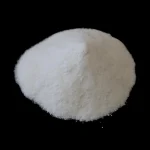
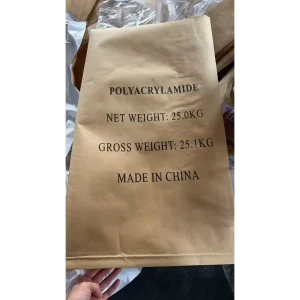
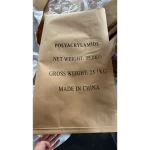
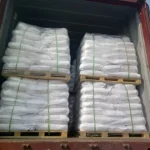
PAM-Packing-25KG
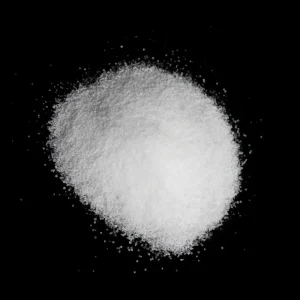
Polyacrylamide (PAM)
PAM-Packing-25KG
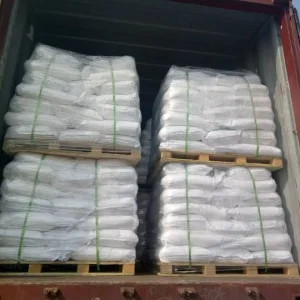
25kg-packing-palletizing
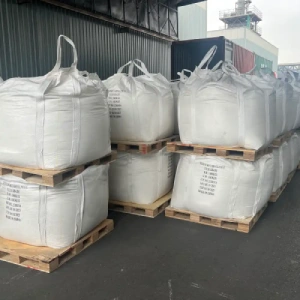
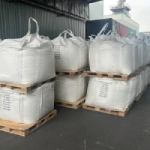
bigbags-packing-palletizing
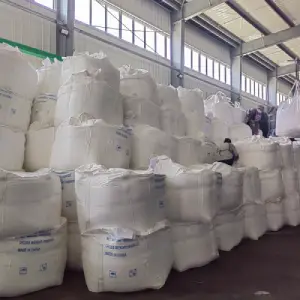
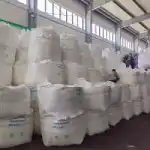
Warehouse

Polyacrylamide (PAM) 9003-05-8

Model NO. Polyacrylamide (PAM)
CAS No. 9003-05-8
Formula (C₃H₅NO)ₙ
Payment L/C, T/T, D/P, D/A, etc.
Production capacity 20000 t/y
Customization Available
Certification CE, RoHS, ISO, SGS, Halal
Will reply within 24h!
Contact Us

$ Request a Quote

Request a Sample

Ask a Question

Request a Document

⚡Quick Reply
Contact Us

Overview

XRD Chemical is a professional Polyacrylamide (PAM) manufacturer and supplier in China, offering a complete range of anionic, cationic, and nonionic polyacrylamide flocculants for water treatment, mining, oil recovery, and industrial applications.

Polyacrylamide is a water-soluble synthetic polymer with the formula (C₃H₅NO)ₙ, produced by the polymerization of acrylamide monomers . It is one of the most widely used synthetic flocculants globally due to its ability to adsorb onto suspended particles and form large, fast-settling aggregates. Polyacrylamide can be produced in various molecular weights, charge densities, and ionic types to suit specific application requirements.

The primary application of polyacrylamide is in water and wastewater treatment, where it acts as a flocculant to remove suspended solids, organic matter, and color from municipal drinking water, industrial process water, and wastewater streams . In the mining industry, it is essential for tailings dewatering and mineral processing . Additional applications include enhanced oil recovery (EOR), paper making as a retention and drainage aid, soil erosion control in agriculture, and sludge dewatering in municipal and industrial treatment plants. XRD Chemical supplies PAM in anionic (APAM), cationic (CPAM), and nonionic (NPAM) forms with custom molecular weights and charge densities to optimize performance.

Why Choose XRD Polyacrylamide:

• Complete product range: anionic (APAM), cationic (CPAM), and nonionic (NPAM)
• Wide range of molecular weights and charge densities available
• Highly effective flocculant for water treatment, mining, and sludge dewatering
• Also suitable for oil recovery, paper making, and soil erosion control
• Customized grades for specific water chemistry and solids loading
• Free samples and jar testing support available for dose optimization
• COA and MSDS documents available for download
Details

HS Code 3906.90
Synonym PAM, Poly(2-propenamide), Acrylamide polymer, Polyacrylic amide
Forms Available Powder (white, free-flowing),Liquid (aqueous solution or emulsion),Gel (for specific applications),
Density ~1.30 g/cm³ (for solid PAM)
Purity Typically ≥90%
Molecular Weight 10,000 to >20 million g/mol, depending on polymerization degree
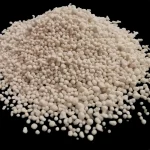
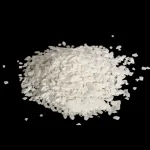
Appearance White crystalline powder (solid form), Clear to milky viscous liquid (solution form)
Grades Non-ionic (PAM-N) – Neutral charge, Anionic (PAM-A) – Contains carboxylate groups (–COO⁻), Cationic (PAM-C) – Contains quaternary ammonium groups (+ charge), Technical grade (industrial applications), High-purity grade (for sensitive uses like drinking water),
Packing Options 25KG, Big bags, Palletizing, Customization

Applications

Water treatmentMiningOil & gasPaper Industry

FAQ

Q What is Polyacrylamide (PAM)?

Polyacrylamide (PAM) is a water-soluble synthetic polymer with the formula (C₃H₅NO)ₙ. It is produced by polymerization of acrylamide monomers and is one of the most widely used flocculants globally. It is available in anionic, cationic, and nonionic forms with varying molecular weights and charge densities to suit different applications.

Q What is the difference between anionic, cationic, and nonionic polyacrylamide?

Anionic polyacrylamide (APAM) carries a negative charge and is used for treating positively charged suspensions, such as mineral tailings and alkaline wastewater. Cationic polyacrylamide (CPAM) carries a positive charge and is most effective for organic sludge dewatering and negatively charged colloids. Nonionic polyacrylamide (NPAM) has no ionic charge and works well in acidic conditions or where ionic interference is a concern. The choice depends on the specific water chemistry and solids characteristics.

Q How is polyacrylamide used in water treatment?

In water treatment, polyacrylamide is used as a flocculant to aggregate suspended particles into larger flocs that can be removed by sedimentation, flotation, or filtration. It is typically dosed after coagulation with aluminum or iron salts. PAM significantly improves the settling rate and effluent clarity while reducing coagulant dosage requirements.

Q How is polyacrylamide used in mining?

In mining, polyacrylamide is essential for tailings dewatering and mineral processing. It flocculates fine mineral particles in tailings slurry, allowing water to be recovered and recycled while producing dense, stackable solids for disposal. It is also used in coal washing, bauxite processing, and other mineral beneficiation processes. Anionic PAM is the most commonly used type in mining applications.

Q How should polyacrylamide be stored and prepared?

Polyacrylamide should be stored in a cool, dry place away from moisture, heat, and direct sunlight. It is hygroscopic and will absorb moisture, causing lumping and reduced solubility. When preparing solutions, PAM powder should be added slowly to agitated water at room temperature. Typical solution concentrations are 0.05-0.5%. Solutions have a limited shelf life due to potential biodegradation and viscosity loss. Always prepare fresh solutions for best results. Under proper dry storage conditions, powder shelf life is 24 months.

Documents

COA-Polyacrylamide-Anionic polyacrylamide (APAM).pdf
COA-Polyacrylamide-Cationic polyacrylamide (CPAM).pdf
COA-Polyacrylamide-Nonionic polyacrylamide (NPAM).pdf
MSDS-Polyacrylamide.pdf

Featured Products

Calcium magnesium acetate - CaMg₂(CH₃COO)₆

Calcium magnesium acetate

Formula: CaMg₂(CH₃COO)₆

CAS No.: 76123-46-1

HS Code: 2915.29.9090

Calcium chloride - CaCl₂

Calcium chloride

Formula: CaCl₂

CAS No.: 10043-52-4

HS Code: 2827.20

Soda ash - Na₂CO₃

Soda ash

Formula: Na₂CO₃

CAS No.: 497-19-8

HS Code: 2836.20

Sodium metabisulfite - Na₂S₂O₅

Sodium metabisulfite

Formula: Na₂S₂O₅

CAS No.: 7681-57-4

HS Code: 2832.10