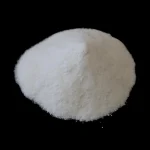
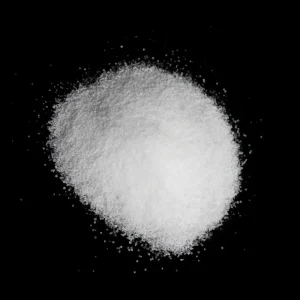
Nonionic polyacrylamide (NPAM)
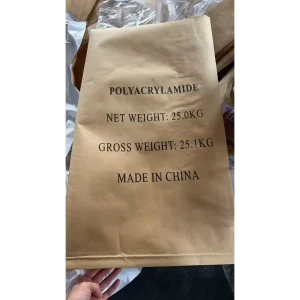
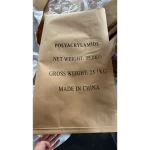
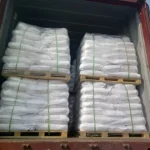
PAM-Packing-25KG
Nonionic polyacrylamide (NPAM)
PAM-Packing-25KG
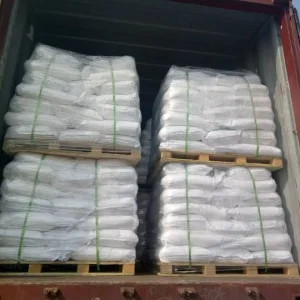
25kg-packing-palletizing
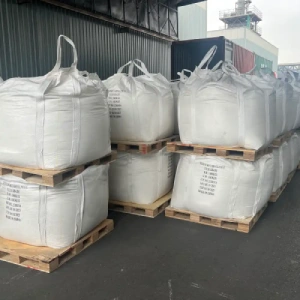
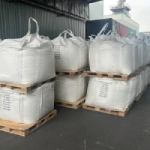
bigbags-packing-palletizing
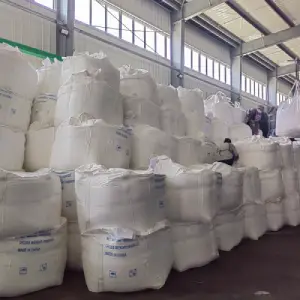
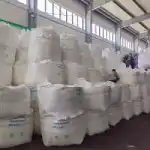
Warehouse

Nonionic Polyacrylamide (NPAM) 9003-05-8

Model NO. Nonionic polyacrylamide (NPAM)
CAS No. 9003-05-8
Formula (C₃H₅NO)ₙ
Payment L/C, T/T, D/P, D/A, etc.
Production capacity 20000 t/y
Customization Available
Certification CE, RoHS, ISO, SGS, Halal
Will reply within 24h!
Contact Us

$ Request a Quote

Request a Sample

Ask a Question

Request a Document

⚡Quick Reply
Contact Us

Overview

XRD Chemical is a professional Nonionic Polyacrylamide (NPAM) manufacturer and supplier in China, offering high-quality neutral charge polyacrylamide flocculants for acidic wastewater, mining, textile, and industrial applications.

Nonionic polyacrylamide is a water-soluble synthetic polymer with the formula (C₃H₅NO)ₙ, produced by the polymerization of acrylamide monomer without introducing charged functional groups. The polymer chain contains polar amide groups that can form hydrogen bonds with suspended particles, enabling flocculation through a bridging mechanism rather than charge neutralization. This makes NPAM effective under conditions where ionic flocculants may be less effective, such as in highly acidic environments or waters with high dissolved salt content.

The primary application of NPAM is in treating acidic industrial wastewater, such as from metal pickling, electroplating, and mining operations, where the neutral polymer maintains its performance at low pH. It is also widely used in mineral processing for selective flocculation, in textile and dyeing wastewater treatment, and as a processing aid in paper making. NPAM is the preferred choice when dissolved salts or extreme pH conditions would interfere with the charge-based mechanism of anionic or cationic polyacrylamides.

Why Choose XRD Nonionic Polyacrylamide:

• Neutral charge — effective in acidic, alkaline, and high-salt conditions
• Flocculation by bridging mechanism — independent of particle surface charge
• High molecular weight for strong floc formation
• Ideal for acidic industrial wastewater (metal pickling, electroplating, mining)
• Also suitable for textile effluent, mineral processing, and paper making
• Free samples and jar testing support available
• COA and MSDS documents available for download
Details

HS Code 3906.90.90
Synonym NPAM, Polyacrylamide nonionic, PAM
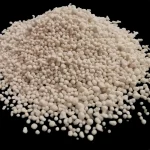
Forms Available White powder, granules, aqueous solution
Density 0.6-0.8 g/cm³ (powder)
Purity ≥90% active polymer content
Molecular Weight 1-20 million Da
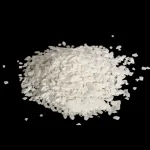
Appearance White to off-white free-flowing powder
Grades Industrial grade, Oilfield grade, High molecular weight grade, Food contact grade
Packing Options 25KG, Big bags, Palletizing, Customization

Applications

Water treatmentMiningPaper IndustryEnhanced oil recoverySoil stabilization

FAQ

Q What is Nonionic Polyacrylamide (NPAM)?

Nonionic Polyacrylamide (NPAM) is a water-soluble synthetic polymer with the formula (C₃H₅NO)ₙ, produced by polymerizing acrylamide monomer without adding charged functional groups. It carries a neutral charge and flocculates suspended particles through a bridging mechanism rather than charge neutralization, making it effective across a wide range of pH and ionic strength conditions.

Q When should I choose nonionic PAM over anionic or cationic PAM?

Nonionic PAM is the best choice for acidic wastewater (low pH), high-salinity industrial effluents, and applications where dissolved ions would interfere with the charge-based flocculation of anionic or cationic PAM. Anionic PAM is better for alkaline mineral tailings, while cationic PAM is best for organic sludge dewatering. NPAM is also used in selective flocculation where charge neutrality is important to avoid flocculating unwanted minerals.

Q How does NPAM work without charged functional groups?

NPAM flocculates particles through a bridging mechanism. The long polymer chains contain polar amide groups that form hydrogen bonds with suspended particle surfaces. One polymer chain can attach to multiple particles simultaneously, bridging them together into large flocs. This mechanism works independently of particle surface charge, making NPAM effective where charge-based flocculants fail.

Q What are the primary applications of NPAM?

NPAM is primarily used in acidic industrial wastewater treatment from metal pickling, electroplating, and mining operations where low pH would compromise the performance of ionic flocculants. It is also used in mineral processing for selective flocculation, in textile and dyeing wastewater treatment, in paper making as a retention aid, and in high-salinity industrial effluents where dissolved salts interfere with charge-based flocculation.

Q How should NPAM be prepared and stored?

NPAM powder should be stored in a cool, dry place away from moisture, heat, and direct sunlight. For solution preparation, the powder must be added slowly to agitated water at room temperature. NPAM dissolves more slowly than ionic PAM grades due to the absence of charged groups. Typical working solution concentrations are 0.05-0.3%. Solutions should be prepared fresh as they degrade over time. Avoid vigorous, high-shear mixing that can break polymer chains. Under proper dry storage, shelf life is 24 months.

Documents

COA-Polyacrylamide-Nonionic polyacrylamide (NPAM).pdf

Featured Products

Calcium magnesium acetate - CaMg₂(CH₃COO)₆

Calcium magnesium acetate

Formula: CaMg₂(CH₃COO)₆

CAS No.: 76123-46-1

HS Code: 2915.29.9090

Calcium chloride - CaCl₂

Calcium chloride

Formula: CaCl₂

CAS No.: 10043-52-4

HS Code: 2827.20

Soda ash - Na₂CO₃

Soda ash

Formula: Na₂CO₃

CAS No.: 497-19-8

HS Code: 2836.20

Sodium metabisulfite - Na₂S₂O₅

Sodium metabisulfite

Formula: Na₂S₂O₅

CAS No.: 7681-57-4

HS Code: 2832.10