
Magnesium oxide
Magnesium oxide
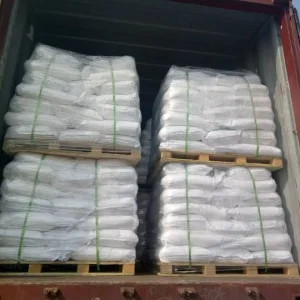
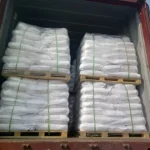
25kg-packing-palletizing
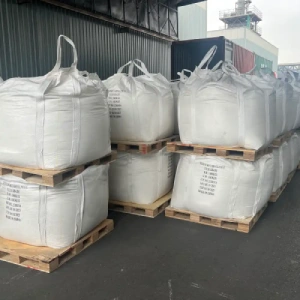
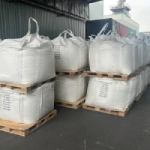
bigbags-packing-palletizing
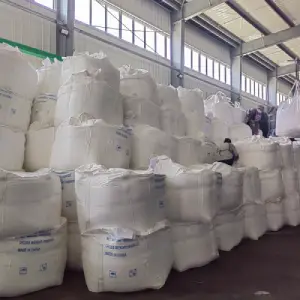
Warehouse

Magnesium Oxide (MgO) 1309-48-4

Model NO. Magnesium oxide
CAS No. 1309-48-4
Formula MgO
Payment L/C, T/T, D/P, D/A, etc.
Production capacity 20000 t/y
Customization Available
Certification CE, RoHS, ISO, SGS, Halal
Will reply within 24h!
Contact Us

$ Request a Quote

Request a Sample

Ask a Question

Request a Document

⚡Quick Reply
Contact Us

Overview

XRD Chemical is a professional Magnesium Oxide manufacturer and supplier in China, offering high-purity magnesium oxide (MgO) in multiple grades for animal feed, fertilizer, refractory, and industrial applications.

Magnesium oxide is a white, hygroscopic solid with the formula MgO and a molecular weight of 40.30 g/mol. It is produced primarily by calcining magnesium carbonate (magnesite) or magnesium hydroxide at high temperatures. It has an extremely high melting point of approximately 2,800°C and excellent thermal stability, making it a key material for high-temperature applications. Different calcination temperatures produce different grades: light-burned (caustic calcined) magnesia at 700-1,000°C with higher reactivity and surface area, and dead-burned magnesia at 1,500-2,000°C with lower reactivity but higher density for refractory applications.

The primary applications of magnesium oxide span multiple industries. In animal feed, it provides bioavailable magnesium for livestock nutrition. In agriculture, it serves as a magnesium fertilizer to correct soil deficiencies. In the refractory industry, dead-burned magnesia is essential for manufacturing basic refractories used in steel-making furnaces, cement kilns, and glass tanks. Additional applications include flue gas desulfurization, wastewater neutralization, pulp and paper processing, and as a raw material for producing other magnesium compounds such as magnesium chloride and magnesium sulfate.

Why Choose XRD Magnesium Oxide:

• 90-95% MgO purity, light-burned and dead-burned grades available
• Feed grade for livestock magnesium supplementation
• Fertilizer grade for correcting soil magnesium deficiency
• Dead-burned grade with high density for refractory applications
• Extremely high melting point (2,800°C) — excellent thermal stability
• Also suitable for flue gas treatment, wastewater neutralization, and pulp processing
• Free samples available for evaluation
• COA and MSDS documents available for download
Details

HS Code 2816.00
Synonym Magnesium oxide, Magnesia, Calcined magnesia, Dead burned magnesia, Fused magnesia, Periclase
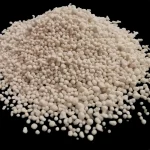
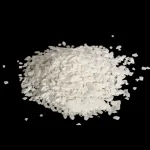
Forms Available Powder (light, heavy), Pellets, Flakes
Density 3.58 g/cm³
Purity 70%–85% (Agricultural and Feed Grade), 90%–95% (Industrial Grade), 98%–99% (Activated Magnesium Oxide, Refractory Grade), ≥ 99% (High Purity and Electronic Grade)
Molecular Weight 40.30 g/mol
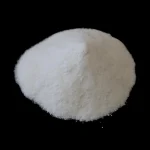
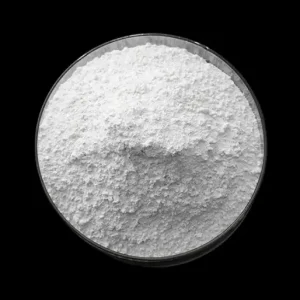
Appearance White powder
Grades Industrial Grade, Refractory Grade, Agricultural Grad, Food / Feed Grade, Pharmaceutical Grade, High Purity / Electronic Grade
Packing Options 25KG, Big bags, Palletizing, Customization

Applications

RefractoriesCeramics & GlassAgriculture & FertilizerFeed SupplementsPharmaceuticals & FoodWater TreatmentRubber & Plastics

FAQ

Q What is Magnesium Oxide?

Magnesium Oxide (MgO) is a white, hygroscopic solid with a molecular weight of 40.30 g/mol. It is produced by calcining magnesium carbonate or magnesium hydroxide at high temperatures and has an extremely high melting point of approximately 2,800°C. Different calcination temperatures produce light-burned magnesia with higher reactivity or dead-burned magnesia with higher density for refractory use.

Q What is the difference between light-burned and dead-burned magnesium oxide?

Light-burned (caustic calcined) magnesia is produced at 700-1,000°C and has higher surface area and reactivity. It is used in animal feed, fertilizers, and chemical processes where reactivity is needed. Dead-burned magnesia is produced at 1,500-2,000°C and has lower reactivity but much higher density and thermal stability. It is used primarily in refractory bricks and linings for high-temperature furnaces. The two grades serve completely different markets.

Q How is magnesium oxide used in animal feed?

Magnesium oxide is a widely used source of magnesium in animal feed. It has a higher magnesium content than magnesium sulfate or magnesium carbonate, making it efficient for supplementation. It helps prevent grass tetany (hypomagnesemia) in grazing cattle, supports bone development and enzyme function in poultry, and is used in mineral premixes for swine and other livestock. Feed-grade magnesium oxide is produced with controlled particle size and bioavailability.

Q How is magnesium oxide used as a fertilizer?

Magnesium oxide is an effective magnesium fertilizer for correcting soil magnesium deficiency, which causes interveinal yellowing in crops and reduced photosynthesis. It has higher magnesium content than magnesium sulfate and provides a slower, more sustained release of magnesium in the soil. It is particularly useful in acidic soils where it also provides a liming effect. It is commonly used for magnesium-demanding crops such as oil palm, citrus, potatoes, and tobacco.

Q What are the refractory applications of magnesium oxide?

Dead-burned magnesium oxide is a critical raw material for manufacturing basic refractory bricks and monolithic refractories that line steel-making electric arc furnaces, basic oxygen furnaces, ladles, cement rotary kilns, and glass melting tanks. The extremely high melting point, chemical basicity, and resistance to slag corrosion make magnesia-based refractories indispensable for containing high-temperature, chemically aggressive industrial processes.

Featured Products

Calcium magnesium acetate - CaMg₂(CH₃COO)₆

Calcium magnesium acetate

Formula: CaMg₂(CH₃COO)₆

CAS No.: 76123-46-1

HS Code: 2915.29.9090

Calcium chloride - CaCl₂

Calcium chloride

Formula: CaCl₂

CAS No.: 10043-52-4

HS Code: 2827.20

Soda ash - Na₂CO₃

Soda ash

Formula: Na₂CO₃

CAS No.: 497-19-8

HS Code: 2836.20

Sodium metabisulfite - Na₂S₂O₅

Sodium metabisulfite

Formula: Na₂S₂O₅

CAS No.: 7681-57-4

HS Code: 2832.10