Polyaluminum chloride (PAC)
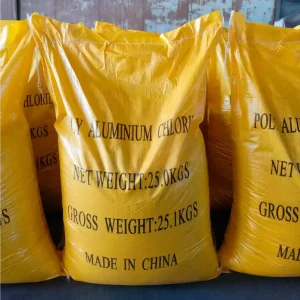
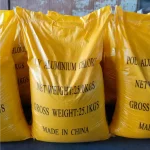
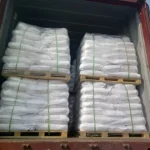
Polyaluminum chloride-Packing-25KG
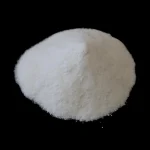
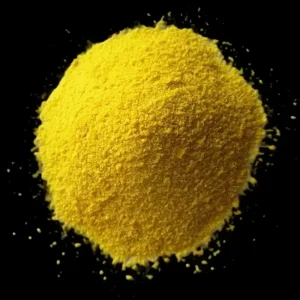
Polyaluminum chloride (PAC)
Polyaluminum chloride-Packing-25KG
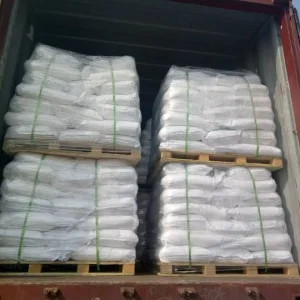
25kg-packing-palletizing
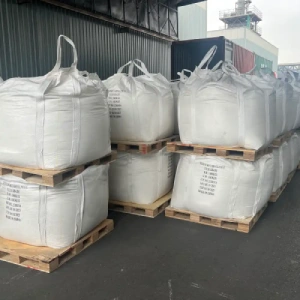
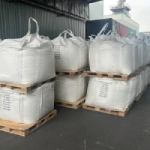
bigbags-packing-palletizing
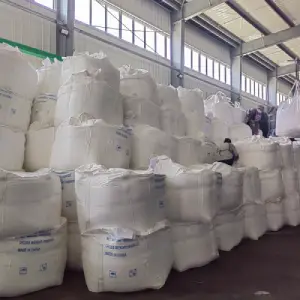
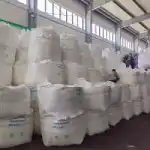
Warehouse

Polyaluminum Chloride (PAC) 1327-41-9

Model NO. Polyaluminum chloride (PAC)
CAS No. 1327-41-9
Formula Alₙ(OH)ₘCl₃ₙ₋ₘ
Payment L/C, T/T, D/P, D/A, etc.
Production capacity 20000 t/y
Customization Available
Certification CE, RoHS, ISO, SGS, Halal
Will reply within 24h!
Contact Us

$ Request a Quote

Request a Sample

Ask a Question

Request a Document

⚡Quick Reply
Contact Us

Overview

XRD Chemical is a professional Polyaluminum Chloride (PAC) manufacturer and supplier in China, offering high-quality PAC in powder and liquid forms for water treatment, wastewater purification, and industrial applications.

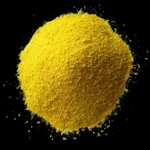
Polyaluminum chloride, also known as polyaluminium chloride, aluminium hydroxy chloride, or basic aluminium chloride, is an inorganic polymeric coagulant. It is an intermediate hydrolysis product between aluminium trichloride and aluminium hydroxide. PAC appears as a yellow to light amber powder in solid form, or a colorless to pale yellow liquid in solution form .

PAC is widely used as a primary coagulant in drinking water purification and municipal wastewater treatment. It is effective over a wider pH range than traditional aluminium sulfate (alum), requires lower doses, produces more robust flocs with faster settling rates, and needs less alkalinity adjustment. Beyond water treatment, PAC is also used in paper making as a sizing agent, in textile dyeing for decontamination, in precision casting, and in cosmetic manufacturing.

Why Choose XRD Polyaluminum Chloride:

• 26-30% Al₂O₃ content, powder and liquid forms available
• High basicity (40-90%) — less alkalinity consumption, minimal pH adjustment
• Effective over wide pH range (5-9), outperforms alum on turbidity and color removal
• Dense, fast-settling flocs — shorter settling time, higher throughput
• Low dosage requirement — reduces treatment costs vs. conventional coagulants
• Free samples and jar testing support available
• COA and MSDS documents available for download
Details

HS Code 3824.99
Synonym PAC, Polyaluminium chloride, Aluminum chlorohydrate (ACH), Basic aluminum chloride
Forms Available Liquid (aqueous solution, 10–30% Al₂O₃ content), Solid (powder or granules)
Density Liquid: ~1.15–1.35 g/cm³ (varies with concentration), Solid: ~0.7–0.9 g/cm³ (powder)
Purity Industrial grade: 28–31% Al₂O₃, Drinking water grade: ≥30% Al₂O₃(low heavy metals)
Molecular Weight Varies by polymerization (e.g., ~174.45 g/mol for Al₂Cl(OH)₅)
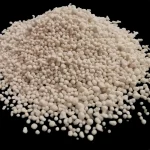
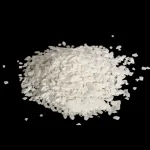
Appearance Liquid: Colorless to yellow/brown viscous solution, Solid: Yellowish-white powder or granules
Grades Drinking water grade (high purity, low impurities), Industrial grade (standard coagulation), Cosmetic grade (ultra-pure, e.g., aluminum chlorohydrate)
Packing Options 25KG, Big bags, Palletizing, Customization

Applications

Water treatmentPaper industryOil and gasMiningTextilesCosmetics

FAQ

Q What is Polyaluminum Chloride (PAC)?

Polyaluminum Chloride (PAC) is an inorganic polymeric coagulant, an intermediate hydrolysis product between aluminium trichloride and aluminium hydroxide. It appears as a yellow powder or pale yellow liquid and is the most widely used coagulant after alum in drinking water and wastewater treatment due to its high efficiency and wide pH tolerance.

Q What is the difference between PAC and alum (aluminium sulfate)?

PAC is pre-hydrolyzed with polynuclear aluminium species already formed before dosing. Compared to alum, PAC works over a wider pH range, requires lower dosage for equivalent turbidity removal, produces denser flocs that settle faster, consumes less alkalinity, and performs better in cold water and low-turbidity conditions.

Q What are the primary applications of PAC?

PAC is primarily used as a coagulant for drinking water purification and municipal wastewater treatment to remove turbidity, color, organic matter, and heavy metals. It is also widely used in industrial wastewater treatment (textile, paper making, food processing, mining, oil refining), as a sizing agent in paper production, for sludge dewatering, and in precision casting.

Q What does PAC basicity mean and which basicity should I choose?

Basicity refers to the degree of hydroxylation of the aluminium in PAC, expressed as a percentage of OH⁻ to aluminium ions. Higher basicity PACs (70-90%) are more pre-hydrolyzed, more stable, and need less alkalinity from source water. Lower basicity PACs (40-60%) have higher charge density and may perform better on certain waters. XRD Chemical can recommend the optimal basicity based on jar testing with your specific water source.

Q How does PAC perform compared to other coagulants?

PAC outperforms traditional coagulants in several ways. It achieves 20-50% lower dosage than alum for equivalent turbidity removal, produces larger and denser flocs with settling rates up to 3 times faster, works effectively over a wider pH range (5-9), maintains good performance in cold water where alum effectiveness drops, and requires less pH correction due to lower alkalinity consumption.

Documents

COA-Polyaluminum chlorides-PAC-26%-Industrial.pdf
COA-Polyaluminum chlorides-PAC-28%-Industrial.pdf
COA-Polyaluminum chlorides-PAC-29%-solids (yellow drinking water).pdf
COA-Polyaluminum chlorides-PAC-30%-solids (white drinking water).pdf
MSDS-Polyaluminum chlorides-PAC-26%.pdf
MSDS-Polyaluminum chlorides-PAC-28%.pdf

Featured Products

Calcium magnesium acetate - CaMg₂(CH₃COO)₆

Calcium magnesium acetate

Formula: CaMg₂(CH₃COO)₆

CAS No.: 76123-46-1

HS Code: 2915.29.9090

Calcium chloride - CaCl₂

Calcium chloride

Formula: CaCl₂

CAS No.: 10043-52-4

HS Code: 2827.20

Soda ash - Na₂CO₃

Soda ash

Formula: Na₂CO₃

CAS No.: 497-19-8

HS Code: 2836.20

Sodium metabisulfite - Na₂S₂O₅

Sodium metabisulfite

Formula: Na₂S₂O₅

CAS No.: 7681-57-4

HS Code: 2832.10