
The Growing Cost of Winter Maintenance
Winter maintenance has always been a balancing act. Roads, bridges, airport runways, and municipal facilities must remain safe and operational, even during extreme weather events. At the same time, asset owners face rising pressure to extend infrastructure life, control maintenance budgets, and meet increasingly strict environmental standards.
Traditional chloride-based deicers have long delivered fast ice-melting performance. But their hidden costs—accelerated corrosion, concrete deterioration, environmental runoff, and downstream maintenance—are becoming harder to ignore. As infrastructure ages and replacement cycles stretch longer, the focus is shifting from short-term effectiveness to long-term system protection.
This is where Calcium Magnesium Acetate (CMA) is gaining renewed attention.
Understanding the Limitations of Conventional Deicers
Chloride-based deicing salts are effective, widely available, and relatively low in upfront cost. However, their long-term impact often extends well beyond a single winter season.
Common challenges associated with chloride deicers include:
- Accelerated corrosion of steel bridges, rebar, guardrails, and vehicles
- Concrete scaling and spalling, especially on treated pavements and airport aprons
- Increased maintenance cycles for drainage systems and surrounding infrastructure
- Environmental stress on soil, vegetation, and surface waters
While these effects may not be immediately visible, they accumulate over time—driving higher lifecycle costs and unplanned capital expenditures.
For critical infrastructure where durability and safety are non-negotiable, the question is no longer just how fast ice melts, but what that solution does to the system over years of exposure.
What Makes Calcium Magnesium Acetate Different
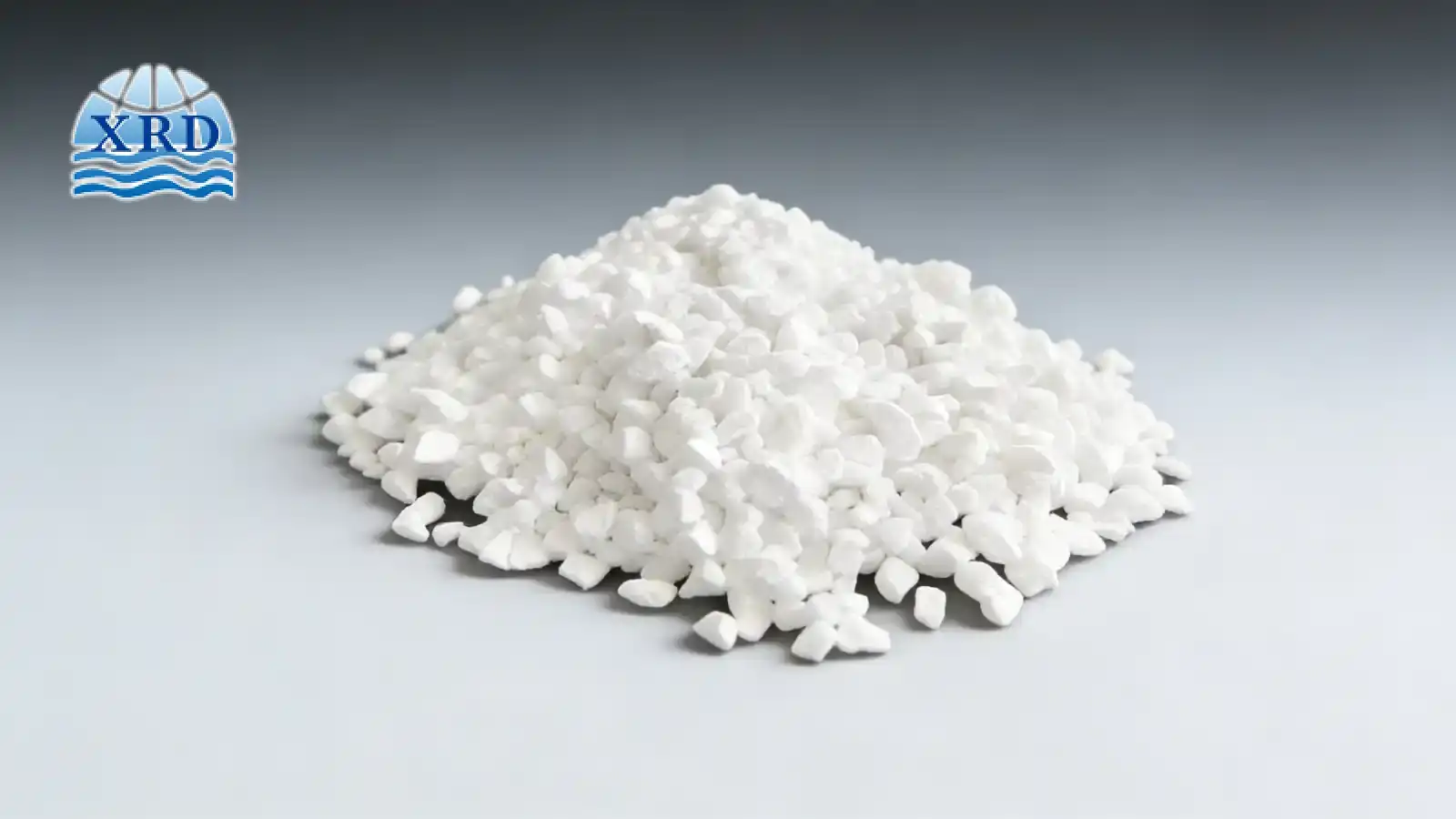
Calcium Magnesium Acetate is a non-chloride deicing agent produced from acetic acid and dolomitic limestone. Its chemical behavior differs fundamentally from traditional salts, particularly in how it interacts with metals, concrete, and the environment.
Rather than focusing solely on melting speed, CMA supports a broader risk-management strategy for winter operations.
Key characteristics include:
- Low corrosivity toward steel, aluminum, and reinforced concrete
- Reduced impact on concrete integrity, helping preserve pavement surfaces
- Lower environmental loading, especially in sensitive watersheds
- Predictable performance in controlled application scenarios
These properties make CMA especially relevant where infrastructure longevity and regulatory compliance are long-term priorities.
Where CMA Delivers the Most Value
CMA is not positioned as a universal replacement for all deicers. Instead, its value is most apparent in environments where corrosion risk and asset protection outweigh the need for rapid, low-cost ice removal.
Common application contexts include:
1. Airports and Aviation Facilities
Runways, taxiways, and aircraft-support systems are highly sensitive to corrosion. CMA helps protect aluminum alloys, braking systems, and reinforced concrete surfaces while maintaining operational safety.
2. Bridges and Elevated Structures
Steel-intensive structures experience accelerated degradation when exposed to chlorides. Using CMA in targeted zones can significantly reduce corrosion-related maintenance.
3. Urban and Municipal Infrastructure
In dense urban areas, runoff management and environmental impact are major concerns. CMA supports safer winter maintenance near waterways, parks, and pedestrian zones.
4. Environmentally Sensitive Areas
Regions with protected ecosystems or strict discharge requirements often require non-chloride alternatives to limit long-term ecological impact.
In each of these cases, the decision is less about immediate melting performance and more about system-level protection.
Why Corrosion Control Changes the Economics
The true cost of winter maintenance is rarely reflected in deicer pricing alone. Corrosion-related damage often shows up later—in bridge rehabilitation projects, pavement repairs, vehicle fleet maintenance, and premature asset replacement.
By reducing corrosive exposure, CMA contributes to:
- Extended service life of structural assets
- Lower frequency of major repairs
- Improved predictability in maintenance planning
- Reduced long-term capital expenditure
From an operational perspective, this shifts winter maintenance from a reactive expense to a controlled investment in asset preservation.
Environmental and Regulatory Considerations
Beyond infrastructure protection, regulatory pressure is also influencing deicer selection. Chloride contamination in surface and groundwater is increasingly monitored, and compliance thresholds are tightening in many regions.
CMA's biodegradable acetate-based chemistry helps limit chloride loading and supports:
- Improved compliance with environmental discharge standards
- Reduced long-term soil and vegetation damage
- Lower cumulative impact on surrounding ecosystems
For organizations with sustainability commitments or ESG reporting obligations, these factors are becoming central to procurement decisions.
Selecting the Right Deicing Strategy
Effective winter maintenance is rarely about a single product. It involves aligning deicing chemistry with:
- Infrastructure type and material composition
- Environmental sensitivity of the surrounding area
- Operational priorities and safety requirements
- Long-term maintenance and replacement planning
In many cases, CMA is integrated as part of a blended or targeted deicing strategy, used selectively where corrosion risk is highest and lifecycle protection delivers the greatest return.
A Long-Term View on Winter Operations
As infrastructure systems age and budgets tighten, the focus is shifting from short-term fixes to long-term resilience. Deicing decisions made today can influence maintenance costs, environmental impact, and asset performance for decades.
Calcium Magnesium Acetate plays a strategic role in this transition—supporting safer winter operations while helping protect the infrastructure that communities and industries rely on year-round.
The value of CMA is not measured only by how it performs during a snow event, but by how well it supports durability, sustainability, and operational stability over time.