
In the realm of global infrastructure development, maintaining the integrity of unpaved surfaces remains a significant challenge for engineers. Unpaved road stabilization is critical not only for safety but also for the longevity of the project. Magnesium Chloride (MgCl₂) has emerged as a premier chemical solution, functioning as both a high-performance dust suppressant and a soil binder.
By leveraging its natural properties, construction firms can transform loose aggregates into a durable, hard-packed surface capable of withstanding heavy machinery and extreme weather conditions. This is particularly vital for haul roads, access tracks, and remote construction sites where traditional paving is not cost-effective.
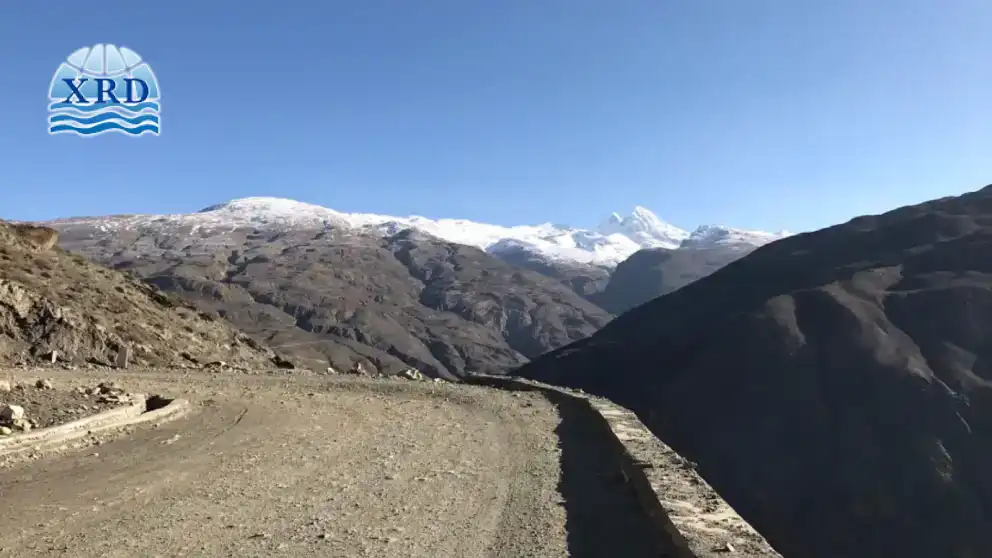
Understanding the Hygroscopic Binding Process
The effectiveness of this compound lies in its unique chemical behavior. As a hygroscopic road stabilizer, Magnesium Chloride actively absorbs moisture from the surrounding air, even in low-humidity conditions. This constant moisture retention allows the fine particles in the soil to stay damp, increasing the surface tension and cohesion between larger aggregates.
When applied correctly, it creates a "brine film" that encapsulates soil particles, preventing them from being displaced by wind or vehicular traffic. This process provides several key physical advantages:
- Moisture Retention: Maintains a consistent level of humidity within the road base.
- Particle Encapsulation: Coats individual grains of sand and clay to prevent erosion.
- Structural Cohesion: Bonds fines and aggregates into a dense, interlocking matrix.
- Surface Tension: Creates a suction-like effect that holds the road crown together.
Quantifiable Economic and Performance Benefits
For procurement managers in the construction industry, the economic benefits of using industrial grade Magnesium Chloride are quantifiable. Beyond the immediate improvement in air quality, the chemical integration reduces the need for constant mechanical maintenance and material replacement.
The following table illustrates the typical performance improvements and resource savings associated with its application:
| Performance Metric | Without Treatment | With Magnesium Chloride Treatment |
| Dust Reduction Rate | 0% | 85% – 95% |
| Annual Grading Frequency | 4 – 6 times | 1 – 2 times |
| Aggregate Loss per Year | 1.5 - 2.0 inches | 0.3 - 0.5 inches |
| Watering Requirements | Daily | Reduced by 70% |
| Surface Hardness (CBR) | Base Level | 20% - 30% Increase |
Best Practices for Heavy-Duty Road Application
The application process for heavy-duty road stabilization involves a systematic approach to ensure deep penetration and long-lasting results. Achieving a "pavement-like" finish requires precise execution during the following phases:
- Scarification: Ripping the road surface to a depth of 2 to 4 inches to allow the brine to penetrate.
- Grading: Reshaping the road to include a proper crown for efficient water runoff.
- Spraying: Applying a concentrated Magnesium Chloride brine solution (typically 28% to 32%) at a rate of 0.3 to 0.5 gallons per square yard.
- Compaction: Using heavy rollers to lock the moisture-retaining salt into the soil matrix.
Once the solution is applied, the compaction process compresses the treated soil, forming a high-density, weather-resistant crust that resists washouts and potholes.
Environmental Sustainability and ESG Compliance
Environmental sustainability is an increasingly vital factor in green construction material sourcing. Magnesium Chloride is widely regarded as a more eco-friendly alternative to petroleum-based binders or lignin sulfonates. Because it is naturally derived from brine wells or sea salt deposits, it poses significantly lower risks to local ecosystems.
For international construction projects aiming for ESG-compliant road construction, Magnesium Chloride offers:
- Lower Toxicity: Minimal impact on local flora and groundwater compared to oil-based stabilizers.
- Biodegradability: Naturally occurring minerals that integrate safely into the environment.
- Reduced Carbon Footprint: Fewer trips by water trucks and maintenance graders lower overall fuel consumption.
Investing in Infrastructure Durability
Ultimately, the choice to use wholesale Magnesium Chloride for construction is a strategic investment in infrastructure durability. By reducing the frequency of gravel replacement and grading labor, contractors can realize a return on investment within the first year of application.
As a leading exporter of chemical solutions, we provide high-purity products that meet international standards, ensuring that your road projects remain stable, dust-free, and cost-effective regardless of the geographic location.