
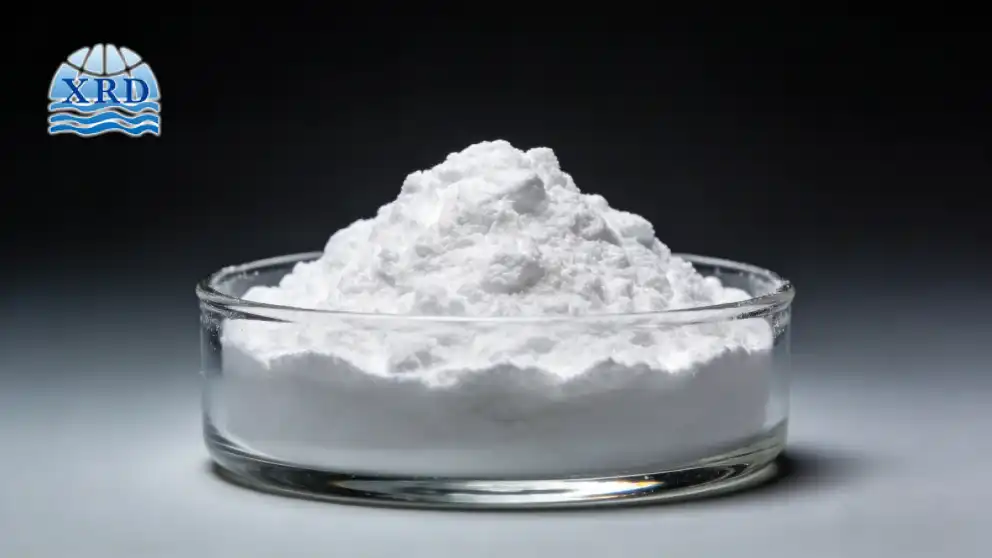
In water treatment and process industries, chemical stability, cost efficiency, and operational reliability are critical to maintaining consistent performance. Sodium Carbonate (Soda Ash, Na₂CO₃) is a widely used alkali that plays a foundational role in pH adjustment, alkalinity control, and process optimization across municipal and industrial systems.
In practical applications, soda ash is valued not as a specialty additive, but as a dependable workhorse chemical for water treatment—one that supports stable chemistry and predictable treatment outcomes.
What Is Sodium Carbonate?
Sodium carbonate is an inorganic alkali salt produced either through the Solvay process or from natural trona deposits. It dissolves readily in water, forming carbonate and bicarbonate ions that increase alkalinity and buffering capacity.
Key properties that make sodium carbonate for water treatment effective include:
- Strong but controllable alkalinity with predictable pH response
- High solubility and rapid dissolution
- Stable storage and handling characteristics
- Compatibility with common water treatment chemicals
These characteristics make soda ash a preferred choice where controlled alkalinity adjustment in water treatment systems is required.
Role of Sodium Carbonate in Water Treatment
pH Adjustment and Alkalinity Control
Maintaining proper pH is essential for coagulation efficiency, corrosion control, and downstream process stability. Sodium carbonate for pH adjustment is commonly used to:
- Raise low influent pH
- Increase alkalinity for optimal coagulation conditions
- Stabilize pH after acid dosing or membrane treatment processes
Compared with caustic soda, sodium carbonate provides a gentler pH increase, reducing the risk of overdosing and localized high-pH zones—an important advantage in municipal systems.
Supporting Coagulation and Flocculation
Many coagulants, including polyaluminum chloride (PAC) and alum, consume alkalinity during hydrolysis. When alkalinity is insufficient, floc formation becomes unstable and settling efficiency declines.
Sodium carbonate in coagulation processes helps by:
- Replenishing alkalinity consumed by coagulants
- Improving floc density and settling performance
- Enhancing turbidity and suspended solids removal
As a result, soda ash is a reliable companion chemical in surface water treatment and wastewater clarification systems.
Corrosion Control in Distribution Systems
Low-alkalinity, acidic water increases the risk of corrosion in pipelines and treatment equipment. Sodium carbonate for corrosion control contributes by:
- Increasing buffering capacity
- Supporting stable, non-aggressive water chemistry
- Reducing metal leaching in distribution networks
While soda ash is not a standalone corrosion inhibitor, it is frequently incorporated into integrated corrosion control strategies for drinking water systems.
Industrial Applications Beyond Water Treatment
Process Water Conditioning
In industries such as power generation, food processing, and chemical manufacturing, sodium carbonate for process water conditioning is used to adjust alkalinity prior to:
- Boiler feedwater treatment
- Cooling water management
- Ion exchange or membrane pretreatment
Its predictable chemistry simplifies automated dosing and makes it well suited for industrial water treatment operations.
Manufacturing and Chemical Processing
Sodium carbonate is also a core raw material in multiple industries, including:
- Glass manufacturing
- Detergents and cleaning products
- Pulp and paper processing
- Metallurgical applications
In these sectors, industrial-grade sodium carbonate functions as a pH regulator, fluxing agent, or reactant—contributing to improved process efficiency and consistent product quality.
Sodium Carbonate vs. Alternative Alkalis
Selecting the appropriate alkali depends on system design, safety considerations, and cost:
- Sodium Carbonate (Soda Ash): Moderate alkalinity, safer handling, controlled pH rise
- Sodium Hydroxide (Caustic Soda): Very strong alkalinity, rapid pH increase, higher safety requirements
- Lime (Calcium Hydroxide): Low material cost, limited solubility, higher sludge production
For many municipal and industrial facilities, sodium carbonate for alkalinity control offers the best balance between performance, safety, and operational simplicity.
Handling, Storage, and Dosing Considerations
Sodium carbonate is available as light ash, dense ash, and liquid solution. Recommended best practices include:
- Storing in dry, moisture-controlled environments
- Implementing dust control for powdered forms
- Using solution tanks with adequate mixing
- Monitoring pH and alkalinity to optimize dosage
Its stability and non-hygroscopic nature make soda ash easier to handle than more aggressive alkalis.
Why Sodium Carbonate Remains a Trusted Treatment Chemical
Despite the availability of newer specialty chemicals, sodium carbonate remains widely used in water treatment because it delivers:
- Consistent performance across variable water qualities
- Predictable chemical behavior
- Favorable safety and handling profile
- Cost-effective alkalinity adjustment
In modern treatment systems, soda ash is not merely an additive—it is a fundamental chemical supporting long-term operational stability.
Conclusion
Sodium carbonate plays a critical role in water treatment and industrial processing by providing controlled alkalinity, supporting coagulation, and stabilizing system chemistry. Its versatility, reliability, and ease of use ensure that soda ash for water treatment applications remains essential in modern operations.
When properly selected and applied, sodium carbonate helps treatment systems operate more efficiently, consistently, and safely—meeting both regulatory requirements and operational demands.