
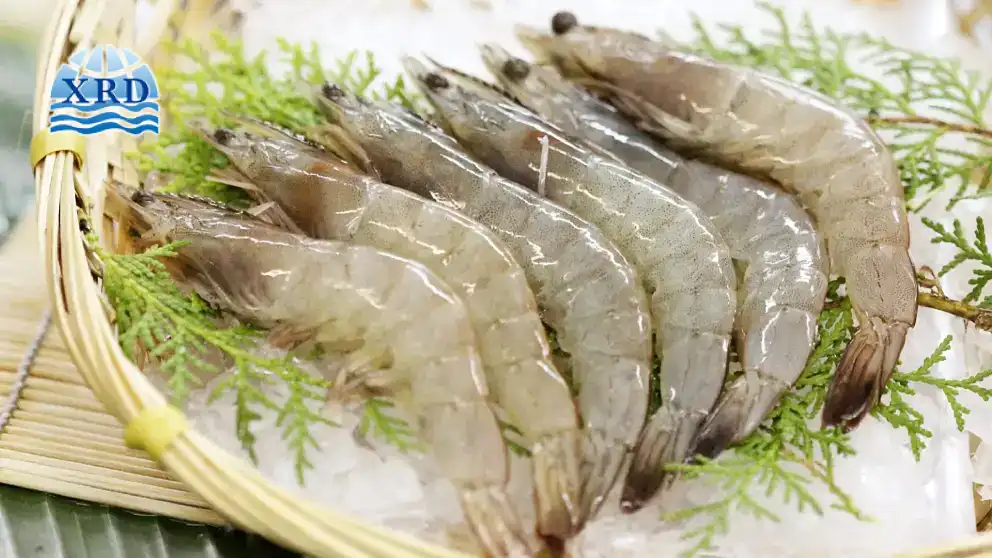
Introduction: The “Black Spot” Challenge in Chilled Shrimp
Fresh shrimp is one of the most valuable seafood products in global trade. However, during cold storage and transportation, shrimp often develops dark discoloration on the head, shell, legs, or tail segments. This phenomenon is known as melanosis, commonly referred to in the seafood industry as shrimp black spot.
Although melanosis does not indicate microbial spoilage and does not directly affect food safety, it significantly reduces the visual quality and consumer acceptance of shrimp products. Retail buyers and consumers frequently associate black spots with aging or poor freshness, leading to reduced shelf value and increased product rejection.
For seafood processors and exporters, controlling melanosis is therefore essential for maintaining product quality during cold storage, refrigerated transport, and international distribution.
Among available solutions, Sodium Metabisulfite (SMBS) has become the industry-standard antioxidant treatment for preventing shrimp black spot formation. When properly applied, it effectively delays enzymatic browning while maintaining shrimp appearance and marketability.
Scientific Mechanism: How Sodium Metabisulfite Prevents Shrimp Melanosis
Shrimp melanosis is primarily an enzymatic browning reaction that occurs naturally after harvesting.
The Enzymatic Browning Pathway
The key enzyme responsible is polyphenol oxidase (PPO), which catalyzes the oxidation of naturally occurring phenolic compounds in shrimp tissue.
The simplified reaction process is:
- Tyrosine and phenolic compounds in shrimp tissue
- Oxidized by polyphenol oxidase (PPO)
- Formation of quinone intermediates
- Polymerization into dark melanin pigments
These pigments accumulate on the shell surface, producing the visible black spots associated with shrimp melanosis.
How Sodium Metabisulfite Interrupts the Reaction
Sodium metabisulfite prevents melanosis through several biochemical mechanisms:
1. Reduction of Quinone Intermediates
Sodium metabisulfite acts as a strong reducing agent, converting reactive quinones back into their original phenolic forms before they polymerize into melanin.
2. Enzyme Inhibition
Sulfur-based compounds released from sodium metabisulfite can bind to active sites of PPO enzymes, reducing enzymatic activity and slowing the browning process.
3. Antioxidant Protection
Metabisulfite scavenges dissolved oxygen and reactive oxidative species, which further suppress oxidative browning reactions.
4. Mild Antimicrobial Activity
Small amounts of sulfur dioxide (SO₂) released from the compound also provide limited microbial inhibition, helping maintain overall seafood freshness during storage.
Because of these combined mechanisms, sodium metabisulfite is widely recognized as one of the most effective seafood anti-melanosis agents.
Industrial Application: Sodium Metabisulfite Treatment Process for Shrimp
In commercial shrimp processing, sodium metabisulfite is typically applied using a post-harvest immersion treatment. Proper control of concentration, soaking time, temperature, and rinsing steps is essential to achieve effective melanosis control while keeping sulfur dioxide residues within regulatory limits.
Recommended Concentration Levels
The optimal sodium metabisulfite concentration varies depending on shrimp species, size, and storage conditions.
Typical industrial concentrations include:
| Shrimp Species | Recommended SMBS Concentration | Treatment Purpose |
|---|---|---|
| Whiteleg shrimp (Litopenaeus vannamei) | 0.5% – 1.0% | Short-term chilled storage |
| Black tiger shrimp (Penaeus monodon) | 0.75% – 1.25% | Export and long transport |
| Cold-water shrimp | 0.5% – 0.8% | Mild melanosis control |
Concentrations above 1.25% are generally avoided due to the risk of excessive sulfur dioxide residue.
Immersion Time and Temperature Control
Proper immersion parameters significantly influence treatment effectiveness.
Typical industrial settings include:
| Parameter | Recommended Range |
|---|---|
| Immersion time | 3 – 10 minutes |
| Solution temperature | 0 – 4 °C |
| Agitation | Gentle circulation recommended |
| Solution pH | 4.0 – 6.0 |
Low temperatures are particularly important because they:
- Improve shrimp texture preservation
- Slow enzymatic reactions
- Enhance metabisulfite penetration into shell surfaces
Standard Operating Procedure (SOP) in Shrimp Processing
A typical industrial anti-melanosis workflow includes the following steps:
1. Immediate Post-Harvest Treatment (Onboard or Dockside)
Freshly harvested shrimp are washed with chilled seawater and quickly immersed in sodium metabisulfite solution to prevent early melanosis.
2. First Anti-Melanosis Dip
Typical parameters:
- 0.8% sodium metabisulfite solution
- 5-minute immersion
- 2–4 °C temperature
3. Draining and Sorting
Shrimp are drained for 2–3 minutes and sorted by size and quality grade.
4. Secondary Processing Treatment (Optional)
Before freezing or packaging, some processors perform a second mild treatment:
- 0.5% sodium metabisulfite solution
- 2–3 minutes immersion
This step provides extended protection during export logistics.
5. Rinsing
To control residual sulfite levels:
- Rinse shrimp with cold potable water
- Duration: 1–2 minutes
6. Packaging and Cold Storage
Shrimp are then:
- Quick frozen (IQF) or stored on ice
- Maintained at −18 °C or below for frozen products
This standardized process effectively reduces melanosis development during cold storage and international transport.
Quality Control: Preventing Excess Sulfite Residues
While sodium metabisulfite is highly effective, improper dosing or excessive soaking can lead to sulfur dioxide residue levels exceeding regulatory limits.
International Residue Standards
Different regions regulate sulfite residues in seafood:
| Regulatory Authority | Maximum SO₂ Residue in Shrimp |
|---|---|
| China (GB 2760) | ≤100 mg/kg |
| European Union (EFSA) | ≤150 mg/kg |
| United States (FDA) | ≤100 ppm (approx.) |
Export processors must ensure their treatment processes remain within the strictest target market regulations.
Key Factors Affecting Residue Levels
Several processing variables influence final sulfite residues:
- Sodium metabisulfite concentration
- Immersion duration
- Shrimp size and shell thickness
- Washing and rinsing procedures
- Peeling or shell removal during processing
Among these factors, adequate rinsing and controlled soaking time are the most effective methods to reduce residues.
Common Detection Methods
Seafood processors use multiple techniques to monitor sulfur dioxide levels:
- Distillation method (Monier-Williams method) – laboratory reference method
- Rapid sulfite detection kits – commonly used for onsite screening
- Ion chromatography – advanced analytical method for export certification
Routine testing helps maintain food safety compliance and export approval.
Safety Handling and Label Compliance
Because sulfites can cause allergic reactions in sensitive individuals, their use must follow strict safety and labeling regulations.
Allergen Labeling Requirements
Many food safety authorities classify sulfites above 10 ppm as a mandatory declared allergen.
Seafood packaging must clearly indicate:
- “Contains Sulfites”
- Or equivalent regulatory labeling statements
This ensures transparency and consumer safety.
Worker Safety and PPE
Handling sodium metabisulfite powder or concentrated solutions requires appropriate personal protective equipment (PPE):
Recommended protection includes:
- Chemical-resistant gloves
- Safety goggles
- Protective masks or respirators in enclosed areas
- Adequate ventilation in processing zones
Direct inhalation of sulfite dust should be avoided to prevent respiratory irritation.
Wastewater and Environmental Management
Sulfite-containing wastewater from shrimp processing should be properly treated before discharge.
Common treatment methods include:
- Aeration oxidation, converting sulfite to sulfate
- Chemical neutralization
- Integration into industrial wastewater treatment systems
These methods ensure compliance with environmental discharge standards.
Conclusion: Balancing Shelf-Life Protection and Food Safety
Shrimp melanosis is a natural enzymatic process that significantly affects seafood appearance and commercial value. Among available preservation technologies, Sodium Metabisulfite remains the most economical and effective solution for controlling shrimp black spot formation during cold storage and transport.
However, successful application requires precise control of concentration, immersion time, rinsing procedures, and residue monitoring to ensure both product quality and regulatory compliance.
Looking ahead, emerging technologies such as modified atmosphere packaging (MAP), rapid chilling systems, and natural antioxidant extracts (such as grape seed extract) are increasingly being explored as complementary methods to reduce reliance on sulfite treatments.
For seafood processors aiming to maintain high-quality shrimp products while meeting global sulfite residue standards, integrating optimized sodium metabisulfite treatment with modern cold chain management remains the most practical and reliable strategy.