
In the high-stakes construction industry, time directly translates into cost. Delays in concrete setting can disrupt project schedules, increase labor expenses, and compromise cold-weather operations. To address these challenges, contractors worldwide rely on calcium chloride (CaCl₂) as a concrete setting accelerator.
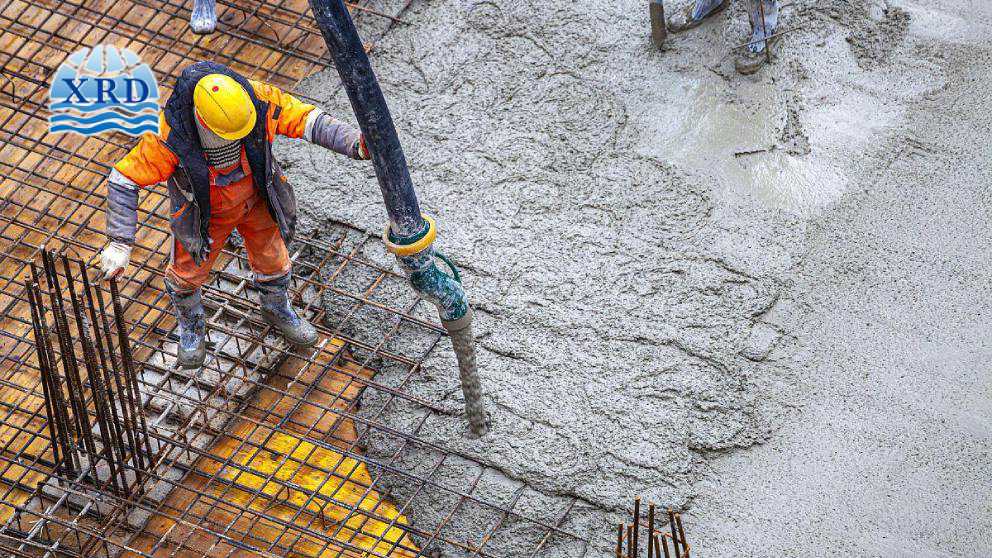
How Calcium Chloride Accelerates Concrete Hydration
The effectiveness of calcium chloride lies in its influence on cement hydration at the molecular level. As a cement hydration accelerator, calcium chloride speeds up the reaction between water and tricalcium silicate (C₃S), the primary compound responsible for early strength development in Portland cement.
By shortening the induction (dormant) period of hydration, calcium chloride allows calcium silicate hydrate (C–S–H) gel to form more rapidly. This accelerates the transition from a plastic mix to a hardened structural material, enabling earlier load-bearing capacity and faster construction progress.
Core Reasons the Concrete Industry Favors Calcium Chloride
Accelerated Early Strength Development
One of the most critical advantages of calcium chloride is its ability to dramatically increase early-age concrete strength. With proper dosage, concrete can achieve within 24 hours a compressive strength that would normally require several days under standard curing conditions.
For precast concrete manufacturing, this rapid strength gain allows same-day mold stripping, often doubling or even tripling daily production capacity. In cast-in-place construction, faster strength development enables earlier formwork removal and quicker advancement to subsequent construction stages.
Essential Performance in Cold Weather Concreting
Low temperatures significantly slow cement hydration, making winter concreting particularly challenging. Calcium chloride serves as a cold weather concrete accelerator, providing a chemical jumpstart when ambient temperatures fall below 5°C.
The accelerated hydration reaction releases heat through an exothermic process, helping maintain internal concrete temperatures. This reduces the risk of early-age freezing and ensures the concrete gains sufficient strength before internal mixing water can crystallize—an event that would otherwise cause irreversible structural damage.
Superior Cost Efficiency Compared to Alternatives
From an economic perspective, calcium chloride remains unmatched among concrete accelerators. It is significantly more cost-effective than non-chloride alternatives such as calcium formate or sodium thiocyanate.
Because typical dosage rates are limited to 1–2% by weight of cement, contractors achieve substantial acceleration with minimal material investment. This combination of low unit cost and high performance delivers a strong return on investment, particularly on large-scale or time-sensitive projects.
Improved Fresh Concrete Characteristics
Beyond accelerating set time, calcium chloride also improves certain fresh concrete properties. Faster setting reduces surface bleeding by locking water into the cement matrix, resulting in a denser, more durable surface finish.
When properly proportioned, calcium chloride may also enhance workability, making the mix easier to place and finish—an important benefit when crews are operating under tight schedules or cold weather constraints.
Calcium Chloride vs. Non-Chloride Concrete Accelerators
| Feature | Calcium Chloride (CaCl₂) | Non-Chloride Accelerators |
|---|---|---|
| Setting Speed | Fastest (industry benchmark) | Moderate to fast |
| Relative Cost | Very economical | High (3–5× more expensive) |
| Early Strength Gain | Excellent | Good |
| Reinforced Concrete Use | Limited due to chloride risk | Safe for steel reinforcement |
Strategic Applications and Risk Management
The concrete industry applies calcium chloride strategically to balance speed, durability, and long-term performance. It is widely used in unreinforced concrete applications, including sidewalks, driveways, masonry units, concrete blocks, and emergency pavement repairs.
To manage corrosion risks, engineers follow strict American Concrete Institute (ACI) guidelines. In reinforced or prestressed concrete structures, calcium chloride usage is restricted or replaced with non-chloride accelerators to prevent chloride-induced corrosion of steel reinforcement.
By adhering to established standards, contractors maximize the performance benefits of calcium chloride while maintaining structural integrity and long-term durability.
Speed, Reliability, and Economic Advantage
Calcium chloride remains a cornerstone of modern concrete construction because it delivers an unrivaled balance of acceleration performance and cost efficiency. Its proven ability to enhance early strength, support cold weather concreting, and improve production efficiency ensures its continued relevance across global construction markets.
As long as projects demand faster schedules and reliable winter performance, calcium chloride will remain the preferred concrete accelerator for contractors seeking efficiency without compromising budget control.