
Why Dust Control Is a Critical Engineering Challenge
Uncontrolled dust from unpaved roads, mining haul routes, and construction sites creates far-reaching environmental, health, and operational problems. Studies show that dust emissions can reduce on-site visibility by up to 70%, increase respiratory exposure risks, and accelerate equipment wear by 15–25% in high-traffic environments.
Beyond safety concerns, excessive dust directly impacts productivity and compliance. Many jurisdictions enforce strict PM10 and PM2.5 limits, requiring industrial operators to adopt reliable dust suppression strategies.
Among available solutions, Calcium Chloride (CaCl₂) is widely recognized as one of the most effective chemical dust suppressants globally, especially when sourced from a reliable calcium chloride dust control supplier. Its ability to actively retain moisture makes it significantly more durable than water-based methods, especially in dry or variable climates.
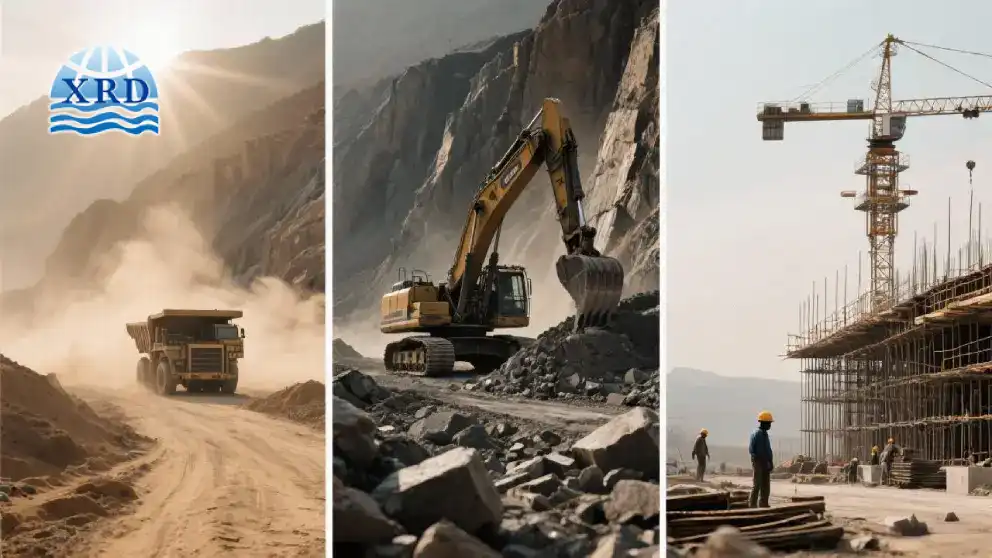
How Calcium Chloride Works: The Science Behind Long-Lasting Dust Suppression
Hygroscopic Moisture Retention
Calcium Chloride is highly hygroscopic, meaning it absorbs moisture directly from the air. Even at relative humidity levels as low as 25–30%, treated surfaces remain damp, while untreated surfaces dry rapidly.
Deliquescent Action and Surface Penetration
Solid Calcium Chloride gradually absorbs enough moisture to dissolve into a brine. This liquid penetrates 50–100 mm into the road base, unlike surface watering that evaporates within hours.
Particle Binding and Surface Stabilization
Once absorbed, the brine forms a thin binding film between fine soil and aggregate particles. This increases particle mass and cohesion, reducing dust lift caused by wind and vehicle movement.
Dust suppression performance comparison
| Method | Typical Effect Duration | Reapplication Frequency |
|---|---|---|
| Water spraying | 1–4 hours | 6–10 times/day |
| Magnesium chloride | Several days | Weekly |
| Calcium chloride | Weeks to months | Seasonal / periodic |
Key Application Sites
Gravel Roads and Unpaved Roads: Reducing Material Loss and Maintenance
On gravel and unpaved roads, operators often use bulk calcium chloride for road dust suppression to retain fine particles that act as the “glue” holding larger aggregates in place.
Measured benefits include:
- 50–75% reduction in annual aggregate loss
- Improved skid resistance and visibility
- Lower grading and reshaping frequency
Municipal road authorities often report 30–40% reductions in annual road maintenance budgets after adopting Calcium Chloride dust control programs.
Mines and Quarries: Heavy-Traffic Dust Control Under Extreme Loads
Mining haul roads experience constant heavy axle loads, generating fine dust that accelerates equipment wear.
Operational advantages:
- Reduced tire failure caused by washboarding
- 15–20% decrease in abrasive wear on moving components
- Improved compliance with environmental dust regulations
Calcium Chloride-treated haul roads also improve rolling resistance, contributing to measurable fuel savings in large fleets.
Construction Sites: Rapid Compliance and Community Protection
Construction sites require fast, flexible dust control solutions.
Typical use cases:
- Temporary access roads
- Excavation and earthmoving zones
- Site perimeters near residential areas
Calcium Chloride enables contractors to maintain compliance with PM10/PM2.5 standards while minimizing complaints and work stoppages.
Benefits of Using Calcium Chloride for Dust Control
Cost Efficiency and Resource Savings
Switching from water-only suppression to Calcium Chloride can reduce:
- Water consumption by up to 80%
- Labor and fuel costs by 30–40%
Long-Lasting Performance
Unlike water, Calcium Chloride remains active for extended periods, reducing downtime and reapplication cycles.
Improved Road Stability
Treated surfaces show:
- Increased compaction density
- Reduced formation of potholes and corrugation
- Better load distribution under heavy traffic
Reliable Performance in Dry Climates
Calcium Chloride remains effective in low-humidity environments where most other suppressants fail.
Application Methods and Best Practices
Product Form Selection
| Form | Typical Concentration | Recommended Use |
|---|---|---|
| Liquid | 30–35% | Large areas, fast penetration |
| Flakes | 77–94% | Remote sites, limited equipment |
| Pellets | 90%+ | Controlled, slow-release needs |
Recommended Application Rates
- Liquid: 1.0–1.5 L/m² for initial stabilization
- Solid: 0.7–1.1 kg/yd² depending on soil type
Best Practice Checklist
- Grade road surface with ~4% crown
- Pre-wet before application
- Apply evenly, avoid runoff
- Do not apply immediately before heavy rainfall
Environmental Impact, Safety, and Long-Term Considerations
When used correctly, Calcium Chloride is considered environmentally responsible and widely accepted by regulatory agencies.
Environmental profile highlights:
- Lower toxicity than petroleum-based suppressants
- Minimal vegetation impact at standard application rates
- Reduced dust migration into nearby waterways
Corrosion Management
While concentrated salts can affect unprotected metals, risk mitigation is straightforward:
- Routine vehicle wash-downs
- Use of corrosion-inhibited formulations
- Protective coatings on exposed components
Modern inhibited Calcium Chloride products can reduce corrosion potential by up to 80% compared to conventional road salts.
Regulatory Alignment
Calcium Chloride dust control programs align with dust mitigation requirements set by agencies such as the EPA and regional environmental authorities, supporting long-term compliance.
Conclusion: A Proven, Scalable Dust Control Solution
Calcium Chloride remains one of the most reliable and scalable dust control solutions for roads, mines, and construction sites. By retaining moisture, stabilizing surfaces, and reducing operational costs, it delivers measurable benefits across safety, compliance, and sustainability metrics.
For best results, operators should work with an experienced calcium chloride dust control supplier to design application strategies tailored to climate, traffic load, and surface conditions.