
Introduction: Challenges of Fluoride and Phosphorus in Industrial Wastewater
Industrial wastewater containing fluoride and phosphorus is a growing environmental concern across multiple sectors, including photovoltaics, semiconductors, electroplating, and fertilizer production. These industries generate effluents with elevated concentrations of fluoride ions (F⁻) and phosphate species (PO₄³⁻), both of which require effective treatment before discharge.
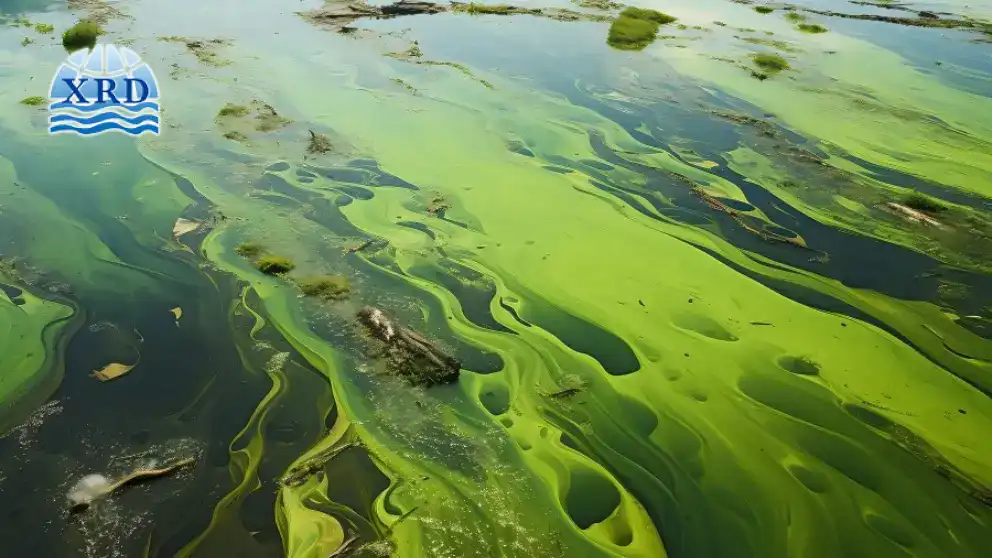
Excess fluoride in water poses serious risks to human health, potentially causing dental and skeletal fluorosis. Meanwhile, phosphorus is a primary contributor to eutrophication, leading to algal blooms, oxygen depletion, and degradation of aquatic ecosystems.
To address these challenges, chemical precipitation using calcium chloride has emerged as a cost-effective and efficient solution. This method enables either simultaneous or stepwise removal of fluoride and phosphorus, making it highly adaptable for industrial applications.
Chemical Principles of Fluoride and Phosphorus Removal
Fluoride Removal Mechanism
Fluoride removal via calcium chloride is based on the formation of an insoluble salt, calcium fluoride. When calcium ions (Ca²⁺) are introduced into fluoride-containing wastewater, they react as follows:
Ca²⁺ + 2F⁻ → CaF₂ ↓
Calcium fluoride (CaF₂) has very low solubility, allowing it to precipitate out of solution and be removed through sedimentation.
Phosphorus Removal Mechanism
Phosphorus removal occurs through the reaction of calcium ions with phosphate ions to form insoluble calcium phosphate compounds, such as tricalcium phosphate or hydroxyapatite. Typical reactions include:
3Ca²⁺ + 2PO₄³⁻ → Ca₃(PO₄)₂ ↓
Under alkaline conditions, hydroxyapatite formation is favored:
5Ca²⁺ + 3PO₄³⁻ + OH⁻ → Ca₅(OH)(PO₄)₃ ↓
Higher pH levels enhance phosphate precipitation efficiency by shifting equilibrium toward these low-solubility compounds.
Synergistic Precipitation Effect
When fluoride and phosphate coexist, a synergistic effect can occur. The formation of mixed or co-precipitated solids can improve particle size and settling characteristics. Additionally, phosphate can act as a nucleation site, promoting faster precipitation of calcium fluoride and improving overall removal efficiency.
Process Flow and Key Operational Steps
Chemical Preparation
Calcium chloride is typically prepared as an aqueous solution with a controlled concentration depending on influent characteristics. Accurate dosing is essential to ensure sufficient calcium ions for complete precipitation without excessive chemical consumption.
pH Adjustment
pH is a critical parameter in precipitation reactions. For optimal fluoride and phosphorus removal, the system is usually maintained under alkaline conditions (commonly pH 9–11). Alkalinity enhances the formation of calcium phosphate and supports overall precipitation efficiency.
Mixing and Flocculation
The treatment process generally involves two mixing stages:
- Rapid mixing: Ensures uniform distribution of calcium chloride and immediate reaction with target ions.
- Slow mixing (flocculation): Encourages aggregation of fine precipitates into larger flocs, improving settling performance.
Solid-Liquid Separation
After flocculation, the formed precipitates are separated using sedimentation tanks or lamella clarifiers. Efficient solid-liquid separation is essential for achieving low residual concentrations in treated water.
Key Factors Affecting Precipitation Efficiency
Dosage Ratio (Molar Ratio)
The molar ratios of Ca/F and Ca/P directly determine removal efficiency. Insufficient calcium leads to incomplete precipitation, while excessive dosing increases operational costs and residual hardness.
Reaction Time
Adequate hydraulic retention time is necessary to allow reactions to reach equilibrium and for flocs to grow to settleable sizes.
Initial Concentration
High concentrations of fluoride and phosphorus generally favor precipitation due to higher driving force, while low concentrations may require optimized dosing or polishing steps.
Interference from Coexisting Ions
Competing ions such as sulfate (SO₄²⁻) and carbonate (CO₃²⁻) can consume calcium ions, reducing availability for fluoride and phosphate precipitation. This may necessitate higher dosing or pretreatment steps.
Advantages and Limitations of the Calcium Chloride Method
Advantages
- Cost-effectiveness: Calcium chloride is widely available and relatively inexpensive.
- High efficiency: Particularly effective for high concentrations of fluoride and phosphorus.
- Favorable sludge properties: The generated sludge is relatively stable and easier to dewater compared to some alternative methods.
Limitations
- Increased hardness: Residual calcium ions can elevate water hardness, potentially requiring post-treatment.
- Limitations at low concentrations: For stringent discharge standards (e.g., surface water limits), additional polishing processes such as adsorption or membrane filtration may be required.
Conclusion and Future Outlook
Chemical precipitation using calcium chloride remains a cornerstone technology for treating industrial wastewater containing fluoride and phosphorus. Its simplicity, reliability, and economic advantages make it a preferred choice in many applications.
Looking ahead, process optimization and hybrid treatment systems—such as combining precipitation with adsorption or membrane technologies—offer promising pathways to achieve ultra-low discharge limits. These advancements will play a crucial role in enabling sustainable water management and supporting industrial water reuse initiatives.