Calcium chloride is widely used across multiple industries due to its strong hygroscopic properties, high solubility in water, and reliable performance under demanding conditions. Typical applications include dust suppression, deicing, oil & gas drilling fluids, industrial processing, and chemical manufacturing.
From an environmental perspective, industrial grade calcium chloride differs from many volatile or reactive chemicals. It does not evaporate into the air, does not generate toxic fumes under normal use, and remains primarily within soil or water systems after application.
For industrial users, understanding these properties is essential—not only for regulatory compliance, but also for long-term site management, infrastructure protection, and responsible procurement decisions.

Potential Impact of Calcium Chloride on Soil
Soil Salinity and Structural Changes
When applied repeatedly or in high concentrations, calcium chloride can increase soil salinity. This effect is most noticeable along roadsides, industrial yards, and unpaved surfaces where runoff accumulation occurs.
However, calcium ions can also improve soil compaction and stability in certain non-agricultural applications, such as road base reinforcement and construction site preparation.
Effects on Vegetation and Soil Microorganisms
Elevated chloride levels may stress plant root systems and affect sensitive vegetation when exposure is prolonged. Soil microbial activity can also be temporarily altered under high salt concentrations, though effects are often localized and reversible with proper drainage and dilution.
Soil Risk Management in Industrial Applications
Environmental risks are largely application-dependent. Controlled dosing, site-specific planning, and proper drainage design significantly reduce long-term soil accumulation.
Impact on Water Systems
Surface Water and Groundwater Considerations
Because calcium chloride is highly water-soluble, it may enter surface or groundwater systems through runoff or industrial discharge. The primary environmental effect is increased mineral content and conductivity rather than acute toxicity.
Effects on Aquatic Ecosystems
High salinity levels can place stress on certain freshwater organisms. However, environmental impact depends on dilution capacity, discharge volume, and frequency of exposure. Industrial applications typically manage these risks through containment and controlled release systems.
Water Management Best Practices
Industries commonly mitigate water-related risks by recycling process water, treating saline effluents, and monitoring conductivity levels. These practices allow calcium chloride to be used effectively while maintaining environmental control.
Environmental Benefits in Air and Dust Control
Performance as a Dust Suppressant
One of the most environmentally positive uses of calcium chloride is dust suppression. Its moisture-attracting properties keep unpaved roads and industrial surfaces damp, significantly reducing airborne particulate matter.
Indirect Environmental and Health Benefits
By controlling dust, calcium chloride helps reduce PM10 and PM2.5 levels, improving air quality around mining sites, construction zones, ports, and logistics facilities. This contributes to better visibility, safer working conditions, and reduced respiratory exposure.
Environmental Impact Across Key Industries
Deicing and Road Maintenance
Calcium chloride is highly effective at low temperatures, reducing the total quantity required compared to traditional salts. When applied responsibly, it enhances road safety while limiting repeated applications that increase environmental load.
Oil & Gas Drilling and Completion Fluids
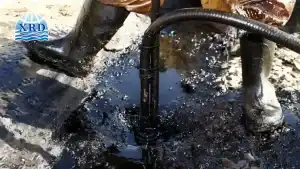
In oil and gas operations, calcium chloride is used to control fluid density and formation stability. Environmental management focuses on closed-loop systems, fluid recovery, and proper disposal, making large-scale use manageable and compliant.
Industrial Manufacturing and Chemical Processing
Manufacturers use calcium chloride for moisture control, reaction processes, and as a processing aid. Environmental considerations typically focus on wastewater management rather than product toxicity.
Reducing Environmental Risk While Maintaining Performance
Industrial users can minimize environmental impact by selecting appropriate product grades, optimizing application rates, and working with suppliers that provide consistent quality and technical guidance.
Choosing a reliable calcium chloride manufacturer with experience in industrial applications helps ensure stable composition, predictable performance, and better environmental control across projects.
A Balanced View of Calcium Chloride’s Environmental Impact
Calcium chloride is not inherently hazardous to the environment. Most environmental concerns arise from overuse, poor application practices, or lack of site management.
For industries seeking both operational efficiency and environmental responsibility, calcium chloride remains a practical and controllable solution when used correctly and sourced from qualified suppliers.