
Calcium chloride (CaCl₂) is widely recognized for its exceptional hygroscopic and deliquescent properties, enabling it to absorb moisture directly from ambient air and retain it in the form of hydrated salts or aqueous brine. This behavior distinguishes calcium chloride from conventional desiccants and makes it highly effective in industrial drying, moisture control, dust suppression, and anti-caking applications.
Understanding calcium chloride hygroscopicity through standardized testing is essential for industrial users, formulation engineers, and packaging designers, as moisture absorption directly affects storage stability, handling safety, and end-use performance.
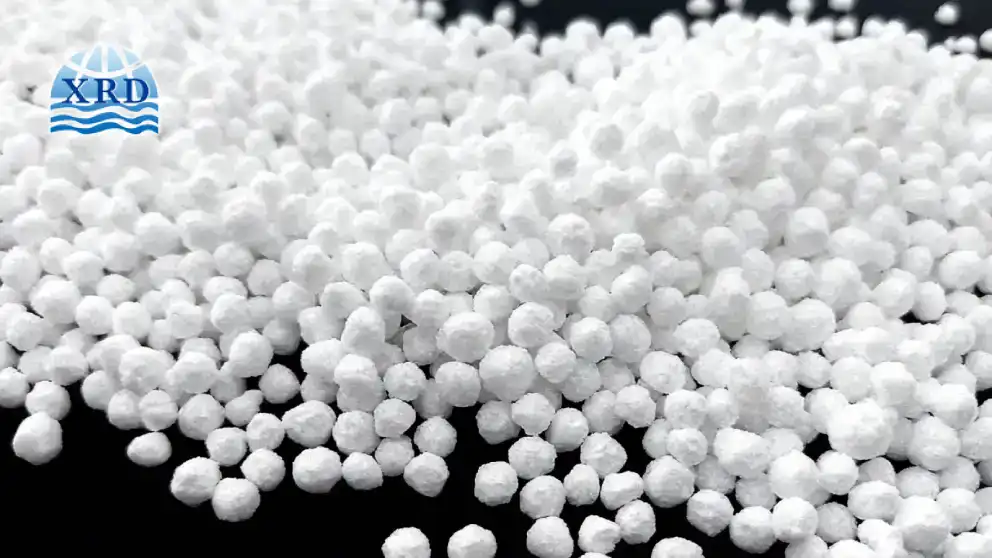
Hygroscopicity Test Methodology
The hygroscopicity test for calcium chloride is designed to quantitatively evaluate moisture uptake behavior under controlled environmental conditions. This methodology provides reproducible data that reflects real-world exposure scenarios encountered during storage, transportation, and industrial application.
Test Environment and Parameters
The test is conducted in a controlled climate chamber to eliminate external variables and ensure accuracy:
- Sample type: Industrial grade calcium chloride (flakes, pellets, or powder)
- Purity: ≥ 94–97% CaCl₂ (typical industrial specification)
- Temperature: 25 ± 1 °C
- Relative Humidity (RH): 60%, 75%, and 90%
- Exposure duration: 1 hour, 6 hours, 24 hours, and up to 72 hours
- Measurement method: Gravimetric weight gain analysis
Multiple humidity levels are selected to simulate moderate, high, and extreme moisture environments, allowing assessment of both hygroscopic and deliquescent behavior.
Sample Preparation and Preconditioning
Before testing, calcium chloride samples are pre-dried in a vacuum oven or drying chamber until a constant weight is achieved. This step ensures that all measured weight gain is solely attributable to atmospheric moisture absorption rather than residual water content.
Samples are then placed in shallow, corrosion-resistant weighing dishes to maximize air exposure while maintaining consistent surface area.
Moisture Absorption Measurement Procedure
- Initial dry weight of each sample is recorded
- Samples are placed into humidity-controlled chambers
- At predefined intervals, samples are removed briefly for weighing
- Moisture absorption is calculated as percentage weight increase
This gravimetric approach is widely accepted in industrial laboratories due to its simplicity, reliability, and direct correlation to practical moisture uptake performance.
Data Interpretation Criteria
- Hygroscopic behavior: Progressive weight increase without liquefaction
- Deliquescent transition: Rapid moisture uptake leading to visible surface wetting or brine formation
- Stability threshold: Relative humidity at which solid integrity is lost
These indicators are critical for selecting appropriate packaging materials, storage conditions, and application formats.
Moisture Absorption Results
Calcium Chloride Moisture Uptake Performance
| Relative Humidity | 1 Hour | 6 Hours | 24 Hours | 72 Hours |
|---|---|---|---|---|
| 60% RH | 6–8% | 15–18% | 28–32% | 45–50% |
| 75% RH | 10–12% | 25–30% | 45–55% | 70–80% |
| 90% RH | 18–22% | 45–55% | 80–95% | Deliquescent |
Key Findings:
- Moisture absorption increases exponentially with relative humidity
- At RH ≥ 75%, calcium chloride exhibits accelerated moisture uptake
- At 90% RH, calcium chloride transitions rapidly from solid to liquid brine
These results confirm calcium chloride’s superior moisture affinity compared to most inorganic salts.
Comparison with Other Common Desiccants
| Desiccant Material | Moisture Absorption Capacity | Deliquescent Behavior |
|---|---|---|
| Calcium Chloride | ★★★★★ Very High | Yes |
| Magnesium Chloride | ★★★★☆ High | Partial |
| Silica Gel | ★★☆☆☆ Moderate | No |
| Activated Alumina | ★★☆☆☆ Moderate | No |
| Sodium Chloride | ★☆☆☆☆ Low | No |
Calcium chloride demonstrates the highest moisture uptake per unit mass, particularly under high-humidity conditions where traditional desiccants become ineffective.
Industrial Implications of Hygroscopicity Test Results
The hygroscopicity test data explains why industrial grade calcium chloride is widely adopted in moisture-critical environments, including:
- Chemical and fertilizer anti-caking systems
- Moisture absorbers and industrial dehumidifiers
- Gas and solvent drying processes
- Dust suppression on roads and mining sites
- Bulk packaging moisture control
For consistent performance, sourcing from an experienced calcium chloride manufacturer ensures uniform particle size distribution and predictable moisture absorption behavior.
Storage and Packaging Considerations
Due to its strong hygroscopic and deliquescent nature, calcium chloride requires specialized handling:
- Moisture-barrier inner liners (PE or aluminum foil)
- Airtight packaging for long-term storage
- Low-humidity warehouse conditions
- Rapid sealing during repackaging or bulk transfer
Proper storage prevents premature liquefaction and preserves product usability.
Calcium chloride hygroscopicity testing clearly demonstrates its exceptional moisture absorption capability across a wide humidity range. The combination of rapid uptake, high capacity, and deliquescent behavior makes calcium chloride a highly effective solution for industrial moisture control, provided that appropriate packaging and handling practices are followed.
Selecting high-quality material from a reliable calcium chloride supplier is essential to ensure consistent test performance and real-world application success.