
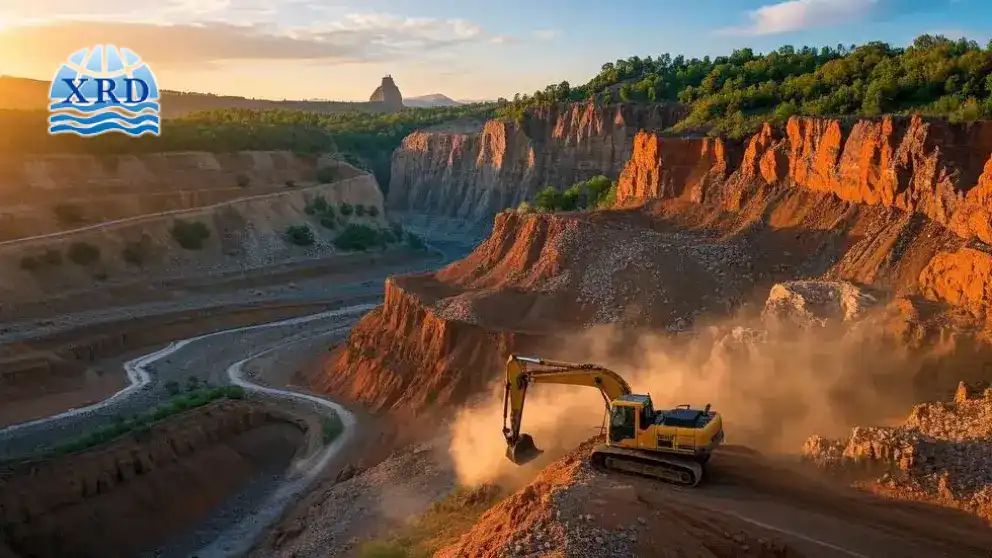
When Dust Becomes a Community and Compliance Issue
In open-pit mining, dust is not just an operational inconvenience.
It directly affects worker safety, equipment reliability, regulatory compliance, and community relations.
Uncontrolled haul road and stockpile dust can lead to:
- Increased respiratory risks for on-site personnel
- Reduced visibility and higher accident potential
- Accelerated wear on mobile equipment
- Complaints from nearby communities
- Higher scrutiny from environmental regulators
Water spraying is often the first line of defense. But as mines expand and climate variability intensifies, water alone is becoming increasingly inefficient and unsustainable.
The Limitations of Water-Only Dust Suppression
While water temporarily reduces airborne dust, its effectiveness is short-lived.
Key challenges include:
- Rapid evaporation in hot, arid, or windy environments
- Frequent reapplication, increasing labor and fuel use
- High water consumption, stressing local water resources
- Inconsistent performance across traffic loads and soil types
As a result, mines relying solely on water often experience rising operating costs without achieving stable dust control.
Why Calcium-Based Treatments Change the Equation
Calcium-based dust control agents—such as calcium chloride or calcium magnesium blends—address dust at the material level, not just the surface.
Their effectiveness is rooted in three core mechanisms:
1. Hygroscopic Moisture Retention
Calcium salts attract and retain moisture from the air, helping road surfaces remain damp even between watering cycles.
2. Particle Binding and Surface Stabilization
Calcium ions promote agglomeration of fine particles, increasing surface cohesion and reducing dust liberation under traffic.
3. Extended Performance Window
Unlike water, calcium-based treatments remain active for days or weeks, depending on conditions and application rates.
This combination allows mines to move from reactive dust suppression to predictable dust control.
Operational Impacts Observed in Open-Pit Mines
Mines that integrate calcium-based treatments into their dust management programs typically report:
- Significant reduction in watering frequency
- Lower total water consumption per kilometer of haul road
- Fewer dust-related complaints from surrounding communities
- Improved haul road durability and reduced maintenance cycles
- More consistent visibility and safer operating conditions
These outcomes are particularly relevant for large-scale operations where haul roads span tens or hundreds of kilometers.
Water Stewardship and ESG Alignment
Water use is no longer evaluated only as an operational cost—it is an ESG metric.
Reducing water demand for dust control supports:
- Local water conservation goals
- Improved community trust
- Stronger environmental reporting narratives
- Long-term permitting and expansion strategies
Calcium-based treatments enable mines to decouple dust control effectiveness from water consumption, an increasingly critical advantage in water-stressed regions.
Implementation Considerations for Engineers and Managers
Effective deployment requires more than chemical selection.
Key factors include:
- Soil gradation and fines content
- Traffic intensity and axle loads
- Local climate (humidity, rainfall, temperature)
- Application method and dosage control
- Seasonal reapplication planning
When these variables are properly managed, calcium-based dust control becomes a system, not a one-time treatment.
From Complaint Response to Process Control
The shift from water-only suppression to calcium-based treatment reflects a broader operational mindset change.
Dust control evolves from:
“Responding to complaints and visibility issues”
to
“Engineering stable, resource-efficient road surfaces”
For open-pit mines under pressure to reduce water use while maintaining social license to operate, this transition is increasingly becoming a baseline expectation rather than an upgrade.