Road safety during winter depends heavily on effective deicing strategies, yet the long-term effects of deicing materials extend far beyond melting snow and ice. Understanding the relationship between road salt environment impacts and infrastructure durability has become increasingly important for HSE professionals, municipal engineers, and facility managers responsible for balancing safety with sustainability.
Many organizations assume that all road salts perform similarly and that concrete deterioration is an unavoidable consequence of winter maintenance. In practice, different deicing chemicals interact with concrete, soil, vegetation, and water systems in very different ways. Selecting an appropriate deicing strategy requires understanding both the chemical mechanisms and the environmental trade-offs involved.
Winter maintenance decisions increasingly consider not only immediate ice removal but also infrastructure life-cycle costs, regulatory compliance, and environmental stewardship. This article explains how different road salts affect concrete and ecosystems, why these impacts occur, and which management practices can reduce long-term risks.
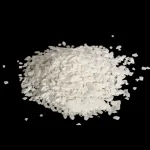
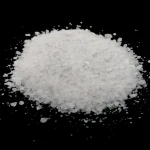
Calcium chloride is generally safe when handled and applied properly. The key risks are excessive application, poor drainage management, and prolonged accumulation in surrounding soil or water bodies. When application rates follow engineering recommendations and environmental controls are implemented, many adverse impacts on concrete and ecosystems can be significantly reduced.
Quick Answer
Road salt affects concrete and the environment through chemical reactions, moisture movement, and repeated freeze–thaw cycles. While sodium chloride often contributes to corrosion and surface scaling, Calcium Chloride provides faster ice melting at lower temperatures but requires careful dosage management because higher chloride concentrations can accelerate reinforcement corrosion if concrete protection measures are inadequate. Environmental impacts depend largely on application rates, drainage conditions, soil characteristics, and local climate.
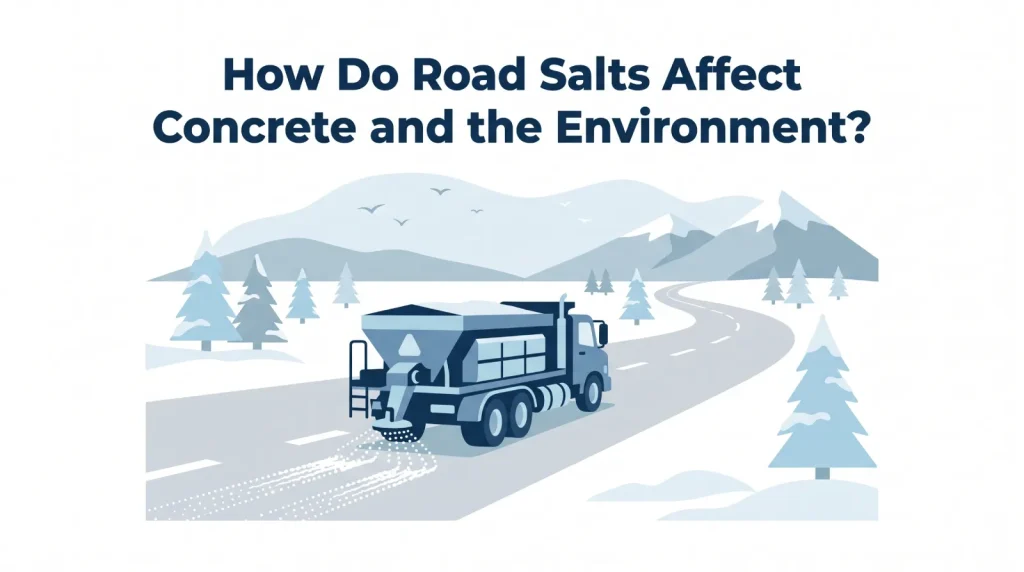
What Happens When Road Salt Contacts Concrete?
Concrete appears solid, but it contains millions of microscopic pores that absorb water throughout its service life. During winter, melted snow carrying dissolved road salts can penetrate these pores and interact with both the cement matrix and embedded steel reinforcement.
Several processes occur simultaneously:
- Salt solution enters concrete through capillary action.
- Water freezes and expands inside pores during temperature fluctuations.
- Chloride ions migrate toward reinforcing steel.
- Repeated freeze–thaw cycles gradually weaken surface layers.
These combined mechanisms often produce damage more rapidly than freezing alone.
How Freeze–Thaw Cycles Increase Damage
Concrete naturally expands when absorbed water freezes. Ice occupies approximately 9% more volume than liquid water, creating internal pressure within the pore structure.
When road salts repeatedly dissolve ice and allow new moisture penetration, concrete experiences additional freezing events throughout the winter season instead of remaining continuously frozen.
Typical deterioration includes:
| Damage Mechanism | Primary Cause | Typical Result |
|---|---|---|
| Surface scaling | Freeze–thaw pressure | Loss of mortar surface |
| Microcracking | Internal hydraulic pressure | Reduced structural durability |
| Spalling | Expansion around reinforcement | Concrete fragments detach |
| Reinforcement corrosion | Chloride penetration | Reduced structural capacity |
The severity depends on concrete quality, air entrainment, moisture content, and exposure frequency.
How Does Calcium Chloride Interact with Concrete?
Unlike sodium chloride, Calcium Chloride actively releases heat when dissolving in water. This exothermic reaction enables faster snow and ice melting, particularly during colder weather where conventional salts become less effective.
However, faster melting also increases moisture availability on pavement surfaces, allowing chloride ions to penetrate concrete more efficiently if protective measures are absent.
Chemical Interaction Inside Concrete
Once dissolved, calcium chloride separates into calcium ions (Ca²⁺) and chloride ions (Cl⁻).
The calcium ions generally have limited harmful effects because concrete already contains calcium-based hydration products. Chloride ions, however, are much more significant because they can migrate toward reinforcing steel.
Potential effects include:
- Breakdown of the passive oxide layer protecting steel.
- Initiation of localized corrosion.
- Expansion of rust products.
- Cracking caused by corrosion pressure.
According to the American Concrete Institute (ACI), chloride penetration is one of the primary contributors to reinforcement corrosion in reinforced concrete exposed to deicing salts.
Factors That Influence Concrete Damage
Not every structure experiences the same level of deterioration. Several variables determine how rapidly damage develops.
| Influencing Factor | Lower Risk | Higher Risk |
|---|---|---|
| Concrete permeability | Low permeability | High permeability |
| Air entrainment | Properly designed | Insufficient air content |
| Chloride exposure | Occasional | Frequent |
| Surface drainage | Good drainage | Standing water |
| Winter climate | Mild freeze cycles | Frequent freeze–thaw cycles |
Properly designed air-entrained concrete generally performs substantially better under repeated winter exposure than conventional concrete lacking freeze–thaw protection.
Why Does Road Salt Affect the Environment?
Beyond infrastructure, the road salt environment relationship extends into surrounding ecosystems. Every snowmelt event transports dissolved chlorides into nearby soil, vegetation, groundwater, and surface water.
Environmental impacts vary according to application intensity, watershed characteristics, precipitation patterns, and drainage design rather than simply the type of deicing salt used.
Soil Quality
Elevated chloride concentrations can alter soil chemistry by changing ionic balance and reducing nutrient availability for certain plant species.
Potential consequences include:
- Reduced soil permeability.
- Increased soil salinity.
- Disruption of microbial communities.
- Lower nutrient uptake efficiency.
These changes may be temporary or persistent depending on annual salt loading and natural rainfall.
Vegetation Stress
Trees and roadside vegetation frequently exhibit injury following multiple winters of heavy deicing.
Common symptoms include:
- Leaf scorch.
- Needle browning.
- Reduced annual growth.
- Root stress.
- Premature leaf drop.
Sensitive plant species located adjacent to highways often experience the highest chloride exposure due to splash, spray, and runoff.
Water Resources
Chlorides are highly soluble and do not readily degrade in natural environments.
Once transported into streams, lakes, or groundwater, chloride concentrations may remain elevated for extended periods because conventional biological treatment processes do not remove dissolved chloride efficiently.
The U.S. Environmental Protection Agency (EPA) recognizes chloride as a water quality concern where excessive concentrations may affect freshwater aquatic organisms and long-term ecosystem health.
Why Does Calcium Chloride Perform Differently from Sodium Chloride?
Although both materials supply chloride ions for deicing, their physical and chemical properties differ significantly. These differences influence melting performance, application rates, environmental persistence, and potential impacts on concrete infrastructure.
Calcium Chloride vs Sodium Chloride
| Comparison Factor | Calcium Chloride | Sodium Chloride |
|---|---|---|
| Effective melting temperature | Down to approximately −25°C | Approximately −9°C |
| Heat released during dissolution | Yes (exothermic) | Minimal |
| Ice melting speed | Faster | Moderate |
| Typical application rate | Lower under severe cold | Higher in extreme winter conditions |
| Moisture absorption | High (hygroscopic) | Low |
| Chloride contribution | Present | Present |
| Potential reinforcement corrosion | Possible if chlorides penetrate concrete | Possible if chlorides penetrate concrete |
| Environmental concern | Chloride accumulation when overapplied | Chloride accumulation when overapplied |
The table illustrates that improved deicing performance does not eliminate environmental responsibility. Regardless of the chemical selected, excessive application increases chloride loading to surrounding ecosystems.
How Does Chloride Reach Reinforcing Steel?
Concrete initially protects reinforcing steel by maintaining a highly alkaline environment with a pH typically above 12.5. Under these conditions, a thin passive oxide layer forms naturally on the steel surface and limits corrosion.
The situation changes when chloride ions gradually penetrate the concrete.
Chloride Penetration Process
The deterioration sequence generally follows several stages:
- Snow or ice melts after road salt application.
- Chloride solution enters concrete pores through capillary absorption.
- Moisture transports chloride ions deeper into the structure.
- Chloride concentration eventually exceeds the corrosion threshold near reinforcing steel.
- The passive protective film begins to break down.
- Corrosion products occupy more volume than the original steel.
- Internal expansion generates cracking and spalling.
Because rust occupies several times the volume of metallic iron, even localized corrosion can create substantial internal pressure.
Why Surface Damage Appears Late
One common misconception is that visible cracking occurs immediately after chloride exposure.
In reality, deterioration often develops in stages:
- Stage 1: Chlorides penetrate with no visible symptoms.
- Stage 2: Corrosion initiates beneath the concrete surface.
- Stage 3: Internal expansion produces microcracks.
- Stage 4: Surface cracking becomes visible.
- Stage 5: Spalling exposes reinforcing steel.
By the time concrete begins to spall, corrosion may have been progressing for several years.
What Environmental Factors Influence Road Salt Pollution?
The environmental impact of road salt depends not only on the quantity applied but also on local geography, weather patterns, drainage infrastructure, and seasonal maintenance practices.
Runoff Is the Primary Transport Pathway
During snowmelt events, dissolved chlorides move with runoff water into nearby drainage systems.
Typical receiving environments include:
- Stormwater drainage channels.
- Retention ponds.
- Streams and rivers.
- Lakes and reservoirs.
- Groundwater recharge zones.
Areas with limited natural flushing often accumulate chloride over multiple winters.
Weather Conditions Matter
Environmental loading varies considerably according to winter conditions.
| Weather Condition | Expected Chloride Movement |
|---|---|
| Heavy snowfall followed by rapid thaw | High runoff potential |
| Light snow with gradual melting | Moderate transport |
| Frozen ground with poor infiltration | Increased surface runoff |
| Frequent rain after salting | Greater chloride migration |
| Dry cold conditions | Lower immediate transport |
Repeated freeze–thaw cycles combined with multiple salting events generally produce the greatest annual chloride loading.
Common Mistakes to Avoid When Managing Road Salt
Even well-designed winter maintenance programs can unintentionally increase infrastructure damage or environmental exposure if application practices are not carefully controlled.
The following mistakes are frequently observed across transportation agencies, industrial facilities, and commercial properties.
Applying More Salt Than Necessary
Many operators assume that doubling the application rate will melt ice twice as fast.
In reality, once sufficient brine has formed, additional salt often provides diminishing returns while increasing chloride runoff and material costs.
Ignoring Pavement Temperature
Air temperature alone does not determine deicing effectiveness.
Surface temperature, solar radiation, traffic volume, and residual moisture all influence how quickly a deicer performs.
Delaying Snow Removal
Salt works more efficiently after mechanical snow removal.
Leaving thick snow layers on pavement requires substantially greater chemical usage and prolongs pavement exposure to chloride solutions.
Neglecting Drainage Maintenance
Blocked drains, clogged catch basins, and standing meltwater allow chlorides to remain in prolonged contact with concrete surfaces.
Improving drainage can reduce both concrete deterioration and environmental transport.
Best Practices for Reducing Concrete and Environmental Impacts
HSE managers and winter maintenance teams can significantly reduce long-term risks by combining appropriate application strategies with preventive infrastructure maintenance.
Recommended practices include:
- Calibrate spreaders before every winter season to maintain consistent application rates.
- Monitor pavement temperature instead of relying solely on air temperature.
- Remove snow mechanically before applying chemical deicers whenever practical.
- Inspect drainage systems regularly to minimize standing saline water.
- Use air-entrained concrete for new pavements exposed to repeated freeze–thaw cycles.
- Seal concrete surfaces where appropriate to reduce chloride penetration.
- Monitor chloride concentrations in environmentally sensitive areas near waterways.
- Review annual salt consumption to identify opportunities for optimization rather than simply increasing application.
These measures improve winter safety while supporting infrastructure longevity and environmental protection.
Calcium Chloride vs Sodium Chloride: Which Has the Greater Overall Impact?
Comparisons between deicing materials often focus solely on melting performance. However, HSE professionals should evaluate the entire life cycle, including application efficiency, infrastructure durability, operational safety, and environmental loading.
Neither product is universally superior under every condition.
Use Calcium Chloride When
- Extremely low temperatures require rapid ice melting.
- Faster deicing reduces operational safety risks.
- Lower application quantities can achieve required performance.
- Winter storms involve repeated freezing conditions.
Use Sodium Chloride When
- Temperatures remain above its effective operating range.
- Budget considerations are the primary factor.
- Infrastructure exposure is limited.
- Local environmental regulations permit its use under established management practices.
Ultimately, minimizing environmental impact depends less on the specific deicer selected than on proper application rates, effective snow removal, drainage management, and continuous monitoring.
Conclusion
Road salt environment impacts are the result of complex interactions between deicing chemicals, concrete materials, weather conditions, and surrounding ecosystems. While Calcium Chloride offers faster and more effective ice melting in extremely cold temperatures, both calcium chloride and sodium chloride can contribute to chloride accumulation if they are overapplied or poorly managed.
For HSE professionals, the most effective strategy is not simply selecting one deicing chemical over another. Instead, long-term success depends on optimizing application rates, improving drainage, maintaining concrete durability, and continuously monitoring environmental performance. Combining these practices helps improve winter safety while reducing infrastructure maintenance costs and minimizing ecological impacts.
When evaluating winter maintenance programs, prioritize evidence-based application methods, pavement condition assessments, and environmental monitoring rather than relying solely on the amount of deicing material applied.
FAQs
What is the environmental impact of road salt?
Road salt primarily affects soil, freshwater, vegetation, and groundwater through chloride accumulation. The severity depends on climate, application rate, drainage conditions, and local geology.
Key impacts include:
- Increased chloride concentration in surface water.
- Changes to soil chemistry and nutrient balance.
- Stress on roadside trees and vegetation.
How does Calcium Chloride melt ice faster?
Calcium chloride dissolves exothermically, meaning it releases heat while mixing with water. This additional heat accelerates ice melting even at lower temperatures where sodium chloride becomes less effective.
Its performance is influenced by:
- Lower operating temperature.
- Heat generation during dissolution.
- Rapid brine formation.
- Strong moisture absorption.
Does road salt permanently damage concrete?
Not necessarily. Properly designed and well-maintained concrete can withstand many years of winter exposure.
Damage becomes more likely when:
- Chlorides repeatedly penetrate concrete.
- Freeze–thaw cycles are frequent.
- Drainage is poor.
Calcium Chloride vs sodium chloride: Which is better for concrete?
Neither chemical is inherently "better" for concrete. Both introduce chloride ions capable of reaching reinforcing steel if sufficient penetration occurs.
Selection should consider:
- Expected winter temperature.
- Required melting speed.
- Concrete design quality.
- Environmental management practices.
When should Calcium Chloride be used?
Calcium chloride is commonly selected when rapid deicing is required under severe winter conditions, especially below the effective temperature range of sodium chloride.
Typical applications include:
- Highways.
- Airport pavements.
- Industrial facilities.
- Emergency access routes.
- Critical infrastructure.
How can road salt pollution be reduced?
Reducing pollution involves managing both the amount and timing of salt application rather than eliminating winter maintenance altogether.
Effective measures include:
- Calibrating spreaders.
- Monitoring pavement temperature.
- Improving drainage systems.
Is road salt harmful to drinking water?
In most municipal drinking water systems, occasional road salt runoff does not immediately create health concerns. However, long-term chloride accumulation in groundwater or small water supplies may require monitoring where heavy winter salting occurs.
Regular water quality testing helps identify changing chloride trends before they become significant.
Why are some trees more sensitive to road salt?
Different plant species have different salt tolerances. Salt spray, saline runoff, and root-zone chloride accumulation can all affect plant health.
Common symptoms include:
- Leaf scorch.
- Reduced growth.
- Branch dieback.
How long does chloride remain in the environment?
Unlike many organic contaminants, chloride ions do not readily degrade. Their persistence depends on rainfall, groundwater movement, watershed flushing, and local hydrology.
Factors affecting persistence include:
- Annual precipitation.
- Soil permeability.
- Groundwater flow.
- Lake turnover rates.
Are there alternatives to traditional road salt?
Yes. Various deicing strategies may reduce chloride loading depending on climate and operational requirements.
Examples include:
- Mechanical snow removal.
- Abrasives for traction.
- Organic-based deicing additives.
No single alternative is suitable for every winter maintenance program, and each should be evaluated for effectiveness, cost, environmental impact, and local regulatory requirements.