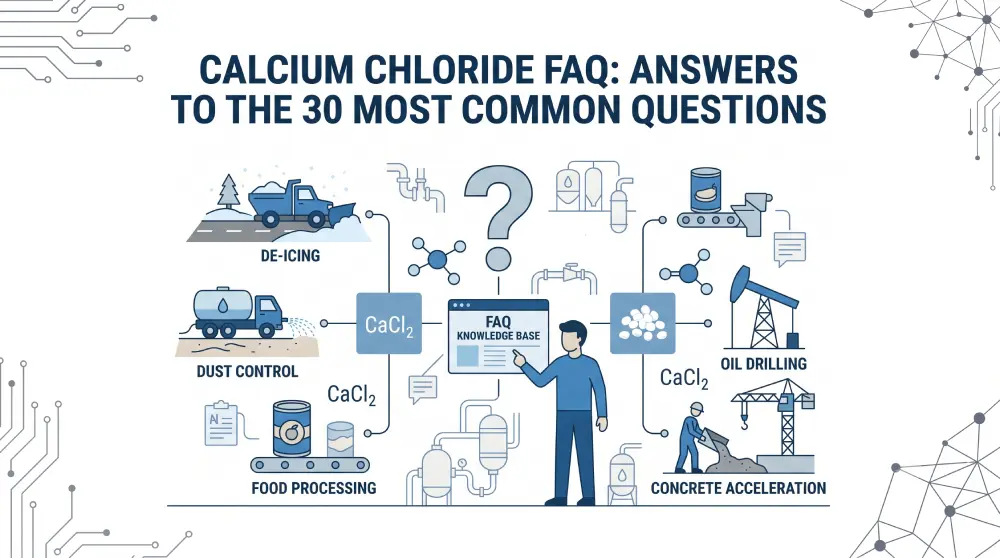
The industrial and commercial use of calcium chloride spans across a surprisingly vast range of applications, from keeping winter roads safe to preserving canned vegetables. This versatility, however, often generates a lot of questions about its properties, safe handling, and effectiveness. A procurement manager sourcing dust control solutions for a mining site has very different concerns than a homeowner trying to melt ice on a steep driveway without damaging the concrete. The sheer volume of technical data and conflicting online advice can make finding straightforward, reliable answers feel overwhelming.
The core of this confusion usually comes back to one thing: understanding that calcium chloride is not a single, uniform substance. It’s available in various forms—flakes, pellets, liquid solutions—and in different purity grades, each engineered for a specific task. Misunderstanding these distinctions is the root of many application failures and safety concerns. This calcium chloride FAQ article is designed to cut through the complexity and provide direct, fact-based answers to the most pressing questions.
Before diving into the details, the single most important takeaway is context-dependent: Calcium chloride is safe when handled properly. The key risks are thermal burns from its heat of dissolution, skin and eye irritation from concentrated solutions, and environmental impacts from chloride runoff. The entire scope of its safe use hinges on respecting its hygroscopic nature, using appropriate personal protective equipment, and applying it at the correct rates. This guide will walk you through everything from basic chemistry to complex industrial applications, debunking common myths along the way.
What This Article Covers
- Fundamental chemistry and why calcium chloride gets so hot when mixed with water
- A detailed breakdown of the most common industrial, commercial, and food-grade applications
- Crucial safety and handling protocols for solid and liquid forms
- Environmental impact, disposal guidelines, and regulatory considerations
- Storage best practices to prevent product degradation and equipment damage
- Bottom line: You can safely and effectively use calcium chloride for nearly any application if you match the correct product form, concentration, and purity grade to the task and strictly follow safety guidelines.
FAQs
What Is Calcium Chloride and What Is Its Chemical Composition?
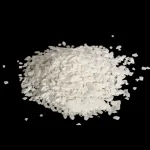
Calcium chloride is an inorganic salt with the chemical formula CaCl₂. It is composed of calcium and chlorine ions and is highly soluble in water. It’s typically produced by refining naturally occurring brines or as a byproduct of the Solvay process. In its pure, anhydrous state, it appears as white, crystalline granules or powder, but it also exists in several hydrated forms, such as the common calcium chloride dihydrate (CaCl₂·2H₂O).
Why Does Calcium Chloride Get Hot When Dissolved in Water?
The heating effect is due to an exothermic reaction. When the solid pellets or flakes of calcium chloride dissolve, the process of separating the ions (lattice energy) requires energy, but the subsequent hydration of those ions releases a significantly larger amount of energy. This net release of heat can be strong enough to cause the temperature of a small amount of water to rise rapidly, even approaching 60°C (140°F) or higher with the right ratio of solid to liquid.
Is Calcium Chloride Safe to Handle for Workers and Homeowners?
It is safe when handled with proper precautions. The primary hazards are the exothermic reaction, which can cause thermal burns, and its hygroscopic nature, which can dry and irritate skin on contact. The Occupational Safety and Health Administration (OSHA) does not classify calcium chloride as a carcinogen. However, direct contact with concentrated solutions or solid product can cause irritation to the skin and serious eye damage. Always wear gloves and safety glasses.
What Are the Different Grades of Calcium Chloride Available?
Industrial-grade products typically have a purity of 77-80% (flake) or 94-97% (pellet/anhydrous) and are used for dust control and deicing. Food-grade calcium chloride must meet stringent purity standards set by the Food Chemicals Codex (FCC) , ensuring it is free from harmful levels of heavy metals and other contaminants. Pharmaceutical-grade meets even higher standards, such as those in the United States Pharmacopeia (USP) , for use in medical treatments and dialysis solutions.
What Is Calcium Chloride Used for in Food Processing?
In food production, it acts as a firming agent, electrolyte replenisher, and flavor enhancer. A classic application is in cheese making, where it helps restore calcium balance in pasteurized milk, leading to firmer curds. It’s also used in canned fruits and vegetables to maintain firmness, in sports drinks to supplement electrolytes, and in molecular gastronomy for direct spherification, where it reacts with sodium alginate to form gel spheres.
How Does Calcium Chloride Work for Dust Control on Roads and Job Sites?
It suppresses dust by absorbing moisture from the air and binding fine soil and gravel particles together. When applied in a liquid solution, it creates a hygroscopic, cohesive surface that resists being broken up by vehicle tires and wind. This process, unlike watering, is not temporary. A single application can reduce dust by up to 80-90% over several weeks, which lowers maintenance costs and improves air quality and driver safety.
Why Is Calcium Chloride More Effective for Deicing Than Sodium Chloride (Rock Salt)?
Performance data clearly shows its superiority. Calcium chloride vs rock salt is a comparison of chemical potential. It generates its own heat upon contact with ice and water, making it effective at much lower temperatures, down to -25°F (-32°C), whereas sodium chloride stops working at around 15°F to 20°F (-9°C to -7°C). It also melts ice up to three times faster than rock salt and is less damaging to vegetation when applied at much lower rates to achieve the same deicing result.
Will Calcium Chloride Damage My Concrete Driveway or Patio?
It will not chemically attack cured concrete, which is a common myth. The damage often attributed to deicers is actually caused by freeze-thaw cycles. Melted water seeps into the porous concrete, and if temperatures drop again, the freezing water expands with destructive pressure. A properly air-entrained, high-quality concrete mix is the best defense. Calcium chloride’s ability to melt ice quickly at a low dosage can actually reduce the number of freeze-thaw cycles compared to slower-acting products.
How Should Calcium Chloride Pellets and Flakes Be Stored?
They must be stored in a cool, dry, well-ventilated area in airtight containers. Because the product aggressively absorbs atmospheric moisture, an improperly sealed bag will quickly absorb water, forming a solid, unusable mass and potentially producing a corrosive liquid that can damage storage floors. Avoid storing it near acids, strong bases, or oxidizers, and never use unlined steel containers, as the moist product will corrode the metal.
Is Calcium Chloride Environmentally Harmful or Toxic to Plants?
The primary risk is chloride ion toxicity to plants and aquatic life when heavy use leads to excessive runoff into soil and waterways. While the calcium component is a plant nutrient, high concentrations of chlorides in soil can cause leaf scorch and impede a plant's ability to absorb water. Responsible application involves using calibrated spreaders, strictly following recommended rates to avoid over-application, and keeping the product far from sensitive vegetation and water bodies.
How Long Does Calcium Chloride Last on a Gravel Road for Dust Control?
The effective duration of a single application can range from several weeks to a full season, heavily dependent on environmental conditions and traffic volume. In a controlled study, a properly primed and graded road treated with a 35% liquid calcium chloride solution remained stabilized and nearly dust-free for over 3 months under moderate traffic. High rainfall and frequent heavy-truck traffic will significantly reduce this longevity, requiring more frequent re-application.
What Is the Difference Between Anhydrous and Dihydrate Calcium Chloride?
The difference lies in water content and calcium chloride concentration. Anhydrous calcium chloride (CaCl₂) is 0% water and has a minimum purity of 94-97%, making it the most concentrated form. Calcium chloride dihydrate (CaCl₂·2H₂O) contains about 20-25% water of crystallization and typically has a purity of 77-80%. Anhydrous is more efficient per unit weight but costs more upfront, while dihydrate flakes are the economical standard for many industrial applications like oilfield completion fluids.
Can You Use Calcium Chloride in a Swimming Pool to Increase Calcium Hardness?
Yes, this is a standard water chemistry practice. Maintaining a calcium hardness level between 200 and 400 ppm is crucial to prevent aggressive water, which will leach calcium from pool plaster, grout, and concrete, causing etching and roughness. Calcium chloride increases hardness without affecting total alkalinity. It should be pre-dissolved in a bucket of water and added slowly to the deep end with the pump running, away from metal fixtures.
What Is the Role of Calcium Chloride in Oil and Gas Drilling?
It is a critical component in drilling fluids and completion operations. It is the primary weighting agent in clear, solids-free workover and completion brines, with densities achievable from 8.4 lb/gal to over 11.6 lb/gal. These brines are used to maintain well control by exerting hydrostatic pressure against formation fluids. The absence of suspended solids prevents formation damage that can reduce a well's productivity, making it superior to mud-based systems for these specific tasks.
Is Calcium Chloride Corrosive to Metal, and How Can It Be Managed?
Yes, its chloride ions are highly corrosive to ferrous metals like steel and iron, especially in the presence of moisture and oxygen. The concentrated liquid that results from deliquescence is a strong electrolyte that promotes galvanic corrosion. Mitigation requires a multi-faceted approach: use of corrosion inhibitors in deicing and dust control formulations, selection of corrosion-resistant materials like 316L stainless steel or fiberglass for storage tanks and piping, and thorough washing of vehicles and equipment exposed to the material.
How Do You Apply Calcium Chloride Flake for Ice Melting?
Apply it as a thin, even scatter, not in heavy clumps. The recommended application rate for a standard 77-80% flake is 2 to 4 ounces per square yard. The flakes immediately bore through the ice layer to the pavement surface, break the bond, and then spread a brine undercutting the ice sheet. For residential use on a 600-square-foot driveway, you should not need more than 2-3 pounds per application. Using more provides no faster melting and merely increases the potential for chloride runoff.
Can Calcium Chloride Be Used to Dry Damp Basements or Prevent Mold?
Yes, it can function as a temporary, passive desiccant, but with critical limitations. A large open container of anhydrous calcium chloride in a damp room will absorb moisture and help lower local humidity, acting as a homemade dehumidifier. However, it is not a substitute for a mechanical dehumidifier. The absorbed water creates a corrosive liquid that must be contained and disposed of properly, and it cannot prevent mold growth hidden in wall cavities where the air is stagnant.
What Are the Symptoms of Calcium Chloride Skin or Eye Exposure?
Skin contact with solid calcium chloride can cause a dry, gritty sensation followed by irritation. If the skin is moist, the exothermic reaction can produce a distinct burning sensation and, with prolonged contact, lead to thermal or chemical burns. Eye contact is a medical emergency, causing immediate, severe pain, intense burning, and potential corneal damage. The first aid response for any exposure is to flush the affected area with gently flowing water for at least 15-20 minutes and immediately remove contaminated clothing.
How Does Calcium Chloride Accelerate the Setting Time of Concrete?
It acts as a catalyst, speeding up the early hydration of tricalcium silicate (C₃S) in Portland cement. The American Concrete Institute (ACI) 212.3R reports that adding 2% calcium chloride by weight of cement can reduce the initial setting time of concrete by half at 70°F (21°C). This generates more heat of hydration at a faster rate, which is extremely beneficial for cold-weather concreting as it keeps the mix above freezing and allows strength gain to continue. However, due to the chloride ion’s corrosive nature, it is strictly forbidden in any concrete containing embedded aluminum or galvanized steel.
What Is the Shelf Life of Packaged Calcium Chloride?
Theoretically, the chemical itself does not expire. The practical shelf life is entirely determined by the integrity of the packaging. A sealed, high-quality polyethylene-lined paper bag stored in a dry warehouse can easily last for 2-3 years. However, once a bag is opened, its shelf life drops to a matter of months, weeks, or even days in a humid environment. A moisture-hardened, solidified bag is evidence of poor storage, not a chemically expired product.
Is Calcium Chloride the Same as Magnesium Chloride?
No, they are distinct chemicals with different performance profiles. While both are hygroscopic chlorides used for deicing and dust control, calcium chloride (CaCl₂) is generally more effective at low temperatures, works faster, and is less moisture-demanding. Magnesium chloride (MgCl₂) is less aggressive and is often marketed as less corrosive, but it requires more atmospheric moisture to become effective and can leave a slippery, oily residue when wet. The choice between them involves a trade-off between raw performance and a different environmental impact profile.
How Do You Properly Dispose of Unused Calcium Chloride Solutions or Spills?
Never wash large amounts of solid or concentrated liquid down a storm drain. For small residential spills on pavement, sweep up the solid and reuse it if clean, or dissolve it in a large amount of water and flush it to a sanitary sewer after confirming with your local wastewater treatment authority. Large industrial spills must be contained, and the contaminated material should be collected into clean, properly labeled chemical waste containers for disposal by a licensed waste management company according to all local, state, and federal regulations.
What Are the Common Uses for Calcium Chloride in Home Brewing and Cheesemaking?
Home brewers use it to adjust the "water profile" of their mash. Adding 1 teaspoon of calcium chloride per 5 gallons of reverse osmosis water helps lower the mash pH into the ideal range of 5.2-5.6, which promotes healthy enzyme activity for starch conversion. Cheesemakers add 1/4 to 1/2 teaspoon of a 30% solution per 2 gallons of pasteurized milk to restore the calcium balance damaged by pasteurization, which is critical for forming a firm, workable curd.
Can Calcium Chloride Be Used in Refrigeration and Industrial Cooling Systems?
Yes, it is a primary refrigerant in industrial-scale secondary cooling systems, known as a brine system. A 30% calcium chloride solution has a freezing point around -50°F (-46°C), making it an excellent, non-freezing coolant for ice rinks, food freezing tunnels, and large cold storage warehouses. Its high specific heat capacity allows it to store and transfer more thermal energy per gallon than alternatives like glycol, making it an energy-efficient choice despite its corrosiveness.
What Respirator or PPE Is Required When Handling Calcium Chloride?
For most applications involving occasional handling of solid flakes or pellets, chemical-splash goggles, nitrile or rubber gloves, and long-sleeved clothing are adequate. The primary concern is prevention of eye and skin contact. If generating dust, such as when transferring large quantities in a confined space, a NIOSH-approved N95 particulate respirator is required to prevent mechanical irritation to the nose and throat. Working with concentrated hot solutions always requires a face shield in addition to goggles.
How Do You Make a Liquid Calcium Chloride Solution From Solid Flakes?
Always add the solid calcium chloride to water, never water to the solid, to control the violent exothermic reaction. A common 30% solution is made by dissolving 4 pounds of 80% flake in 1 gallon of water. Slowly stir the flakes into the full volume of cold water. The solution will heat up dramatically and become cloudy at first. Allow it to cool and settle for 24 hours; any insoluble material will drop to the bottom, leaving a clear, amber liquid for use.
Is Food-Grade Calcium Chloride the Same as the Product Used for Deicing?
No, and this is a critical safety distinction. Food-grade calcium chloride is manufactured, processed, and packaged under hygienic conditions that comply with FDA and FCC purity standards, specifically limiting heavy metals and arsenic. The product sold as a deicer may contain other industrial-grade salts and intentionally added anti-caking agents and corrosion inhibitors that are not approved for human consumption. Deicing products must never be used for any food-related application.
How Is Calcium Chloride Used as a Desiccant in Packaging and Shipping?
It is the active ingredient in many "clay desiccant" packs, but in its pure, anhydrous pellet form, it is packaged as a separate container desiccant. These porous, specialized packs are placed inside shipping containers and cargo holds to protect high-value cargo like machinery, bulk chemicals, and steel coils from "container rain"—the condensation that forms on the walls and ceiling and drips down onto the product. It can absorb over 150% of its weight in moisture, maintaining a dew point below the container’s surface temperature.
What Are the First Aid Steps for Ingesting or Swallowing Calcium Chloride?
Ingestion of solid granules or a concentrated solution can be extremely dangerous. The key immediate action is to rinse the mouth with water and have the person slowly drink one to two glasses of water or milk to dilute the material. Do not induce vomiting. The exothermic reaction can cause both thermal and chemical burns to the mouth, esophagus, and stomach. Seek immediate professional medical attention and do not leave the person alone.
Where Can I Buy Calcium Chloride for Specific Applications Like Dust Control or Cheesemaking?
The purchase location is dictated by your specific application and required grade. For large-scale dust control and deicing, industrial-grade material is sourced in bulk or totes from specialty chemical distributors and landscape supply centers. Pure, food-grade calcium chloride for cheesemaking, brewing, and canning is readily available from homebrew shops, specialty cheese supply retailers, and online marketplaces. It's crucial to verify the product's grade matches its intended use before purchasing.
What to Look for in a Calcium Chloride Supplier
Selecting a reliable source requires evaluating more than just the price per ton. The best procurement strategy focuses on a supplier’s ability to demonstrate consistent quality, logistical reliability, and technical competence, which directly impacts your operational efficiency and product performance.
A qualified supplier should be able to provide a batch-specific Certificate of Analysis (CoA) for every shipment, verifying the concentration of calcium chloride and strict limits on impurities like magnesium, sodium, and heavy metals. This document is your primary defense against receiving an off-spec product that could damage your equipment or ruin a production batch. Equally important is logistical capability—a supplier's network of terminals and their guaranteed lead times are what prevent costly operational shutdowns. For example, a missing deicer shipment before a winter storm can have cascading consequences.
Finally, look for a partner who offers technical guidance, not just a transactional sale. A knowledgeable supplier can advise on the comparative landed cost of switching from flake to pellet, help optimize your brine-making process, or recommend storage solutions that prevent product caking and extend shelf life. This consultative approach often delivers more long-term value than the lowest unit price alone.
Conclusion
This calcium chloride FAQ has covered the critical chemical and practical principles needed to use this chemical effectively. The three core takeaways are that its unmatched performance—from melting ice faster at ultra-low temperatures to creating solids-free drilling fluids—stems directly from its hygroscopic and exothermic properties. Second, responsible use is non-negotiable and is built on respecting its corrosive nature through proper material selection, precise application rates, and strict adherence to personal protective equipment protocols. Finally, product success is entirely dependent on matching a specific grade and form, such as food-grade pellets or industrial-grade flake, to its intended application.
The key is to treat calcium chloride as a powerful and versatile engineering tool. When evaluating your needs, prioritize technical data like purity, application rate, and a Certificate of Analysis over a simple price comparison. For teams looking for a partner that can provide this level of documented quality and technical insight for their industrial operations, companies like XRD Chemical offer a model of supply-chain excellence that goes beyond a basic transaction.