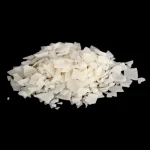
Municipal winter maintenance teams face a persistent challenge: selecting a deicing agent that balances public safety, budget constraints, and long-term infrastructure health. Traditional approaches often default to rock salt, but growing awareness of its environmental toll and corrosive damage has shifted attention to alternative chlorides. Among these, calcium chloride and magnesium chloride stand out as the two leading contenders, each with distinct performance profiles that suit different operational strategies.
The way public works departments approach ice melt comparison has evolved significantly. A single-minded focus on cost-per-ton is giving way to a more nuanced evaluation of total cost of ownership, factoring in application rates, corrosion mitigation, and pavement longevity. The 2026 winter maintenance landscape demands data-driven choices, not just tradition.
This decision guide breaks down the chemistry, real-world performance, and economic trade-offs between these two liquid and solid deicers. For municipalities evaluating their winter storm arsenal, understanding the key differences between calcium chloride and magnesium chloride is the first step toward a more effective and sustainable snow and ice control program.
Calcium chloride is effective as a deicer. It performs reliably in extreme cold, but it accelerates metal corrosion if not formulated with inhibitors. The primary trade-offs involve low-temperature performance, environmental impact, and application strategy. The following analysis provides the data needed to make an informed selection for your jurisdiction.
Key Takeaways
- Calcium chloride generates heat upon dissolving and melts ice effectively at temperatures as low as -25°F, giving it a decisive advantage in extreme cold.
- Magnesium chloride is less aggressive on concrete and metal but requires a minimum pavement temperature of about 5°F for practical performance.
- Application rates for calcium chloride are typically 30-50% lower than those for magnesium chloride to achieve the same ice melting volume.
- Liquid deicers for anti-icing require different storage and handling systems; calcium chloride brines demand corrosion-resistant equipment.
- A comprehensive ice melt comparison must weigh immediate melting speed against long-term costs from infrastructure degradation and environmental compliance.
How Do the Chemical Properties of These Deicers Compare?
Understanding why these two chlorides behave differently starts with their fundamental chemistry. Both are hygroscopic deliquescent salts, meaning they attract moisture from the air and dissolve into a brine. However, their molecular structures and energy dynamics in water create distinct performance curves.
Calcium Chloride: Exothermic Reaction and Low Eutectic Point
Calcium chloride has the chemical formula CaCl₂. When solid pellets or flakes contact ice or snow, they dissolve in the thin layer of water always present on the pavement surface. This dissolution is strongly exothermic, releasing significant heat that jumpstarts the melting process. The heat generation is a critical differentiator.
The eutectic temperature of calcium chloride brine is approximately -59°F, the point where the salt can no longer depress the freezing point of water. In practice, its effective working range extends reliably down to -25°F. Below this, the brine's viscosity increases dramatically, slowing ion diffusion and making spreading difficult. Municipalities in northern states and Canadian provinces often specify calcium chloride for overnight storms when temperatures plummet.
Magnesium Chloride: Lower Heat, Higher Viscosity
Magnesium chloride, with the formula MgCl₂, is often sourced as a byproduct from ancient seabeds or salt brines. It also generates heat when dissolved, but less than calcium chloride. Its eutectic temperature is around -28°F, but operational guidelines typically recommend a minimum pavement temperature of 5°F for effective use.
A key physical difference emerges in brine form. Magnesium chloride solutions become more viscous at low temperatures, making spray application uneven and reducing the brine's ability to undercut ice. In many jurisdictions, this viscosity limits magnesium chloride's role to anti-icing or as a pre-wetting agent for solid salt at moderate temperatures, rather than as a stand-alone deicer in deep cold.
Calcium Chloride vs Magnesium Chloride: A Detailed Performance Analysis
Municipal procurement officers evaluating an ice melt comparison require granular data. The following table dissects critical performance dimensions to support an objective, specification-driven decision.
| Performance Metric | Calcium Chloride (CaCl₂) | Magnesium Chloride (MgCl₂) |
|---|---|---|
| Effective Min. Pavement Temp. | -25°F | 5°F to 10°F |
| Exothermic Heat Released | High (120-150 BTU/lb) | Moderate (80-100 BTU/lb) |
| Typical Solid Application Rate | 200-300 lbs per lane mile | 300-500 lbs per lane mile |
| Brine Viscosity at 10°F | Low, remains sprayable | High, requires heating systems |
| Ice Penetration Speed | Fast, undercuts bonded ice rapidly | Moderate to slow in cold weather |
| Corrosion Potential (ASTM B117) | High unless inhibited (phased liquid can reduce rate by 70%+) | Moderate to high, though often marketed as less corrosive |
This data illustrates why calcium chloride is the standard for extreme weather response. Its ability to cut through hard-packed snow and ice quickly reduces plowing cycles and minimizes traffic disruptions. For southern and mid-Atlantic regions, where winter temperatures hover near freezing, magnesium chloride may be adequate, provided the agency monitors pavement temperature sensors closely.
Why Does Corrosion Risk Influence Municipal Deicer Choice?
Corrosion of fleet vehicles, bridges, reinforcing steel, and guardrails represents a major hidden cost in winter maintenance. The American Public Works Association (APWA) reports that "chloride-based deicers are directly linked to increased metal corrosion, with annual damages to vehicles and infrastructure estimated at over $5 billion in the United States alone." Both calcium and magnesium chlorides contribute to this problem, but through different mechanisms.
The Electrochemical Mechanism
All chloride ions from deicers are corrosive because they break down the passive alkaline protective layer on reinforcing steel in concrete. Once this passivating film is destroyed, oxygen and moisture trigger electrochemical corrosion. The Federal Highway Administration (FHWA) states that "the primary factor in chloride-induced corrosion is not the cation type, but the total chloride ion loading and the permeability of the concrete." This means that choosing a less corrosive deicer is beneficial, but controlling application rates and concrete quality is paramount.
Corrosion-Inhibited Formulations
Modern calcium chloride products often include multi-component corrosion inhibitors. ASTM B117 salt spray testing shows that standard liquid calcium chloride can cause significant metal loss, but an inhibited formula can reduce corrosion rates by 70% to 90% compared to sodium chloride. Magnesium chloride naturally contains fewer free chloride ions per unit weight, but it is often applied at higher rates, potentially narrowing the total chloride loading gap. A precise ice melt comparison must calculate the pounds of chloride applied per lane mile per storm, not just the nominal corrosivity of the raw material.
Where Are These Deicers Used in Municipal Operations?
The selection between calcium chloride and magnesium chloride is often dictated by the specific winter maintenance strategy and available equipment. Their optimal use cases diverge significantly.
Anti-Icing Strategies
Anti-icing involves applying a liquid brine to dry pavement before a storm to prevent ice from bonding. Magnesium chloride brines, typically at a 30% concentration, are widely used for this purpose in moderate winter climates because they are less damaging to asphalt and adhere well to the road surface. Colorado DOT and Washington State DOT pioneered extensive magnesium chloride anti-icing programs.
However, in the coldest regions, calcium chloride brine (32-35% concentration) is preferred due to its lower freeze point. A magnesium chloride brine tank that freezes during a sudden temperature drop renders an entire anti-icing fleet useless. The residual effect of calcium chloride also keeps it active longer on the road surface, providing a wider window for storm onset timing errors.
Deicing and Pre-Wetting Solid Salt
For reactive deicing of accumulated snow and ice, calcium chloride is the standard. Pre-wetting rock salt with liquid calcium chloride accelerates the salt's melting speed at low temperatures. The exothermic heat from the calcium chloride brine kickstarts the rock salt's brine formation at temperatures below 15°F, where dry salt alone works very slowly. Magnesium chloride pre-wet systems are common in warmer states but require insulated tanks and heating lines to prevent gelling in cold weather, adding equipment costs.
How to Choose the Right Deicer for Your Jurisdiction in 2026
Selecting a winter maintenance chemical is not a one-size-fits-all decision. A data-driven framework based on your operational parameters will yield the most cost-effective and resilient strategy.
Choose Calcium Chloride When:
- Your jurisdiction regularly experiences pavement temperatures below 0°F.
- Rapid ice undercutting and a short response time are critical safety KPIs.
- You operate an older fleet, and investing in premium, corrosion-inhibited liquids can extend vehicle service life.
- You are pre-wetting rock salt to extend its effective temperature range during overnight cold cycles.
Choose Magnesium Chloride When:
- Winter temperatures in your area typically stay above 10°F.
- Your primary strategy is anti-icing on high-end infrastructure like new bridges or airport tarmacs where concrete protection is a top priority.
- You have invested in heated liquid storage and spray systems capable of handling viscous brines.
- Your environmental permits are highly restrictive on chloride runoff, and you can commit to lower application rate targets through precision equipment.
A Decision Matrix for Winter Season Planning
This matrix consolidates the key variables for a municipal procurement team.
Choose inhibited calcium chloride for primary deicing if:
- Your minimum design pavement temperature is -25°F.
- Your level of service requires bare pavement within 2 hours of storm end.
- You have access to corrosion-resistant spray equipment and enclosed storage.
Choose magnesium chloride for primary anti-icing if:
- Your minimum design pavement temperature is 10°F.
- You can implement a strict application rate control program with calibrated truck computers.
- Your infrastructure management plan prioritizes a 50-year bridge deck service life over chemical cost per gallon.
What Are the Environmental and Infrastructure Trade-offs?
The environmental fate of chlorides is under increasing regulatory scrutiny. Both calcium and magnesium chlorides migrate with meltwater into roadside soils, surface water, and groundwater. The U.S. Geological Survey (USGS) notes that "chloride concentrations in urban streams have risen substantially over the past two decades, correlated with deicer application rates, with concentrations frequently exceeding the EPA aquatic life chronic criterion of 230 mg/L."
Calcium ions can improve soil structure by flocculating clay particles, potentially reducing erosion in certain soil types compared to sodium. Magnesium can also provide a plant nutrient benefit in small quantities. However, the fundamental problem is the chloride ion, which is toxic to aquatic life and can mobilize heavy metals in soil. The choice of cation is secondary to the total amount of chloride applied.
For municipal managers, the key is to use precision application systems. Ground-speed-controlled spreaders, real-time pavement temperature monitoring, and regular calibration of solid and liquid equipment can reduce overall chloride usage by 20-30% regardless of the chemical chosen. This "Smart Spreading" approach is the most effective path to environmental stewardship.
Conclusion
The ice melt comparison between calcium chloride and magnesium chloride reveals no universal winner, only the best fit for a specific operational context. Calcium chloride delivers unmatched performance in extreme cold, exothermic heat generation, and rapid ice undercutting, making it essential for northern-tier municipalities. Magnesium chloride offers a less aggressive profile for concrete and is well-suited for anti-icing programs in moderate climates, provided agencies manage its cold-temperature viscosity.
The right choice for 2026 will depend on your jurisdiction's average winter temperature profile, the condition of your bridge infrastructure, and your capacity to implement precision application technology. The key is to evaluate total lifecycle costs, not just the purchase price per ton, and to invest in the equipment and training that minimize chloride use while maximizing public safety. For teams looking for a deicer that performs reliably in the harshest winter conditions, calcium chloride remains the foundational component of a comprehensive winter maintenance strategy.
FAQs
What is the biggest difference between calcium chloride and magnesium chloride in ice melting?
The biggest operational difference is temperature performance. Calcium chloride melts ice exothermically and works effectively down to -25°F. Magnesium chloride slows significantly below 10°F and becomes too viscous to spray.
- Calcium chloride generates more heat on contact with ice.
- Magnesium chloride brines can gel in cold-weather storage tanks without heaters.
- Calcium chloride undercuts bonded ice faster, reducing the need for mechanical removal.
How does the cost comparison for ice melt chemicals work out over a season?
A direct price-per-gallon comparison is misleading. Calcium chloride typically requires a 30-50% lower application rate than magnesium chloride to achieve the same melting volume.
- Factor in reapplication frequency: calcium chloride's residual effect often lasts longer.
- Include equipment costs: magnesium chloride may require heated tanks and lines.
- Calculate infrastructure depreciation: inhibited calcium chloride can reduce fleet corrosion costs.
Is calcium chloride more corrosive than magnesium chloride to concrete?
Not necessarily when comparing formulations. All chlorides can damage concrete through freeze-thaw cycles and reinforcing steel corrosion. The FHWA emphasizes that total chloride ion loading is more critical than the cation type.
- Calcium chloride can cause more scaling in poor-quality, non-air-entrained concrete if used excessively.
- Magnesium chloride can chemically attack some cement pastes, forming expansive magnesium silicate hydrate.
- High-quality, air-entrained concrete with proper curing resists both types effectively.
Can you mix calcium chloride and magnesium chloride for deicing?
Mixing is technically possible but rarely recommended for systematic use. The combination can form complex salt mixtures with unpredictable eutectic points and residue characteristics.
- Mixing may create sticky residues on windshields that are difficult to remove.
- Combined brines require extensive lab testing to determine safe storage temperatures.
- It is more effective to select one primary chemical and apply it precisely with calibrated equipment.
Why is calcium chloride used for dust control as well as ice melting?
Calcium chloride is hygroscopic, meaning it absorbs moisture from the air. This property keeps unpaved road surfaces damp, binding fine dust particles together and preventing them from becoming airborne.
- It draws moisture even in dry conditions, maintaining road surface cohesion.
- A single application can provide dust suppression for several weeks.
- The same chemical delivery fleet can be used for winter deicing and summer dust control, improving municipal equipment utilization.
Does magnesium chloride work better than rock salt at low temperatures?
Yes, magnesium chloride works better than plain rock salt (sodium chloride) at lower temperatures, but not as well as calcium chloride. Rock salt becomes largely ineffective below 15°F pavement temperature, while magnesium chloride can work down to about 5°F with proper application.
- Magnesium chloride is often used as a pre-wetting agent for rock salt to improve its low-temperature performance.
- Both magnesium chloride and calcium chloride reduce rock salt’s bounce and scatter from the road, improving material efficiency.
How should municipalities store liquid calcium chloride and magnesium chloride?
Storage requirements differ significantly. Calcium chloride brine can be stored in non-pressurized, high-density cross-linked polyethylene tanks outdoors with proper containment diking.
- Magnesium chloride requires heated and insulated storage to prevent gelling in cold climates.
- Both chemicals require secondary containment to prevent soil and groundwater contamination.
- Tank material must be corrosion-resistant; carbon steel is unsuitable for either brine.
What is the environmental impact of chloride-based deicers on roadside vegetation?
Elevated soil chloride levels can cause osmotic stress in plants, leading to leaf scorch, dieback, and mortality in sensitive tree species like maples and pines.
- Calcium chloride tends to be less damaging to soil structure than sodium chloride because calcium flocculates clay, maintaining drainage.
- All chlorides are mobile in soil and can accumulate year after year.
- Mitigation involves using the minimum effective rate, precision calibrated spreaders, and planting salt-tolerant vegetation in splash zones.
When should a municipality switch from magnesium chloride to calcium chloride?
A switch should be evaluated when a significant number of winter storms occur at pavement temperatures below 5°F, when anti-icing residues fail to persist through the storm, or when mechanical removal costs increase due to slow chemical action.
- Track the percentage of winter maintenance hours below 10°F pavement temperature.
- Monitor salt brine activation times; if they routinely exceed 15-20 minutes, a switch may be warranted.
- Conduct a one-season pilot program comparing both chemicals on parallel routes with similar traffic volumes and microclimates.
Is liquid or solid calcium chloride better for municipal anti-icing?
Liquid calcium chloride brine (typically 32%) is the standard for anti-icing because it adheres to dry pavement immediately, preventing the formation of a bond between falling snow and the road surface.
- Solid calcium chloride is used for deicing accumulated snow and ice, not for pre-storm anti-icing.
- Brine provides a uniform application and resists blow-off from traffic wind before the storm starts.
- The residual brine remains active for several hours, providing a critical operational window if the storm onset is delayed.