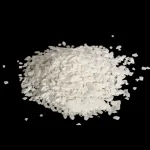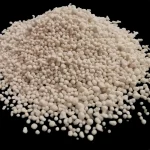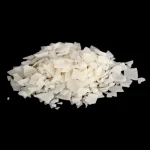
Winter maintenance professionals and property managers face a persistent challenge each season: maintaining safe, navigable surfaces without causing damage to infrastructure or the environment. The formation of ice on roads, walkways, parking lots, and entryways creates slip hazards that can lead to injuries, liability claims, and operational disruptions. Traditional approaches like sand application address traction but do not eliminate the ice itself, while mechanical removal is labor-intensive and often impractical for large areas.
The way municipalities and facility managers approach winter safety has shifted significantly over the past two decades. Manual chipping and abrasive spreading are giving way to more sophisticated chemical deicing strategies, driven by a better understanding of freeze-point depression chemistry and lifecycle cost analysis. The decision is no longer simply about melting ice—it is about selecting the right chemical agent for specific temperature ranges, surface types, and environmental conditions.
What makes something as seemingly simple as melting ice so complex? The answer lies in colligative properties and practical trade-offs. Not all ice melt chemicals work the same way, at the same speed, or at the same temperatures. Understanding the differences is essential for anyone responsible for winter safety planning.
Yes, ice melt chemicals can be used safely and effectively—if the correct material is selected for the specific application and environmental conditions. The key risks involve corrosion, concrete degradation, and vegetation damage, all of which can be managed through proper product selection and application techniques.
What This Article Covers
- The chemistry behind how ice melt chemicals work to lower the freezing point of water
- A detailed comparison of the five most common ice melt compounds used today
- Temperature performance ranges for each chemical type
- Bottom line: Selecting the right deicing agent requires balancing melting performance, temperature suitability, surface compatibility, and environmental impact.
How Do Ice Melt Chemicals Lower the Freezing Point of Water?
Ice melt chemicals function through a fundamental principle of physical chemistry called freezing point depression. When a solute dissolves in water, it interferes with the ability of water molecules to organize into the rigid crystalline structure of ice. This disruption means the solution must reach a lower temperature before freezing can occur.
What Is Freezing Point Depression and How Does It Work?
The mechanism is colligative, meaning it depends on the number of dissolved particles rather than their chemical identity. When Calcium Chloride (CaCl₂) dissolves, it dissociates into three ions—one calcium cation and two chloride anions. Sodium chloride (NaCl) dissociates into only two ions. More particles in solution mean a greater disruption of ice crystal formation, which is why calcium chloride is more effective at lower temperatures than sodium chloride on a weight-for-weight basis.
The process begins when a granule of ice melt chemical contacts the ice or snow surface. It attracts moisture from the air or begins dissolving into the thin liquid film that exists on ice surfaces even at sub-freezing temperatures. Once dissolution starts, the resulting brine spreads outward, breaking the bond between ice and pavement. This undercutting action is what allows mechanical removal to become far easier after chemical application.
Why Does Dissolution Rate Matter for Deicing Performance?
Dissolution rate determines how quickly a chemical can begin working. Compounds that are highly soluble and release heat when dissolving—Calcium Chloride is notably exothermic—start melting ice within minutes of application. Slower-dissolving materials may sit on the surface without visible effect, creating a window where pedestrian or vehicle traffic remains hazardous.
What Are the Main Types of Ice Melt Chemicals?
Five primary chemical compounds dominate the ice melt market, each with distinct performance characteristics, cost structures, and safety profiles. The following table provides a direct comparison of key parameters.
Ice Melt Chemical Comparison Table
| Chemical Compound | Lowest Effective Temperature | Exothermic Reaction | Typical Form | Relative Cost |
|---|---|---|---|---|
| Calcium Chloride | -25°F (-32°C) | Yes, strong | White pellets, flakes | High |
| Sodium Chloride | 15°F (-9°C) | No | White crystals | Low |
| Magnesium Chloride | -13°F (-25°C) | Mild | White flakes, liquid | Medium-High |
| Potassium Chloride | 20°F (-7°C) | No | Pink/white crystals | Medium |
| Calcium Magnesium Acetate | 20°F (-7°C) | No | White pellets | Very High |
How Does Calcium Chloride Compare to Sodium Chloride?
The difference between these two common deicers is substantial. Calcium Chloride generates heat upon contact with moisture through its exothermic dissolution reaction, allowing it to melt ice at temperatures where sodium chloride is completely ineffective. At 0°F (-18°C), calcium chloride can melt approximately 35% more ice per unit weight than sodium chloride can at 20°F (-7°C).
Sodium chloride, however, remains the most widely used deicer globally due to its abundance and low cost. For applications where temperatures rarely drop below 15°F, rock salt provides adequate performance at a fraction of the material cost. The trade-off is that sodium chloride is more corrosive to steel and more damaging to concrete through scaling and aggregate exposure.
Where Are Different Ice Melt Chemicals Applied?
Selection is heavily influenced by the application environment. The following decision framework helps match chemical types to their optimal use cases.
Choose Calcium Chloride when:
- Temperatures regularly drop below 15°F (-9°C)
- Fast-acting performance is critical for high-traffic areas
- The surface is concrete that must be protected from freeze-thaw damage
- Facilities have limited storage space (calcium chloride requires less material per square foot)
Choose Sodium Chloride when:
- Budget constraints are the primary consideration
- Winter temperatures rarely fall below 20°F (-7°C)
- The application area is asphalt with good drainage
- Large-scale road treatment is required
Choose Calcium Magnesium Acetate when:
- The area is near sensitive vegetation or waterways
- The application surface is a bridge deck or parking structure where chloride corrosion is unacceptable
- Airports or other facilities with strict environmental regulations
What Are the Environmental and Infrastructure Effects?
Any chemical introduced into the environment at scale will have effects that must be managed. Runoff from deicing operations enters soil, groundwater, and surface water through drainage systems and direct overland flow.
How Does Chloride Runoff Impact Soil and Water?
Research from the U.S. Geological Survey reports that "chloride concentrations in urban streams have increased substantially over the past two decades, with winter deicing identified as the primary source in northern regions." Concentrations above 230 mg/L can be toxic to aquatic organisms during chronic exposure, and levels in some urban watersheds have exceeded this threshold during winter melt events.
Vegetation damage occurs when chloride-laden spray from roadways contacts foliage or when soil chloride levels build up over multiple seasons. Symptoms include leaf scorch, needle browning on evergreens, and reduced root function. CMA offers a less damaging alternative, though its cost has limited widespread adoption.
Why Does Concrete Scaling Occur with Certain Deicers?
Concrete damage from deicers is primarily a physical process rather than a direct chemical attack on cement paste. Salt-laden water penetrates the concrete pore structure. When this solution freezes, it expands, creating internal pressure that exceeds the tensile strength of the concrete surface. Repeated freeze-thaw cycles cause progressive scaling and spalling.
The American Concrete Institute notes that "properly air-entrained concrete with a compressive strength of 4,000 psi or greater shows minimal scaling damage when exposed to deicing chemicals, regardless of the specific compound used." The quality of the concrete is often more determinative of damage than the choice of deicer.
How Much Do Ice Melt Chemicals Cost?
Pricing varies significantly based on regional availability, seasonal demand, and purchase volume. The figures below represent typical market reference values for bulk purchases in the continental United States.
Typical Cost Ranges by Chemical Type
| Chemical Type | Bulk Cost (per ton) | Coverage per Ton | Effective Cost per Application |
|---|---|---|---|
| Sodium Chloride | $50–$80 | ~10,000 sq ft | Low |
| Calcium Chloride | $300–$500 | ~15,000–20,000 sq ft | Medium |
| Magnesium Chloride | $200–$350 | ~12,000 sq ft | Medium |
| CMA | $600–$1,200 | ~8,000 sq ft | Very High |
The initial material cost tells only part of the story. Calcium Chloride requires lower application rates—typically 2–4 ounces per square yard versus 8–12 ounces for sodium chloride—reducing handling labor, storage space, and total material moved. When factoring in the damage costs from corrosion and concrete repair, lifecycle economics often favor higher-performance products for critical infrastructure.
How to Apply Ice Melt Chemicals Correctly
Proper application technique dramatically affects both performance and environmental impact. The goal is to apply the minimum amount needed to break the ice-pavement bond.
Pre-Application Checklist
- Verify the surface temperature, not just the air temperature, before selecting a product
- Clear loose snow mechanically before chemical application
- Ensure spreaders are calibrated to the specific product's granular size and density
- Pre-wet solid deicers with a liquid brine to improve adherence and speed activation
- Apply before freezing precipitation begins when possible (anti-icing strategy)
Step-by-Step Application Process
Step 1: Assess Conditions
Measure pavement temperature using an infrared thermometer. This determines product choice and application rate, not the visible amount of ice present.
Step 2: Calibrate Equipment
Set spreaders to the manufacturer-specified opening for the chosen product. Calcium Chloride pellets typically require a smaller gate opening than rock salt due to their higher density and smaller particle size.
Step 3: Apply Evenly
Distribute material in a consistent pattern with slight overlap on passes. Target 2–4 ounces per square yard for calcium chloride, adjusting upward for lower temperatures.
Step 4: Allow Working Time
Give the chemical 20–30 minutes to penetrate and undercut the ice layer. Faster-acting exothermic products like calcium chloride show visible brine channels within 10–15 minutes.
Step 5: Remove Slush
Once the bond is broken, remove the slush mixture mechanically. This prevents refreezing as a lumpy, hazardous surface.
Common Mistakes to Avoid When Using Ice Melt Chemicals
Over-application is the most frequent error. Applying more chemical than necessary does not accelerate melting proportionally—it increases runoff and environmental loading without proportional benefit. Calibrate equipment and follow manufacturer-recommended rates.
Using the wrong product for the temperature. Rock salt applied at 10°F will sit inert on the surface, creating a false sense of security. Match product capability to actual pavement temperatures, not forecast highs.
Ignoring surface type compatibility. New concrete less than one year old should not be exposed to chloride-based deicers. Ammonium-based products like ammonium sulfate or ammonium nitrate should never be used on concrete, as they chemically attack calcium silicate hydrate, the primary binding phase in cement paste.
Storing chemicals improperly. Most ice melt compounds are hygroscopic—they absorb moisture from the air. Unprotected stockpiles will cake, harden, and lose effective coverage. Store under cover on an impermeable surface.
Choosing the Right Ice Melt Chemical for Your Application
Selection begins with a clear assessment of your operational priorities. For facilities where temperature extremes are the primary concern and budget allows for higher material costs, Calcium Chloride offers the widest effective temperature range and the fastest activation. For large-scale applications where cost per ton dominates the decision, sodium chloride remains the standard choice, provided temperatures remain within its functional window.
Evaluate these factors when developing specifications:
- The 10-year low temperature for your geographic area, not the average winter low
- Proximity of application areas to steel structures, reinforcing bar, or electrical systems vulnerable to corrosion
- Regulatory requirements for stormwater discharge quality in your jurisdiction
- Whether integrated anti-icing (pre-storm application) or de-icing (post-storm application) will be the primary strategy
Conclusion
Ice melt chemicals operate through the well-understood physical principle of freezing point depression, with Calcium Chloride representing the highest-performing common option for extreme low-temperature conditions. The five main chemical types—calcium chloride, sodium chloride, magnesium chloride, potassium chloride, and calcium magnesium acetate—each occupy distinct niches in the performance-cost-environmental impact triangle.
The key takeaways are straightforward: match the product to the pavement temperature, not the air temperature; calibrate application rates carefully to minimize environmental loading; and recognize that concrete quality and age matter as much as deicer choice for infrastructure longevity. Effective winter maintenance combines chemical treatment with timely mechanical removal, and the best results come from planning that begins well before the first snowfall. For those managing facilities in regions with severe winter conditions, investing time in understanding these chemical differences yields measurable returns in safety, surface preservation, and operational efficiency.
FAQs
What are ice melt chemicals made of?
Ice melt chemicals are typically inorganic salts that dissolve in water and lower its freezing point. Common compounds include sodium chloride, Calcium Chloride, magnesium chloride, and potassium chloride. Some formulations include corrosion inhibitors or organic alternatives like calcium magnesium acetate.
How does calcium chloride melt ice faster than rock salt?
Calcium Chloride dissolves exothermically, releasing heat that accelerates the melting process. It also dissociates into three ions per molecule compared to two for sodium chloride, creating a stronger freezing point depression effect. These two factors combined give it a significant speed advantage.
Is calcium chloride safe for concrete driveways?
Calcium Chloride is generally safe for properly cured, air-entrained concrete that is at least one year old. It causes less scaling damage than sodium chloride because it requires less frequent freeze-thaw cycling to achieve the same melting result. New or poorly cured concrete should avoid all chloride-based deicers.
What temperature does calcium chloride stop working?
The practical lowest effective temperature for Calcium Chloride is approximately -25°F (-32°C). Below this point, the brine solution itself will freeze, and the chemical can no longer penetrate the ice surface.
Can ice melt chemicals damage plants?
Yes, chloride-based deicers can damage vegetation through foliar contact with salt spray and through soil accumulation.
- Sodium and chloride ions compete with nutrients for root uptake
- Symptoms include leaf margin scorch, stunted growth, and branch dieback
- Evergreens are particularly vulnerable because their foliage is present year-round
How long do ice melt chemicals last on surfaces?
Residual effect depends on precipitation and traffic. A single application typically provides protection for 24–48 hours under light traffic. Heavy rain or additional snowfall will dilute and wash away the brine layer, requiring reapplication.
What is the most environmentally friendly ice melt?
Calcium magnesium acetate (CMA) is the most biodegradable common deicer. It is non-corrosive to steel, does not contribute chloride ions to waterways, and biodegrades within 5–10 days at typical temperatures. Its primary drawback is cost, which can be 8–12 times higher than sodium chloride.
How should I store ice melt chemicals?
- Keep products in airtight containers or covered piles on impermeable surfaces
- Prevent contact with moisture, which causes caking and product loss
- Store different chemical types separately to prevent unintended mixing
- Maintain inventory rotation so older stock is used first
Does ice melt expire?
Ice melt chemicals do not have an expiration date in the traditional sense—they are mineral salts that remain chemically stable indefinitely. However, exposure to moisture causes clumping and reduced spreadability, and some liquid additives or corrosion inhibitors in blended products may degrade over 2–3 years.
Can I mix different types of ice melt?
Mixing different chemical types is generally not recommended unless the product is specifically formulated as a blend. Incompatible mixing can create unintended chemical reactions, reduce overall performance, or produce sludge that damages application equipment. If blending for specific temperature performance, consult the manufacturer's technical data sheets first.
How much ice melt do I need per square foot?
Application rates vary by product and temperature:
- Sodium chloride: 0.5–1.0 lb per 100 sq ft (light ice at moderate temperatures)
- Calcium chloride: 0.2–0.5 lb per 100 sq ft
- Magnesium chloride: 0.3–0.6 lb per 100 sq ft
- Heavier ice or lower temperatures require rates at the higher end of these ranges
What is the difference between ice melt and rock salt?
Ice melt is a category of chemical deicers that includes rock salt as one option.
- Rock salt is specifically sodium chloride, effective only above 15°F
- Packaged ice melt products often contain calcium chloride, magnesium chloride, or blended formulations for lower-temperature performance
- Premium ice melts may include corrosion inhibitors not present in plain rock salt
Is it safe to use ice melt chemicals around pets?
Most chloride-based deicers can irritate paw pads and cause gastrointestinal distress if ingested through grooming.
- Calcium chloride can generate enough heat during dissolution to cause discomfort on contact
- Look for pet-safe formulations that use urea, glycol-based compounds, or CMA
- Rinsing paws with warm water after exposure minimizes risk regardless of product used