Managing airborne particles is a relentless challenge on construction, mining, and unpaved road sites. Project managers often juggle tight deadlines, budget constraints, and stringent environmental regulations, all while trying to keep their sites operational and their teams safe. The wrong approach to suppression can lead to wasted resources, equipment damage, and serious compliance violations, turning a manageable problem into a project-wide crisis.
This comprehensive FAQ hub cuts through the confusion. We have gathered the 25 most common questions project managers ask about industrial suppression, from material science and application methods to cost analysis and regulatory compliance. Whether you are overseeing a mine haul road or a demolition site, the answers here will provide a clear, objective framework for decision-making.
Calcium chloride is safe for dust control when handled with standard personal protective equipment (PPE). The key risks involve skin and eye irritation from direct contact with the concentrated product, but it is not classified as a hazardous air pollutant and poses minimal risk to the public once applied to the road surface.

How Does Calcium Chloride Suppress Dust?
What Is the Chemical Mechanism Behind Calcium Chloride Dust Control?
Calcium chloride is a hygroscopic salt, meaning it naturally attracts and retains moisture from the surrounding air. When applied to a granular surface like a gravel road, it absorbs water vapor, keeping the fine dust particles consistently coated in a thin film of moisture. This process is called deliquescence, where the salt dissolves in the absorbed water to form a brine solution.
This brine’s high surface tension binds the aggregate particles together. Unlike plain water, which evaporates quickly under sun and wind, the calcium chloride solution has a much lower vapor pressure. This means the water evaporates far more slowly, providing long-term suppression that can last for weeks or months with a single application, depending on traffic and weather conditions.
Why Is Moisture Retention Critical for Effective Dust Control?
Fine dust particles become airborne because they lack the mass and moisture to stay bound to the road surface. A vehicle tire traveling at 40 mph can generate a plume over 200 feet long. The core principle of effective suppression is agglomeration—making small particles stick together and to the larger aggregate.
Moisture provides the cohesive force for this agglomeration. Calcium chloride continuously replenishes this moisture layer from humidity in the air, a key advantage over water-only treatments. This sustained moisture can reduce fine particulate matter (PM10) emissions by up to 90% compared to an untreated road, maintaining a compacted, stable surface that resists the shearing forces of vehicle traffic.
FAQs
What is the best chemical for dust control on unpaved roads?
The best-performing chemical for unpaved roads is usually a hygroscopic salt like calcium chloride. It outperforms other salts due to its ability to remain liquid and tacky across a wide range of humidity levels.
- Calcium Chloride: Works down to 20-25% relative humidity, actively pulling moisture from the air.
- Magnesium Chloride: Effective but requires a minimum of 30-35% relative humidity to remain active.
- Lignosulfonates: A tree-bark byproduct that binds particles but can become brittle and break down after drying.
How long does a calcium chloride dust control application last?
The effective lifetime of a single application varies from several weeks to over a year, driven primarily by traffic volume, application rate, and climate. A properly applied and bladed road can remain stabilized for extended periods with only minor maintenance.
- High-Traffic Mine Haul Roads: 2 to 4 months before a full reapplication is needed.
- Low-Traffic Gravel Roads: 6 to 12 months of effective control from one well-engineered treatment.
- Residential Driveways: Often lasts a full year with periodic light surface misting in dry spells.
Is calcium chloride better than magnesium chloride for dust control?
Calcium chloride is generally more effective in drier climates because of its superior hygroscopic properties. The choice depends heavily on your local weather patterns and average humidity.
- Calcium chloride releases heat as it dissolves (exothermic) and can pull moisture from the air at humidity levels as low as 20-25%.
- Magnesium chloride is endothermic and typically requires humidity above 30-35% to work effectively, making it a better fit for consistently humid regions.
How much does dust control cost per square foot?
Annual costs typically range from $0.10 to $0.30 per square foot for a standard unpaved road, with calcium chloride treatments often at the lower end of that spectrum. The total expense includes both material and precision application equipment.
- Material Cost: Liquid calcium chloride (35-38% solution) typically costs $1.50-$3.00 per gallon, with an application rate of 0.25-0.50 gallons per square yard.
- Labor & Equipment: A water truck with a spray bar can treat 50,000-75,000 square feet per day, adding $0.05-$0.10 per square foot.
- Lifecycle Savings: Annual watering can cost $0.50+ per square foot; a single chloride treatment replaces 50-100+ water truck passes, creating a 12-month net saving of 40-60%.
When should you apply calcium chloride for dust control?
The optimal application window is late spring after the road has shed its winter frost, but before summer heat peaks. This timing allows the product to fully activate and create a compacted, stabilized base.
- Surface Preparation: The road must be graded to a 3-4% crown for drainage.
- Material Reworking: The top 2-3 inches of aggregate should be scarified and mixed with the liquid chloride.
- Compaction: The treated material must be compacted to maximum density with a roller immediately after shaping.
How does traffic affect dust control performance?
Traffic is the primary mechanical force that degrades a treated road surface, directly correlating vehicle count and speed with material loss. A higher average daily traffic (ADT) means the binding agents are consumed faster.
- Light Traffic (Under 50 vehicles/day): A well-built treatment can last over a year.
- Moderate Traffic (50-200 vehicles/day): Typically requires 1-2 applications per year.
- Heavy Traffic (Over 200 vehicles/day): High-volume haul roads may need quarterly applications and frequent blading.
Is calcium chloride corrosive to vehicles and equipment?
Yes, calcium chloride is corrosive to exposed metals like steel and aluminum, though no more so than road salt. The corrosion risk is managed, not eliminated, by modern formulations and vehicle maintenance.
- Exposed Wiring: Can accelerate corrosion in electrical connections.
- Brake & Fuel Lines: The most vulnerable components on the undercarriage.
- Unpainted Steel: Chassis and suspension parts will develop surface rust if not washed regularly.
What are the environmental regulations for chemical dust suppressants?
Regulations are governed by a matrix of federal, state, and local authorities, primarily the EPA, which requires all dust suppressants to be virtually non-toxic to aquatic life.
- NPDES Permitting: Stormwater runoff from treated roads must not cause a violation of water quality standards.
- State DOT Specs: Most state Departments of Transportation publish an approved products list with maximum application rates.
- Soil Testing: Some jurisdictions require a pre-application soil analysis to determine the impact on soil structure and pH.
How do you calculate the application rate for liquid calcium chloride?
The standard method calculates the rate in gallons per square yard based on the target residual salt content and the existing moisture in the aggregate. A typical target is 0.5 to 1.0 lbs of pure calcium chloride per square yard per inch of treated depth.
- Determine Area: Measure the road length and width in feet to calculate square yards.
- Select Dosage: For a 2-inch treatment depth, you need 1.5 lbs of pure salt per square yard.
- Convert to Gallons: A 38% solution contains roughly 4.5 lbs of salt per gallon, so you divide the required salt by 4.5 to get the gallonage.
Is calcium chloride safe for pets and livestock?
In its applied, diluted state on a road, calcium chloride is considered a low risk. It is not an aromatic solvent and does not produce fumes. The primary safety concern is direct ingestion of the concentrated liquid or granules.
- Direct Contact: Can cause minor paw pad or skin irritation; wiping paws after walking on a freshly treated surface is advisable.
- Ingestion: Unlikely in significant quantities, but drinking from puddles of concentrated brine should be prevented.
- Dust Inhalation: By controlling road dust, it actually improves respiratory health for animals in the vicinity.
How do you maintain a calcium chloride treated road?
Maintenance focuses on preserving the road’s shape and reworking the top surface to reactivate the remaining salt. A light blading is the most critical maintenance step.
- Light Blading: Use a motor grader to lightly scarify the top 1-2 inches of the surface. This brings some of the sub-surface chloride back to the top.
- Spot Repairs: Fill potholes immediately with a pre-mixed aggregate and chloride blend.
- Surface Rejuvenation: A light topcoat spray of a diluted chloride solution can be applied mid-season in dry weather.
What are the most common causes of dust control plan failure?
The most common failure is not a product defect, but a failure in proper road base preparation and drainage engineering. An application is only as good as the road it is placed on.
- Poor Drainage: The #1 cause of failure. Standing water erodes the treated layer. A 3-4% crown is non-negotiable.
- Insufficient Material: Using too little binder to save upfront cost leads to rapid raveling.
- Wrong Aggregate: A road with too few fine particles has nothing to bind. The aggregate needs 10-20% fines passing a #200 sieve.
How do you test the effectiveness of a dust control program?
Effectiveness is quantified by measuring airborne particulate matter concentrations before and after treatment, using methods like EPA Method 9 for visual opacity or real-time aerosol monitors.
- PM10 Monitoring: A real-time dust monitor (e.g., TSI DustTrak) positioned downwind measures the micrograms per cubic meter (µg/m³) of respirable dust.
- Silt Loading Test: A sample of the road surface silt is collected and analyzed in a lab. A reduction from 5% to under 1% silt loading indicates excellent control.
- Visual Opacity: An observer certified in EPA Method 9 tracks the plume opacity percentage from a passing vehicle, with a target of under 10%.
What is the difference between calcium chloride flake and liquid for dust control?
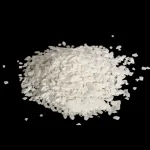
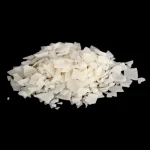
The chemical composition is nearly identical, but the form factor dictates the application method and activation time. Flakes are a solid concentrate (77-80% pure), while liquid is a pre-dissolved solution (30-38% pure).
- Liquid: Applies instantly, penetrates quickly, and activates immediately. Requires a water truck or dedicated spray rig.
- Flake: Spreads like fertilizer, is cheaper to ship (less water weight), but requires heavy rainfall or watering in to dissolve and migrate down into the surface.
Why does water alone fail as a long-term dust suppressant?
Water fails because it is a temporary bonding agent with a high evaporation rate. On a 90°F day with a 15 mph wind, a water truck pass can evaporate in as little as 20-40 minutes, leaving behind dry, loose particles that are even smaller and easier to lift into the air.
- High Surface Tension (While Wet): Excellent at binding when first applied.
- Zero Residual Effect: Once the water evaporates, the binding force drops to zero, and the road reverts to its pre-treated state.
- Negative Cycle: Frequent watering washes away fine binders, eventually destroying the road surface.
Who is responsible for dust control on a construction site?
Ultimate responsibility for an effective dust control plan rests with the general contractor or site owner, as specified in the project’s EPA NPDES stormwater permit. This legally binding document designates a “qualified person” responsible for inspections and corrective actions.
- Site Superintendent: Responsible for daily visual monitoring and record-keeping.
- Environmental Manager: Acts as the qualified person, responsible for EPA/state compliance and corrective actions.
- Subcontractors: Responsible for controlling dust from their own specific operations within the site.
How does cold weather affect calcium chloride treatments?
Cold weather does not deactivate calcium chloride, but it can change the road’s physical response to traffic. The brine’s freezing point is far lower than water, but freeze-thaw cycles in the base material can cause structural issues.
- Freeze-Thaw: A road treated in late fall may heave if water gets trapped under the treated layer and freezes.
- Bleeding: In spring, a treated surface can become slippery if the melting frost can’t drain through still-frozen ground below, causing the chloride to "bleed" to the surface.
Can you apply calcium chloride on a rainy day?
Applying on a rainy day or when heavy rain is forecast within 24 hours is not recommended. Rain dilutes the brine solution, causing the hygroscopic salt to wash away before it can properly bind to the road aggregate.
- Surface Runoff: A heavy downpour will cause significant runoff of the expensive chloride solution, leading to wasted product.
- Dilution Effect: The solution must stay at a high concentration to become tacky; rain dilutes it, reducing its ability to hold moisture.
- Application Window: Ideal conditions are when the road surface is damp from a light rain, but no standing water is present.
What type of aggregate works best with calcium chloride?
The ideal aggregate is a well-graded, angular material with a sufficient percentage of plastic or clay fines. These fines provide the material that the chloride binds together to form a hard, nearly impermeable pavement.
- Angular Shape: Crushed, jagged rock interlocks far better than smooth, rounded river gravel.
- Gradation: A mix of stone sizes from 1-inch down to fine dust (passing the #200 sieve), allowing particles to pack tightly.
- Fines Content: A minimum of 10-20% passing the #200 sieve is critical. Too few fines, and there is nothing for the chloride to bind.
How do you remove calcium chloride from vehicles?
The most effective and efficient method is a thorough, high-pressure undercarriage wash with fresh, clean water. Calcium chloride is a salt, so it dissolves completely in water, leaving no residue behind.
- Frequency: Wash immediately after the end of a work rotation in a treated area; at minimum, weekly.
- Method: Focus a high-pressure nozzle on the undercarriage, wheel wells, and any exposed metal components.
- Detergent: A mild car wash soap will help remove any oily road film that has trapped chloride particles, but plain water is sufficient to dissolve the salt.
Is a dust control permit required?
In most jurisdictions, any activity disturbing more than one acre of land requires a permit, specifically an EPA NPDES Construction General Permit for stormwater discharges. This permit mandates a Stormwater Pollution Prevention Plan (SWPPP) that explicitly describes suppression measures.
- Federal Level: The NPDES permit requires "dust control that minimizes the off-site tracking of sediments."
- Local Level: Many cities and counties have visible opacity limits (<20% opacity) and can issue a stop-work order.
- Air Quality Districts: Areas in non-attainment for PM10 may have additional, stricter fugitive dust rules.
What are the alternatives to calcium chloride for organic farming?
Organic farming operations near treated roads must use non-salt, biodegradable binders. The top alternatives, accepted by most organic certifiers, are water-absorbing polymers and organic petroleum-free oils.
- Psyllium Husk: A natural fiber that swells into a gel when wet, acting as a sticky binder for fines. It is plant-based and completely biodegradable.
- Soybean Oil Derivatives: Refined, emulsified soybean oil is a dust suppressant and is an acceptable non-synthetic substance per USDA organic regulations.
- Lignosulfonate: While a chemical byproduct, non-GMO sourced lignosulfonate is often permitted in organic systems as a binding agent.
How do you create a dust control plan for a mine site?
A mine dust control plan is a formal, written document that integrates material selection, water management, and real-time air quality monitoring, all governed by MSHA standards. It must outline specific, measurable actions for every source of dust.
- Source Inventory: Map every source: haul roads, crushers, conveyor transfer points, and stockpiles.
- Chemical Management Plan: Specify the suppressant type, target application rate in gallons per square yard, and frequency for each area.
- Monitoring Schedule: Detail the use of real-time PM10 monitors at the property boundary, with trigger levels for immediate corrective action.
What is the shelf life of liquid calcium chloride?
Liquid calcium chloride has an indefinite shelf life if stored correctly in a sealed, compatible container. The product itself does not degrade, but contamination and dilution from improper storage are the main risks.
- Container: Must be high-density polyethylene (HDPE) or fiberglass; steel tanks will corrode rapidly.
- Contamination: Keep the tank sealed to prevent dirt and organic debris from entering.
- Concentration: In an unsealed tank, water can evaporate, causing the concentration to increase and potentially crystallize.
Can I apply calcium chloride with a standard water truck?
Yes, a standard water truck can be used effectively if it is equipped with a calibrated spray bar and a centrifugal or positive displacement pump. The spray pattern must be adjusted to prevent pooling and ensure uniform coverage.
- Calibration: The truck's output in gallons per minute must be known to calculate the correct ground speed for the target application rate.
- Spray Height: Nozzles should be set 18-24 inches above the road surface to create a full, overlapping fan pattern.
- Agitation: Some liquid chloride solutions need recirculation within the tank before spraying to ensure a homogeneous mix.
Conclusion
This dust control FAQ has addressed the 25 most common questions, from the chemical mechanism of calcium chloride to application methods and cost analysis. The core takeaways are that effective suppression depends on matching the right hygroscopic material to your specific climate, prioritizing road base and drainage engineering over product selection, and committing to a proactive maintenance schedule. For project managers navigating these decisions, the long-term operational savings and guaranteed regulatory compliance of a professionally engineered program far outweigh the initial planning investment.