Modern industrial sites, agricultural operations, and rural municipalities face a persistent challenge: fugitive dust emissions from unpaved roads and worksites. When procurement teams evaluate calcium chloride vs magnesium chloride, they are looking for solutions that maintain safety and compliance while controlling operational costs. Traditional water spraying is no longer enough to meet modern efficiency standards.
As we move into 2026, regulatory scrutiny on particulate matter emissions has intensified across all industrial sectors. Selecting the wrong hygroscopic chemical can lead to rapid evaporation, toxic runoff, or accelerated vehicle corrosion, making the initial evaluation process critical for long-term site management and budget preservation.
Calcium chloride is highly effective for rapid dust knockdown if applied in extremely cold or dry climates. The key risks are high metal corrosion and potential damage to nearby vegetation. Conversely, magnesium chloride provides a superior long-term solution when environmental sensitivity, vegetation protection, and lower infrastructure corrosivity are the primary concerns. The main causes for these differences lie in their distinct deliquescence points and molecular structures.
How Calcium Chloride vs Magnesium Chloride Suppress Dust
Both of these compounds are hygroscopic, meaning they actively attract and absorb moisture from the surrounding atmosphere. Once applied to an unpaved surface, they resist evaporation and keep the soil surface consistently damp. This continuous moisture binds fine dust particles together, increasing their mass and preventing them from becoming airborne under heavy vehicle traffic or high winds.
The effectiveness of any chemical dust suppressant depends heavily on ambient relative humidity and temperature. The FHWA reports that "proper application of chemical dust suppressants can reduce unpaved road emissions by up to 80%." Achieving this metric requires matching the chemical's thermodynamic properties to the specific regional climate of the application site rather than defaulting to the lowest initial cost per ton.
Environmental Impact of Calcium vs Magnesium Chloride
When managing extensive networks of unpaved roads, the ecological footprint of chemical applications becomes a primary regulatory concern. Both compounds are naturally occurring salts, but their interactions with local flora and fauna differ significantly over continuous application seasons.
Phytotoxicity Differences: Protecting Surrounding Vegetation
Magnesium is a vital macronutrient required for plant photosynthesis. While high concentrations of any salt can stress plant life, magnesium chloride (MgCl₂) generally poses a much lower risk of phytotoxicity compared to other chlorides. When runoff occurs during heavy rainfall, MgCl₂ is less likely to burn adjacent agricultural crops, forest vegetation, or sensitive aquatic ecosystems. This makes it a preferred choice for national parks and agricultural access routes where plant health is tightly monitored.
Soil Alkalinity: Long-Term Ecological Considerations
Calcium chloride (CaCl₂) introduces high levels of calcium into the surrounding soil matrix. Over multiple application seasons, this can alter the local soil chemistry, potentially creating hostile alkaline conditions for native plant species. Procurement teams managing ecologically sensitive zones must carefully monitor application rates to prevent long-term soil sterilization along road shoulders and drainage ditches.
How These Dust Suppressants Perform in Extreme Climates
The defining technical difference between these two chemicals is their thermodynamic behavior and moisture-absorption thresholds. Matching these properties to the site's regional climate is non-negotiable for operational success.
Freezing Point Limits: Winter Operations
One of the most significant advantages of calcium chloride is its exothermic property. When it dissolves in water or absorbs moisture, it actively releases heat. It remains effective in severe freezing conditions, resisting freezing down to -25°F (-31°C). In terms of freezing resistance, -25°F CaCl₂ ≈ 5°F MgCl₂. For mining haul roads operating in high-latitude environments, CaCl₂ ensures that the treated surface remains stable and workable even as temperatures plummet.
Deliquescence Activation: Low Humidity Environments
Calcium chloride boasts an aggressively low deliquescence point. It begins absorbing moisture from the air when relative humidity reaches as low as 29%. Magnesium chloride requires a slightly higher threshold, activating around 32% relative humidity. In exceptionally arid desert climates where ambient moisture is scarce, calcium chloride will out-perform magnesium by pulling the minimal available moisture faster, ensuring the road remains bound.
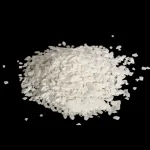
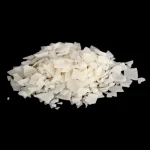
[Image: Close-up of hygroscopic chloride action on soil particles retaining moisture. Alt: Hygroscopic mechanism of calcium chloride vs magnesium chloride on unpaved roads]
Procurement Cost Analysis for Dust Suppressants
Evaluating the true cost of a dust control program requires analyzing the secondary financial impacts on heavy machinery alongside the bulk chemical pricing.
Cost Influence Factors
| Cost Variable | Impact on Total Budget | Mitigation Strategy |
| Machinery Corrosion | High | Implement strict fleet washing schedules; opt for MgCl₂ |
| Reapplication Frequency | High | Ensure proper grading and pre-wetting before application |
| Water Truck Labor | Medium | Transition from daily watering to bi-annual chemical applications |
Typical Market Reference Costs (2026 Projections)
Note: The following are typical market reference values and fluctuate based on regional freight and seasonal demand.
| Application Scenario | Calcium Chloride (CaCl₂) | Magnesium Chloride (MgCl₂) |
| Standard 30-35% Liquid Solution | $0.85 - $1.20 per gallon | $0.90 - $1.30 per gallon |
| Dry Flake/Crystal Bulk | $350 - $450 per ton | $380 - $480 per ton |
Calcium Chloride vs Magnesium Chloride: Operational Comparison
For a rapid technical assessment, the following table breaks down the core operational metrics of both chemical solutions based on typical industrial standards.
| Evaluation Dimension | Calcium Chloride (CaCl₂) | Magnesium Chloride (MgCl₂) |
| Activation Humidity Threshold | 29% Relative Humidity | 32% Relative Humidity |
| Effective Freezing Point | -25°F (-31°C) | 5°F (-15°C) |
| Corrosivity to Machinery | High | Moderate |
| Risk to Local Vegetation | High | Low (Contains plant nutrients) |
| Ideal Application Climate | Arid, extreme sub-zero cold | Moderate, humid, ecologically sensitive |
Choosing the Right Suppressant: A Decision Matrix
Selecting the optimal chemical requires a strict assessment of site requirements. Use the following framework to guide procurement decisions.
Choose Calcium Chloride when:
- The application site is located in an extremely dry environment with relative humidity frequently dropping below 30%.
- Operations continue through harsh winter climates with temperatures dropping well below freezing.
- Immediate, aggressive dust knockdown is required to maintain visibility for heavy-haul mining traffic.
- Nearby vegetation and soil ecology are not the primary regulatory concerns for the site.
Choose Magnesium Chloride when:
- The unpaved road passes directly through agricultural land, protected forests, or near vulnerable water bodies.
- Minimizing corrosion on expensive mining fleets, municipal vehicles, or exposed steel structures is a high priority.
- The regional climate is temperate, with average summer humidity levels consistently remaining above 32%.
- Procurement goals prioritize long-term sustained moisture retention and environmental compliance over rapid initial knockdown.
Conclusion
When evaluating calcium chloride vs magnesium chloride for industrial dust control, the optimal choice hinges entirely on site-specific climate data and environmental regulations. Both compounds deliver substantial improvements over traditional watering methods, significantly reducing fugitive dust and lowering long-term labor costs. However, their molecular differences dictate their ideal use cases. Calcium chloride excels in sub-zero temperatures and highly arid conditions due to its aggressive moisture absorption and exothermic properties. Conversely, magnesium chloride offers a safer, moderately less corrosive alternative that protects agricultural borders and reduces heavy fleet degradation. The right choice depends on your regional humidity constraints and ecological sensitivity. Start by assessing your historical climate data and fleet vulnerability before comparing bulk purchasing options.
FAQs
What is the main difference between calcium chloride vs magnesium chloride?
The primary difference lies in their operational thresholds and environmental toxicity. Calcium chloride works at lower humidity levels (29%) and much colder temperatures, making it highly aggressive. Magnesium chloride requires slightly higher humidity (32%) but is significantly safer for nearby vegetation and moderately less corrosive to metal vehicles.
How does calcium chloride suppress dust on dirt roads?
Calcium chloride is strongly hygroscopic, meaning it absorbs moisture directly from the air to keep the unpaved road surface constantly damp. This retained moisture binds loose soil and gravel particles together, preventing them from becoming airborne dust when heavy machinery drives over the surface.
Is magnesium chloride safe for the environment and local wildlife?
Yes, it is generally considered safe when applied strictly at recommended rates. Because magnesium is a natural macronutrient for plants, this specific chloride is less toxic to roadside vegetation and agricultural crops than other harsh chemical suppressants, minimizing ecological disruption.
When should procurement teams choose calcium over magnesium suppressants?
Procurement teams should select calcium chloride when the application site experiences extremely arid conditions or when operations continue through harsh winter climates where temperatures regularly drop well below freezing, as it resists freezing down to -25°F.
How long does a standard magnesium chloride treatment last?
A standard application typically lasts between three to six months. The exact duration depends heavily on ambient weather conditions, the volume of heavy vehicle traffic, and the structural quality of the road base. Heavy, continuous rains can dilute the chemical faster.
Is calcium chloride better than magnesium chloride for winter haul roads?
Yes, calcium chloride is vastly superior for winter operations. It possesses an exothermic reaction that actively releases heat when absorbing moisture, allowing it to resist freezing down to -25°F (-31°C). Magnesium chloride begins to lose effectiveness as temperatures approach 5°F (-15°C).
What are the risks of using high-concentration chloride solutions?
If over-applied, high-concentration chlorides can create a dangerously slick, muddy road surface that drastically reduces vehicle traction. Additionally, excessive application increases the risk of concentrated chemical runoff entering nearby freshwater streams, raising local salinity levels.
How effective is pre-wetting before chemical dust suppressant application?
Pre-wetting is highly effective and strongly recommended by industry standards. Lightly dampening the road surface breaks the soil's surface tension, allowing the chemical solution to penetrate deeply into the aggregate base rather than pooling on top, where it could easily wash away.
Who should apply industrial-grade hygroscopic dust suppressants?
Application should be handled by trained maintenance personnel or specialized contractors using calibrated spray trucks. Proper application requires precise vehicle speed and spray bar pressure to ensure an even coating, typically ranging from 0.3 to 0.5 gallons per square yard.
Where is the best environment for magnesium chloride applications?
The ideal environment for magnesium chloride is a temperate or moderate climate with relative humidity consistently remaining above 32%. It is particularly suited for forestry roads, agricultural access routes, and municipal parks where protecting adjacent plant life is a high priority.