Dust control costs vary widely depending on the treatment method, material selection, application frequency, road conditions, and project scale. For procurement teams responsible for industrial sites, mines, construction projects, and unpaved roads, understanding the true cost goes far beyond comparing the price per ton of a dust suppressant.
Many organizations focus primarily on upfront material prices, only to discover that repeated applications, equipment downtime, water consumption, environmental compliance, and maintenance expenses significantly increase the total cost of ownership. Evaluating dust control cost requires considering both direct and indirect operating expenses throughout an entire maintenance cycle.
Whether planning annual maintenance budgets or comparing alternative dust suppression technologies, procurement professionals need a structured pricing framework rather than relying solely on supplier quotations. This guide explains the major cost drivers, compares common dust control methods, and outlines practical strategies for balancing cost with long-term performance.
Quick Answer
Dust control cost depends on five primary variables: treatment material, application rate, treatment frequency, project size, and environmental conditions. Typical annual costs range from less than US$0.10 per square meter for periodic watering to US$2.00 per square meter or more for premium long-lasting suppressants. The lowest material price does not necessarily produce the lowest overall operating cost.
What Determines Dust Control Cost?
No universal price applies to every dust control project. Instead, total expenditures result from multiple interacting factors throughout the treatment lifecycle.
Material Selection
The dust suppressant itself represents the most visible cost component.
Common categories include:
| Dust Control Method | Typical Material Cost | Expected Service Life | Relative Initial Cost |
|---|---|---|---|
| Water | Very Low | Hours to 1 day | Lowest |
| Calcium chloride | Moderate | Several weeks to months | Medium |
| Magnesium chloride | Moderate to High | Several weeks to months | Medium-High |
| Lignosulfonate | Moderate | Several weeks | Medium |
| Synthetic polymer | High | Months to over one year | High |
Although water has the lowest purchase cost, it generally requires continuous reapplication, substantially increasing annual operating expenses.
Application Rate
Application rate directly affects project cost.
Typical application rates include:
- Light traffic roads: approximately 0.5–1.0 L/m²
- Medium-duty industrial roads: 1.0–2.0 L/m²
- Heavy mining haul roads: 2.0–4.0 L/m²
- Initial stabilization treatments generally require more material than maintenance applications.
Higher traffic volumes or loose aggregate surfaces often require increased application rates to maintain acceptable dust suppression performance.
Treatment Frequency
Frequency has one of the largest impacts on annual budgets.
Typical maintenance schedules include:
| Treatment Method | Typical Reapplication Frequency |
|---|---|
| Water | Daily or multiple times per day |
| Calcium chloride | Every several weeks to several months |
| Magnesium chloride | Every several weeks to several months |
| Polymer products | Several months to one year depending on conditions |
Reducing application frequency often lowers labor costs, equipment operating hours, and production interruptions.
Climate and Environmental Conditions
Local weather significantly influences treatment longevity.
Environmental variables include:
- Average annual rainfall
- Relative humidity
- Temperature fluctuations
- Wind exposure
- Road drainage quality
- Soil composition
For example, hygroscopic materials generally perform more effectively in regions with moderate atmospheric humidity than in extremely arid climates.
Project Size
Economies of scale frequently reduce unit costs.
Larger projects may benefit from:
- Lower transportation costs per ton
- Reduced equipment mobilization costs
- Bulk purchasing discounts
- Improved contractor efficiency
Conversely, small projects often experience higher unit costs because fixed mobilization expenses are spread across fewer treated areas.
How Much Does Dust Control Cost by Application Method?
While exact pricing varies by country, transportation distance, supplier, and market conditions, procurement teams commonly compare solutions using annual treatment cost rather than material price alone.
The following table illustrates typical market reference ranges.
| Dust Control Method | Initial Cost | Maintenance Frequency | Estimated Annual Cost* | Typical Applications |
|---|---|---|---|---|
| Water | Very Low | Very High | Low to Medium | Temporary construction activities |
| Calcium chloride | Medium | Low | Medium | Gravel roads, mining roads, industrial yards |
| Magnesium chloride | Medium-High | Low | Medium | Roads with moderate humidity |
| Lignosulfonate | Medium | Moderate | Medium | Forestry roads, temporary roads |
| Synthetic Polymer | High | Very Low | Medium to High | Long-term stabilization projects |
*Typical market reference values. Actual costs vary depending on project conditions, logistics, dosage, climate, labor rates, and local market pricing.
Why Initial Price Can Be Misleading
Many purchasing decisions begin by comparing supplier quotations on a per-ton basis. However, this approach overlooks several significant cost categories that accumulate throughout the project lifecycle.
Indirect costs often include:
- Equipment operation
- Fuel consumption
- Labor expenses
- Water sourcing
- Traffic control
- Production interruptions
- Environmental compliance
- Surface maintenance
- Reapplication logistics
A treatment that costs 30% more initially may reduce annual maintenance visits by half, resulting in a lower overall dust control cost over an entire operating season. Procurement evaluations should therefore consider lifecycle economics instead of purchase price alone.
Why Does Total Cost Extend Beyond Material Price?
Material cost is only one component of a complete dust management budget. Procurement teams increasingly evaluate total cost of ownership (TCO) to understand the financial impact of different dust suppression strategies over an entire operating cycle.
A simplified lifecycle cost assessment typically includes:
| Cost Component | Typical Considerations |
|---|---|
| Material Purchase | Product price, dosage, freight |
| Transportation | Delivery distance, fuel surcharge, unloading |
| Equipment | Spray trucks, pumps, maintenance |
| Labor | Operators, supervisors, overtime |
| Water Supply | Water sourcing, pumping, storage |
| Reapplication | Frequency throughout the season |
| Operational Impact | Road closures, production delays |
| Environmental Compliance | Dust monitoring, regulatory requirements |
For many industrial facilities, indirect operating expenses can represent a substantial share of the annual dust management budget. Evaluating suppliers and treatment methods using a total-cost perspective helps procurement teams identify solutions that balance upfront investment with long-term operational efficiency.
Why Does Material Type Change Overall Dust Control Cost?
Different dust suppressants follow different performance mechanisms, directly affecting application frequency, maintenance requirements, and long-term operating costs. Procurement teams should compare products based on lifecycle value rather than purchase price alone.
Water
Water remains the simplest and lowest-cost option in terms of initial application.
However, its limitations are well known:
- Rapid evaporation during hot weather
- Minimal binding effect on fine particles
- Frequent reapplication requirements
- High labor and equipment utilization
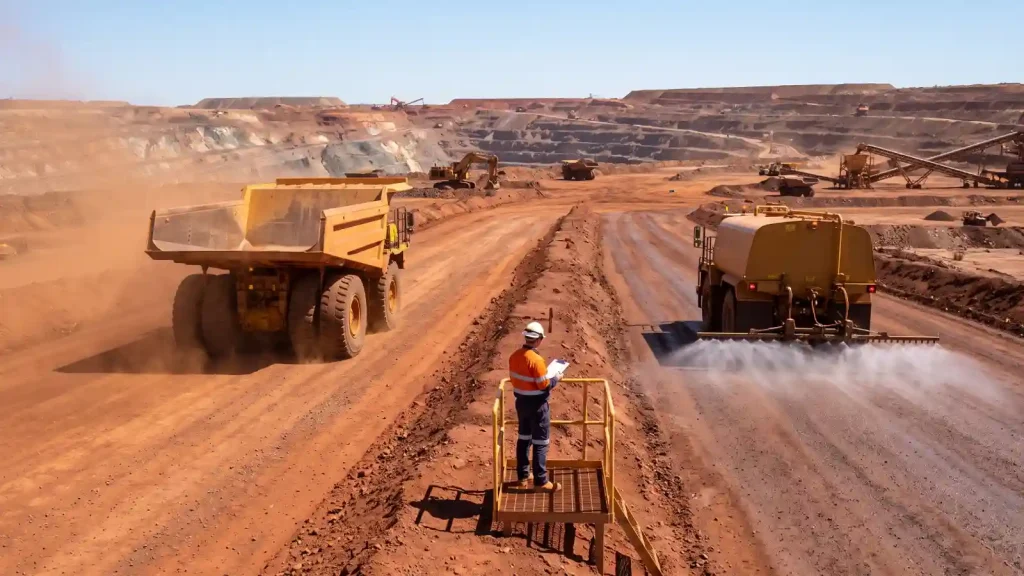
For temporary construction work lasting only a few days, watering may be sufficient. For permanent industrial roads, repeated watering often becomes one of the most expensive solutions over an entire season.
Calcium Chloride
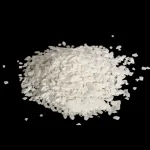
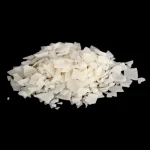
Calcium chloride attracts moisture from the surrounding air, helping road surfaces remain damp for longer periods.
Typical advantages include:
- Longer treatment intervals than water
- Reduced airborne dust emissions
- Lower annual labor requirements
- Suitable for high-traffic gravel roads
Its overall cost effectiveness depends on humidity, rainfall patterns, traffic intensity, and proper application rates.
Magnesium Chloride
Magnesium chloride functions similarly to calcium chloride but may perform differently under specific climatic conditions.
Procurement evaluations generally consider:
- Local humidity
- Surface material compatibility
- Environmental regulations
- Transportation distance
- Product availability
In regions with suitable environmental conditions, magnesium chloride can provide comparable lifecycle costs.
Lignosulfonates
Lignosulfonates are organic binders commonly used on forestry roads and temporary access roads.
Characteristics include:
- Moderate material cost
- Surface binding capability
- Biobased origin
- Periodic maintenance requirements
Performance may decline more rapidly under heavy rainfall or extremely high traffic volumes.
Synthetic Polymers
Polymer-based suppressants generally require the highest initial investment but may provide the longest service life.
Potential benefits include:
- Reduced application frequency
- Improved surface stabilization
- Lower maintenance interruptions
- Longer maintenance cycles
Their economic value often increases on roads where equipment mobilization is expensive.
How Much Does Dust Control Cost Across Different Industries?
Actual budgets vary considerably depending on operating conditions. The following table provides Typical Market Reference Values for planning purposes only.
| Industry | Typical Treatment Area | Relative Annual Cost | Main Cost Drivers |
|---|---|---|---|
| Surface Mining | Large haul roads | High | Heavy traffic, large equipment |
| Construction Sites | Temporary roads | Low to Medium | Project duration |
| Agriculture | Farm roads | Low | Seasonal operation |
| Industrial Facilities | Internal roads | Medium | Continuous traffic |
| Ports & Logistics Centers | Container yards | Medium to High | Dust compliance requirements |
Rather than comparing industries directly, procurement teams should evaluate costs according to:
- Annual traffic volume
- Surface material
- Required dust reduction level
- Maintenance schedule
- Weather exposure
How to Reduce Dust Control Costs Without Reducing Performance
Reducing dust control cost does not necessarily mean choosing the cheapest product. Instead, effective procurement focuses on minimizing total operating expenses while maintaining acceptable dust suppression performance.
Procurement Cost Reduction Checklist
✔ Evaluate annual lifecycle cost instead of unit price.
✔ Compare expected treatment lifespan rather than only initial application cost.
✔ Standardize application procedures to avoid overuse.
✔ Monitor weather forecasts before scheduling applications.
✔ Improve road grading and drainage before treatment.
✔ Review historical maintenance records annually.
✔ Purchase based on seasonal demand forecasts to improve inventory planning.
✔ Measure dust performance using consistent site inspection criteria.
These practices help reduce unnecessary material consumption while improving budget predictability.
Dust Suppressants vs Water: Which Costs Less Over Time?
Although water appears to be the least expensive option initially, long-term operating costs often tell a different story.
| Evaluation Factor | Water | Chemical Dust Suppressant |
|---|---|---|
| Initial Material Cost | Lowest | Higher |
| Application Frequency | Very High | Low |
| Equipment Operating Time | High | Lower |
| Labor Requirement | High | Lower |
| Water Consumption | Very High | Low |
| Traffic Disruption | Frequent | Less Frequent |
| Annual Maintenance Cost | Often Higher | Often Lower |
For operations requiring dust suppression over several months, repeated watering can generate significant indirect expenses through labor, equipment operation, fuel consumption, and production interruptions.
By contrast, longer-lasting treatments may require a higher upfront investment but reduce maintenance frequency and improve operational continuity. The most economical solution depends on lifecycle performance rather than initial purchase price alone.
Cost Reduction Strategies Procurement Teams Should Prioritize
When preparing annual procurement plans, purchasing departments should evaluate suppliers and treatment methods using measurable criteria rather than focusing exclusively on quoted prices.
Consider prioritizing suppliers that can demonstrate:
- Consistent product quality supported by recognized testing standards.
- Stable supply capacity throughout the operating season.
- Clear technical guidance on application rates and maintenance intervals.
- Transparent documentation regarding environmental and safety compliance.
- Historical performance data from comparable operating environments.
A structured evaluation process reduces procurement risk and helps ensure that selected dust control programs deliver predictable long-term costs instead of unexpected maintenance expenses.
Conclusion
Dust control cost should be evaluated using a lifecycle perspective rather than material price alone. The most economical solution depends on application frequency, labor requirements, equipment utilization, environmental conditions, and the expected service life of the treatment. Procurement decisions that consider only the lowest purchase price may ultimately result in higher annual operating expenses.
For most industrial applications, comparing total cost of ownership—including material, transportation, labor, maintenance, and operational impacts—provides a more accurate basis for decision-making. Before selecting a dust suppression strategy, define your performance requirements, estimate annual maintenance needs, and compare solutions using consistent evaluation criteria rather than unit price alone.
FAQs
What is the average dust control cost for industrial roads?
The average dust control cost varies depending on the treatment method, traffic level, and local climate. Temporary watering programs generally have the lowest upfront expense, while chemical suppressants require a higher initial investment but may reduce annual maintenance costs.
- Water is suitable for short-term applications.
- Chemical suppressants typically require fewer treatments.
- Total annual cost should include labor and equipment expenses.
How much does calcium chloride dust control typically cost?
Costs vary by region, application rate, transportation distance, and market conditions. Procurement teams should compare delivered cost together with expected treatment lifespan rather than focusing solely on product price.
- Material price
- Freight cost
- Required application rate
- Expected maintenance interval
Is dust control cheaper than repeated watering?
In many long-term industrial applications, yes. Although watering has a lower initial cost, repeated applications increase labor, equipment operation, fuel use, and water consumption. Over an entire operating season, longer-lasting suppressants may offer a lower total cost of ownership.
- Reduced application frequency
- Lower labor demand
- Less operational interruption
Which factors have the greatest impact on dust control pricing?
Several variables influence project costs more than product price alone.
- Project size
- Climate conditions
- Traffic intensity
- Surface material
- Maintenance schedule
Projects with heavy vehicle traffic generally require more frequent maintenance than lightly used access roads.
What is included in a dust control budget?
A complete budget should include both direct and indirect costs rather than considering only the purchase price of treatment materials.
Typical budget categories include:
- Material procurement
- Transportation and logistics
- Equipment operation
- Labor
- Maintenance and reapplication
Ignoring indirect expenses can lead to significant underestimation of annual project costs.
When should procurement teams compare lifecycle cost instead of unit price?
Lifecycle costing is particularly valuable for projects expected to operate over several months or years. It provides a more realistic picture of long-term expenditures by accounting for maintenance frequency, equipment use, and operational efficiency instead of focusing only on the initial purchase.
Which dust suppressant lasts the longest?
Service life depends on weather, traffic, application quality, and road conditions. Polymer-based suppressants often provide the longest maintenance intervals, while hygroscopic salts and organic binders may require more frequent reapplication under demanding conditions.
- Climate
- Vehicle traffic
- Surface condition
Can weather significantly affect dust control cost?
Yes. Rainfall, humidity, wind, and temperature all influence treatment longevity and maintenance frequency.
- Heavy rain may shorten treatment life.
- Dry climates often increase evaporation.
- Strong winds can accelerate surface wear.
Selecting a treatment suitable for local environmental conditions can improve cost efficiency.
How can companies reduce annual dust control expenses?
Reducing annual costs generally involves improving maintenance planning rather than simply purchasing less material.
- Optimize application timing.
- Improve road grading and drainage.
- Monitor treatment performance regularly.
Consistent preventive maintenance often costs less than frequent corrective treatments.
What should buyers ask suppliers before requesting quotations?
Purchasing decisions should compare more than product price. Asking detailed technical questions helps procurement teams estimate lifecycle costs and reduce operational risk.
Questions may include:
- What application rate is recommended?
- How long is the expected service life?
- What maintenance interval is typical?
- What testing standards support the performance data?