Winter weather presents a persistent operational challenge. For facility managers, municipal planners, and supply chain directors, the decision of whom to buy de-icing materials from is a critical annual calculation. A poor choice leads to delayed shipments, inconsistent product performance, and hidden costs that erode a winter maintenance budget. The problem is rarely the ice melt itself, but the reliability and expertise of the source providing it.
The landscape of bulk chemical supply has shifted. Price volatility in raw materials, logistical bottlenecks, and variable seasonal demand all complicate procurement. Traditional transactional relationships with distributors are giving way to partnerships where technical support, storage consultation, and just-in-time delivery are the differentiating factors. A supplier is no longer just a vendor; they are a risk management ally.
Navigating this market requires a clear-eyed evaluation framework. The strongest contracts are built on technical specifications, verifiable performance data, and supply chain transparency, not just the lowest price per ton. This guide breaks down the essential criteria for selecting a partner that will keep your operations safe, compliant, and moving through the worst conditions.
Calcium chloride is a safe and highly effective de-icer when handled correctly. The key risks are skin or eye irritation from direct contact, and the potential for environmental harm through runoff, both of which are fully mitigated by following standard safety data sheet (SDS) protocols, proper training, and using the correct application rates. The main causes of misuse stem from over-application and a lack of basic personal protective equipment (PPE). The following framework explains how to identify a supplier who helps you manage these factors proactively.
What This Article Covers
- The commercial factors that differentiate a transactional vendor from a true ice melt supplier partner
- Why the purity and formulation of Calcium Chloride directly impact your operational efficiency and infrastructure
- A technical breakdown of product forms, from flake to pellet, and their optimal use cases
- A practical checklist for auditing potential suppliers against safety, logistical, and regulatory standards
- A decision matrix to help you select the right supplier type for your specific needs
- Bottom line: The right supplier is a risk mitigation partner who provides consistent, high-purity Calcium Chloride, logistical reliability during weather events, and verifiable quality control documentation, not just the lowest bid.
What Is an Ice Melt Supplier Beyond a Distributor?
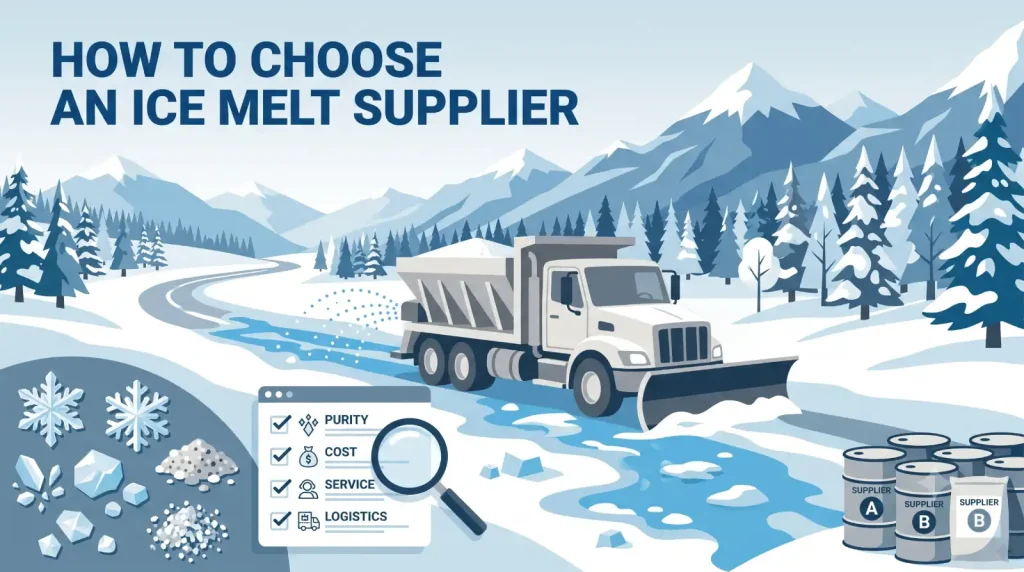
A common mistake is conflating a logistics provider with a true material partner. A transactional distributor moves pallets from a manufacturer to a loading dock. Their primary value is warehousing and shipping. An expert ice melt supplier operates as an extension of your operations team. They provide formulation guidance, predict seasonal demand spikes to secure your allocation, and offer on-site technical support for calibration and storage best practices.
The difference manifests during critical events. When a back-to-back storm cycle drains regional inventories, a commodity broker will be unable to fulfill orders, as they lack deep relationships with upstream producers. An integrated supplier, conversely, has contingency plans, often with pre-negotiated secondary sourcing and diversified logistics options. Supply chain resilience is the primary value-add you are paying for, and it must be written into service-level agreements (SLAs).
This partnership also extends to liability. A knowledgeable supplier maintains robust product liability insurance and provides the technical documentation needed for your incident reports. They can advise on the specific application rates needed to meet environmental discharge permits, a service that moves the relationship from cost center to compliance partner. In a market where 15-20% price swings are common from November to February, this advisory capacity is a tangible asset.
Calcium Chloride Purity and Formulation: Why Specifications Matter
Not all Calcium Chloride is created equal. The critical specification on any data sheet is the purity percentage, typically ranging from 77% to 94% for commercial de-icing products. This single number dictates performance more than any other factor. A 77% flake material will require significantly more product by weight to achieve the same ice-melting capacity as a 94% pellet, and it introduces more impurities, primarily sodium chloride, which accelerates rebar corrosion in concrete.
The chemistry is straightforward. Calcium chloride generates heat as it dissolves, an exothermic reaction that initiates the melting process. Higher purity material reacts more aggressively and generates more liquid brine per pound, which breaks the ice-pavement bond faster. Lower-purity materials work slower and require more mechanical removal to achieve the same result. This has a direct operational cost impact, as application rate efficiency is a function of purity.
A supplier must provide a Certificate of Analysis (CoA) with every shipment. This document verifies the actual purity of that batch, not a general product claim. Smart procurement teams record this batch-level data alongside application rate and weather metrics. Over a season, this dataset reveals the true performance value of a supplier's material. A supplier who sources from multiple production plants can ensure consistent CoAs even if one source has a quality deviation, a layer of protection that simplifies your internal quality assurance. If a supplier hesitates to provide this data, their product’s performance consistency is unverified.
Calcium Chloride Flake vs. Pellet: Which Formulation Matches Your Application?
The physical form of Calcium Chloride is a primary determinant of its practical use case. The choice between flake and pellet is not cosmetic; it controls dissolution speed, spreading pattern, and waste.
| Feature | Calcium Chloride Flake | Calcium Chloride Pellet |
|---|---|---|
| Dissolution Speed | Rapid. Its high surface area and irregular shape penetrate ice and snow almost instantly, generating brine. | Slower and controlled. The denser, uniform shape melts through ice caps in a targeted, columnar fashion. |
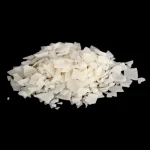
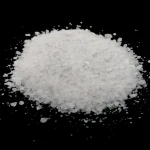
| Best Application | Unpaved roads, parking lots, and for dust control. It degrades quickly, leaving less residual material on the surface. | Paved lots, sidewalks, and runways. The spherical shape minimizes bounce and scatter, keeping 95% or more of the product where it is placed. |
| Storage & Handling | More susceptible to moisture caking and bridging in silos due to fine particle interlocking. Requires dry, covered storage. | Excellent flow characteristics. Resists caking in storage bins and feeds smoothly through broadcast spreaders. |
| Longevity | Fast-acting, short-duration. Consumed quickly. | Slower, longer-lasting melt. Penetrates thick ice layers effectively over an extended period. |
Procurement should be use-case driven. A municipality responsible for gravel roads will experience significantly better results with flake, which controls dust in summer and de-ices in winter without leaving a persistent pellet residue. A commercial logistics center with smooth concrete loading bays will achieve lower total usage and better safety with pellets, as the product stays on the pavement. Your ice melt supplier should demonstrate a clear understanding of this dynamic and not push a single solution.
How to Audit a Potential Ice Melt Supplier’s Quality and Logistics
A site audit is the most revealing step in the selection process. The goal is to verify claims made during the sales process against operational reality. This audit should be structured around four core pillars: material sourcing, storage integrity, logistics redundancy, and documentation.
- Verify Material Sourcing and Testing: Request a tour of the quality control lab or the designated sampling station. Observe their process for collecting and testing a sample against the CoA. Ask how they handle out-of-spec deliveries—a robust supplier rejects them and documents the corrective action. A supplier who merely passes paper from an upstream source without independent verification is a logistics broker, not a quality partner.
- Inspect Storage Conditions and Bagging Integrity: Walk through their bulk storage and packaged goods warehouse. Look for covered, dry conditions. Calcium Chloride is hygroscopic; any exposure to humid air will cause caking. Check the quality of the packaging material and seam strength, especially for smaller bags, where tearing during transit is a common failure point that leads to unusable product on your site.
- Scrutinize Logistical Failover Planning: The core value of a top-tier ice melt supplier is delivery assurance during a weather crisis. Ask for a documented, site-specific failover plan. It should detail a fleet reservation agreement, a pre-approved list of secondary carriers, and a priority communication protocol. A supplier that answers this question with a generic "we have plenty of trucks" lacks credible operational risk management.
- Audit Safety Documentation and Training Support: The supplier’s program must be proactive. Request evidence of updated, GHS-compliant SDS availability on their website and visible on all shipments. Ask for a sample training kit they’ve provided to other customers, including a safety video, PPE recommendations, and first-aid response for exposure. A supplier that views safety as a shared responsibility will have these materials ready, demonstrating a commitment to preventing the key risks of Calcium Chloride handling.
How Does Environmental Stewardship Factor into Supplier Selection?
Environmental regulations, particularly those governing stormwater runoff, are tightening across North America. Directing the chlorides from de-icers into local waterways is increasingly scrutinized by bodies like the EPA. An advanced supplier addresses this by implementing precision application strategies to minimize total chloride loading.
This starts with calibrating equipment to apply the Minimum Effective Dose (MED). Over-application is the primary cause of environmental harm, melting ice but then flushing unused chlorides into the surrounding soil and water. A technically competent supplier will assist in calibrating your spreaders and sprayers, a service that often saves enough material to offset the supplier's premium. They should also be conversant with alternatives like agricultural-based corrosion inhibitors, offering a blended product line that maintains ice melting effectiveness while lowering the toxic impact on vegetation.
A supplier’s commitment is demonstrated by offering anti-icing and pre-wetting solutions. These techniques allow a 30-40% reduction in total salt usage by applying a brine before a storm, preventing the ice-pavement bond from forming. This is a data-driven approach, using Road Weather Information Systems (RWIS) data to trigger applications only when conditions are optimal. A supplier that advocates for using less product through better technology is strategically aligned with your cost and sustainability goals.
Why Calcium Chloride’s Performance vs. Other De-Icers Creates Supplier Value
The choice of a supplier is intrinsically tied to the chemistry of their core product. When you commit to a supplier, you are often committing to their preferred material family. It is therefore essential to understand why Calcium Chloride forms the basis of a premium strategy.
| De-Icer | Effective Temp | Ice Melt Volume (per lb) | Exothermic | Infrastructure Impact |
|---|---|---|---|---|
| Calcium Chloride | -25°F | High | Yes, strong | Moderate, less corrosive when pure |
| Magnesium Chloride | -13°F | Moderate | Yes, mild | Moderate to high in presence of oxygen |
| Sodium Chloride (Rock Salt) | 15°F | Low | No, endothermic | High, accelerates rebar corrosion |
| Urea | 25°F | Very Low | No | Low, but causes nutrient runoff issues |
The data underscores a core point: Calcium Chloride’s exothermic property and superior low-temperature performance make it the only viable option for operations where safety cannot be compromised by weather severity. A supplier specializing in this chemistry brings a portfolio of blends optimized for different temperature windows, allowing you to dial in a performance specification. This level of formulation specialization is the strategic reason to move beyond a commodity rock salt vendor.
What to Look for in an Ice Melt Product Portfolio
A mature procurement strategy uses a portfolio approach, not a single SKU. The ability of a supplier to provide a range of formulated products indicates a deeper level of technical capability. You should look for a provider that can deliver a system of solutions that work together across the entire storm lifecycle.
The foundation is a high-purity Calcium Chloride pellet or flake for direct application. Layered on top of this should be liquid anti-icing brines, which are applied to dry pavement 24 to 48 hours before a storm to create a bond-breaking layer, preventing ice from forming. Finally, the portfolio should include performance-enhanced solid blends. These often mix calcium chloride with sodium chloride and a corrosion inhibitor, creating a balanced product that offers a good cost-to-performance ratio for less critical areas, reducing the overall budget exposure while maintaining safety on main thoroughfares.
A supplier with these three categories can build you a treatment matrix. For example, a plan might specify a liquid anti-icing brine for all surfaces pre-storm, a Calcium Chloride-enhanced blend for general lot de-icing during the storm, and a pure calcium chloride product reserved for steep inclines, critical walkways, and emergency response zones. This approach optimizes cost, performance, and environmental impact, and it can only be executed by a supplier with a diverse, well-documented portfolio.
Conclusion
Choosing an ice melt supplier is a strategic risk management process that extends far beyond the simple purchase of Calcium Chloride. It requires a rigorous assessment of product purity, formulation specificity, logistical resilience, and the depth of a supplier's technical and safety support infrastructure. The core takeaway is that operational reliability and total cost of ownership are determined by a partner’s ability to provide consistent, batch-certified material and to guarantee delivery under storm duress.
To act on this framework, begin by auditing your current supplier against the factors detailed above, from the availability of Certificates of Analysis to a documented logistical failover plan. For procurement teams managing high-risk or high-traffic facilities, the priority is a partner who can demonstrate a portfolio strategy using liquid anti-icers and high-performance solids to reduce overall chloride usage. A systematic approach to these criteria transforms a winter materials contract from a reactive expense into a proactive, predictable component of operational safety and compliance.
FAQs
What is a high-quality ice melt supplier?
A high-quality ice melt supplier is defined not just by the material they sell, but by their operational reliability and technical support. They provide batch-specific Certificates of Analysis (CoA), guarantee product purity, and maintain the logistical capacity to deliver before and during major weather events. The key differentiator is their ability to act as a risk management partner, helping you calibrate application rates and reduce total chloride usage.
How long does bulk calcium chloride last in storage?
Bulk Calcium Chloride has an indefinite shelf life when stored correctly. The primary failure mode is moisture absorption, as the material is hygroscopic and will cake into a solid, unusable mass if exposed to humid air. The practical lifespan is thus dictated by the integrity of your storage: it must be a dry, covered structure, with the product kept in its original, unopened packaging or a properly sealed silo until the moment of use.
Is calcium chloride safe for pets and vegetation?
Calcium Chloride is safe for use in areas frequented by pets and near vegetation when applied at the correct Minimum Effective Dose (MED). The primary risks are paw irritation from direct contact with concentrated product and toxicity to plants from over-application, which causes salt to accumulate in the soil and prevents water uptake. These risks are managed by following labeled application rates and promptly sweeping up any excess product after the ice has melted.
How does calcium chloride affect concrete and metal infrastructure?
The impact of Calcium Chloride on concrete is primarily through a physical scaling process, not direct chemical attack. It increases the number of freeze-thaw cycles by melting ice and allowing the resulting water to permeate the concrete surface, where it then re-freezes and expands, causing spalling. For metal, it acts as an electrolyte, accelerating corrosion. These effects are most damaging to older, non-air-entrained concrete and uncoated steel, and can be mitigated by using corrosion-inhibited formulations.
What is the difference between calcium chloride flake and pellets?
The difference is in physical form and performance dynamics.
- Dissolution Rate: Flake dissolves instantly on contact for a rapid brine kick, while pellets dissolve slowly in a controlled, targeted melt.
- Application: Flake is optimal for gravel roads and dust control; pellets excel on paved surfaces, as their spherical shape minimizes bounce and scatter, placing more product accurately.
- Storage: Flake is more prone to moisture caking and bridging; pellets flow freely and resist clumping.
Is ice melt with calcium chloride better than rock salt?
Calcium Chloride is chemically superior to traditional rock salt (sodium chloride) in several critical ways.
- Effective Temperature: It works down to -25°F, compared to 15°F for rock salt.
- Action: It is exothermic, generating its own heat to speed melting, whereas rock salt must draw heat from the environment.
-
Usage: It typically requires a lower application rate to achieve the same result.
This makes it the technically better choice for high-risk, low-temperature environments, though it comes at a higher unit cost.
What Certificates of Analysis (CoA) are essential?
The essential CoA for Calcium Chloride must verify these specific parameters: (1) Purity/Assay, expressed as a percentage by weight (e.g., 94% minimum); (2) Total Alkali Chlorides, which quantifies the sodium and potassium chloride impurities; and (3) Total Magnesium, expressed as Magnesium Chloride, which impacts the product's hygroscopic behavior. Any supplier failing to provide this batch-level document is unable to substantiate their product claims.
Why is my calcium chloride caking in the storage tank?
Caking is caused by the hygroscopic nature of Calcium Chloride. The product pulls moisture from the air in the headspace of a silo or through small tears in packaging. This moisture partially dissolves the surface of the flake or pellet, creating a liquid brine that then dries out and re-crystalizes, bonding adjacent particles into a solid mass. The root cause is always moisture intrusion, which is solved by ensuring airtight storage and using a desiccant breather system on bulk tanks.
Does a supplier’s sourcing strategy affect product quality?
Yes, a supplier's sourcing strategy is a primary determinant of the consistency you receive. A supplier who sources from a single production plant risks a complete supply disruption and quality variance if that plant has an operational or quality issue. A more resilient partner strategically diversifies their upstream sources and performs their own independent testing to blend or segregate material, ensuring the final product shipped to you consistently meets the specification on the CoA.
How does anti-icing with a supplier reduce total salt use?
A supplier-guided anti-icing program reduces total salt use by 30-40% by shifting the strategy from reactive melting to proactive prevention. The supplier provides a liquid brine that is sprayed on dry pavement before a storm. This creates a thin, bond-breaking layer that prevents falling snow and ice from freezing to the surface. Because the ice-pavement bond never forms, subsequent plowing is more effective, and only a minimal amount of solid de-icer is needed post-storm for residual cleanup.