Sodium metabisulfite (Na₂S₂O₅) is a common food preservative and industrial chemical, yet its name often triggers unease. Consumers and workers alike ask: Is it safe? Can it cause cancer? These are the most frequently searched questions, and they deserve clear, evidence-based answers.
The concern is understandable. When dissolved, sodium metabisulfite releases sulfur dioxide (SO₂)—a gas that can irritate airways at high concentrations. But regulatory bodies like the FDA and WHO have established strict safety limits that make this compound safe for the vast majority of people.
In this article, we cut through the confusion. We review the toxicological profile of sodium metabisulfite, the official stance of the IARC on its carcinogenicity, the specific groups who need to exercise caution, and the safe handling practices required in occupational settings. By the end, you will have a complete, science-backed understanding of its risks and benefits.
Sodium metabisulfite is safe for the majority of people if consumed within permitted limits (≤500 ppm in food). The primary concern applies to asthmatics or sulfite-sensitive individuals, who may experience respiratory reactions. For the general population, occasional dietary exposure poses no significant health risk.
Key Takeaways
- The IARC classifies sulfur dioxide (SO₂) as Group 3, meaning there is no conclusive evidence of carcinogenicity in humans.
- The FDA permits sodium metabisulfite in food at maximum levels of 500 ppm (dried fruits) and 350 ppm (wine).
- The primary risk group comprises individuals with asthma, who should avoid ingestion and inhalation of sulfites.
- In occupational settings, OSHA sets an 8-hour time-weighted average (TWA) exposure limit of 5 mg/m³ for SO₂.
- Industrial-grade sodium metabisulfite (90-95% purity) is unsuitable for human consumption; only food-grade (≥97% purity) should be used in food applications.

What Is Sodium Metabisulfite (E223)?
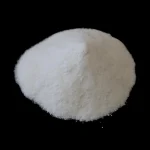
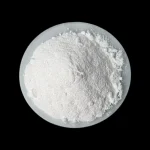
Sodium metabisulfite is an inorganic compound with the molecular formula Na₂S₂O₅. It appears as a white to pale-yellow crystalline powder and is highly soluble in water—approximately 450 g/L at 20°C.
When dissolved in water or acidified, it releases sulfur dioxide (SO₂), a gas that serves as the primary active agent for its preservative, antioxidant, and antimicrobial functions. This SO₂ release is the key to its effectiveness in food preservation, water treatment, and various industrial processes.
However, the same SO₂ release is also responsible for its potential health effects, particularly respiratory irritation. Understanding this dual nature—effective as a preservative, potentially irritating as a gas—is central to evaluating its safety profile.
What Are the Main Industrial and Food Applications of Sodium Metabisulfite?
Sodium metabisulfite is valued across multiple sectors for its reducing and antimicrobial properties.
| Industry | Primary Use | Key Benefit |
|---|---|---|
| Food Processing | Preservative (E223), antioxidant, bleach for fruits, wines, and dried foods | Extends shelf life, prevents browning |
| Water Treatment | Dechlorination, disinfection (kills bacteria & algae) | Safe for potable water systems |
| Pharmaceuticals | Sterilization, reducing agent in drug synthesis | Ensures sterile manufacturing conditions |
| Textiles | Bleaching agent, dye-fixing chemical | Enhances fabric color retention |
| Mining | Flotation agent for mineral processing | Improves metal recovery efficiency |
In the food industry, it is used in dried fruits, wines, fruit juices, and seafood to prevent oxidation and microbial growth. In water treatment, it neutralizes chlorine at a precise ratio of 1.34 mg Na₂S₂O₅ per 1 mg Cl₂.
Is Sodium Metabisulfite Safe to Consume in Food?
Sodium metabisulfite is safe for the general population when used within established regulatory limits.
FDA and WHO Standards
The FDA classifies sodium metabisulfite as GRAS (Generally Recognized as Safe) for its intended uses. The maximum allowable levels are:
- 500 ppm in dried fruits
- 350 ppm in wine
- 100 ppm in shrimp and other seafood (to prevent melanosis)
The Joint FAO/WHO Expert Committee on Food Additives (JECFA) has established an acceptable daily intake (ADI) of 0.7 mg/kg body weight for sulfur dioxide equivalents.
Food-Grade vs. Industrial-Grade
It is critical to distinguish between grades:
- Food-grade sodium metabisulfite: Must meet ≥97% purity (ISO 3627:2001) with strict limits on heavy metals (Pb < 2 ppm, As < 1 ppm).
- Industrial-grade sodium metabisulfite: Typically 90-95% purity, suitable for water treatment and industrial uses, but not approved for human consumption due to potential contaminants.
Does Sodium Metabisulfite Cause Cancer?
The current scientific consensus is clear: sodium metabisulfite is not classified as a human carcinogen.
The International Agency for Research on Cancer (IARC) classifies sulfur dioxide (SO₂) as Group 3: "not classifiable as to its carcinogenicity to humans." This means there is inadequate evidence in humans and insufficient evidence in experimental animals for the carcinogenicity of SO₂.
It is important to note that Group 3 classification does not mean "safe" in an absolute sense—it means there is no evidence to support a cancer risk. This is the same category as many other common substances, including caffeine and tea.
Long-term occupational exposure controls are still recommended not for cancer risk, but for respiratory protection. The National Toxicology Program (NTP) does not list sodium metabisulfite or sulfur dioxide as known or anticipated carcinogens.
What Health Risks Are Associated with Sodium Metabisulfite?
While the compound is safe for the general population, certain health risks exist, primarily related to SO₂ release.
| Exposure Type | Symptoms | At-Risk Groups |
|---|---|---|
| Inhalation (dust or SO₂ gas) | Coughing, throat irritation, wheezing, asthma attacks | Asthmatic patients, sulfite-allergic individuals |
| Skin Contact (prolonged) | Redness, itching, contact dermatitis | Industrial workers handling the powder |
| Ingestion (high doses) | Nausea, abdominal pain, possible SO₂ poisoning | Individuals with sulfite sensitivity |
Sulfite Sensitivity and Asthma
The most significant health risk affects individuals with asthma. Studies estimate that 5-10% of asthmatics are sensitive to sulfites, with symptoms ranging from mild wheezing to severe bronchospasm.
For this group, even small amounts of sulfites can trigger respiratory distress. Regulatory agencies therefore require sulfite warnings on food labels when levels exceed 10 ppm.
Occupational Exposure Limits
In workplace settings, the primary concern is inhalation of SO₂ gas released during handling.
| Regulatory Body | Limit | Type |
|---|---|---|
| OSHA (USA) | 5 mg/m³ | 8-hour TWA (time-weighted average) |
| NIOSH (USA) | 2 mg/m³ | 10-hour TWA |
| ACGIH (USA) | 0.25 ppm | 8-hour TWA (for SO₂) |
| EU OEL | 1.3 mg/m³ | 8-hour TWA |
These limits are designed to protect workers from respiratory irritation and chronic lung effects.
What Are the Symptoms of Sodium Metabisulfite Poisoning?
Acute poisoning from sodium metabisulfite is rare in dietary exposure due to the low concentrations used. However, industrial accidents involving large amounts can cause significant health effects.
Symptoms of acute SO₂ exposure include:
- Respiratory: Severe coughing, choking sensation, bronchospasm, pulmonary edema (at very high concentrations)
- Gastrointestinal (if ingested): Nausea, vomiting, abdominal pain
- Skin/Eyes: Corneal damage (from solution splashes), chemical burns
What to Do in Case of Exposure
| Exposure Route | Emergency Response |
|---|---|
| Inhalation | Move to fresh air immediately. Seek medical attention if breathing difficulty persists. |
| Skin Contact | Rinse with water for at least 15 minutes. Remove contaminated clothing. |
| Eye Contact | Flush with saline or water for 15 minutes. Seek ophthalmologic evaluation. |
| Ingestion | Do NOT induce vomiting. Rinse mouth and drink water. Seek medical attention. |
Sodium Metabisulfite vs. Sodium Sulfite vs. Sodium Bisulfite: What's the Difference?
These three compounds are chemically similar but distinct, and they are often confused.
| Compound | Formula | Primary Use | Key Distinction |
|---|---|---|---|
| Sodium Metabisulfite | Na₂S₂O₅ | Dry powdered preservative, uses SO₂ gas release | Most commonly used in dry form |
| Sodium Sulfite | Na₂SO₃ | Mild reducing agent, oxygen scavenger | pH 8-10 (more alkaline) |
| Sodium Bisulfite | NaHSO₃ | Mild reducing agent | pH 4-6 (more acidic) |
In solution, they share similar sulfite chemistry. For most practical purposes (food preservation, water dechlorination), metabisulfite is preferred due to its stability and ease of use.
What Are Safer Alternatives to Sodium Metabisulfite?
While sodium metabisulfite is safe within limits, some applications seek alternatives, often due to consumer preference for "sulfite-free" labels.
| Application | Alternative | Advantage | Limitation |
|---|---|---|---|
| Food Preservation | Vitamin C (ascorbic acid) | No SO₂ release, GRAS status | Less effective in high-pH foods |
| Wine Preservation | Tocopherols (vitamin E), natural tannins | No sulfite-related allergies | Shorter shelf life |
| Water Treatment | Ozone (O₃) disinfection | No chemical residues | Higher energy costs (3-5x) |
| Textile Bleaching | Hydrogen peroxide (H₂O₂) | Environmentally degradable | May weaken fabric fibers |
Ozone treatment is highly effective—it reduces 99.9% of bacteria without producing chemical residues—but requires significantly higher energy input than sulfite-based systems.
How Should Sodium Metabisulfite Be Stored and Handled Safely?
Proper storage and handling are critical to minimize SO₂ release and worker exposure.
Safe Storage Practices
- Store in airtight containers to prevent moisture absorption (humidity >60% triggers SO₂ release)
- Keep away from acids, heat sources, and oxidizing agents
- Store in a cool, dry, well-ventilated area
Recommended Personal Protective Equipment (PPE)
| Hazard Type | Recommended PPE |
|---|---|
| Inhalation | NIOSH-approved N95 respirator (or higher) |
| Skin Contact | Chemical-resistant gloves (nitrile) |
| Eye Exposure | Safety goggles + face shield |
| General Handling | Chemical apron, closed-toe shoes |
Environmental Disposal
- Neutralize waste with alkaline solutions (e.g., NaOH) to convert SO₂ into non-toxic sulfates
- The EPA mandates <10 ppm SO₂ in industrial effluent
What to Look for in a Sodium Metabisulfite Supplier
For industrial or food processing procurement, selecting a reliable supplier is essential for both safety and quality.
Key criteria to evaluate:
- Purity grade: Food-grade requires ≥97% (ISO 3627:2001). Industrial-grade (90-95%) is only suitable for non-food applications.
- Heavy metal limits: Certify Pb < 2 ppm, As < 1 ppm.
- Certifications: Look for ISO 9001:2015 (quality management) and ISO 14001 (environmental management).
- Batch-specific CoA: Each batch should come with a Certificate of Analysis confirming compliance.
- MSDS compliance: Ensure Safety Data Sheets meet OSHA/GHS standards for all materials supplied.
For applications requiring strict quality assurance and traceability, XrdChemical provides ISO-certified sodium metabisulfite with full batch-specific documentation and application support.
Conclusion
Sodium metabisulfite (E223) is a safe and effective preservative when used within the strict limits established by the FDA, WHO, and other regulatory bodies. It is not classified as a human carcinogen (IARC Group 3), and the primary health risks are limited to respiratory irritation in asthmatic individuals and occupational exposure without adequate protection.
The key to safe use lies in three principles:
- Respecting regulatory limits in food (≤500 ppm) and workplace exposure (≤5 mg/m³ OSHA TWA)
- Proper handling and storage to minimize SO₂ release
- Product purity verification through certificates of analysis
When evaluating sodium metabisulfite suppliers, prioritize transparent quality documentation, proper certifications, and a proven track record of regulatory compliance.
For teams seeking consistent quality and regulatory compliance in their sodium metabisulfite supply, XrdChemical offers ISO-certified products with batch-specific documentation and dedicated technical support.
FAQs
What is sodium metabisulfite and what is it used for?
Sodium metabisulfite (Na₂S₂O₅) is an inorganic salt used primarily as a preservative and antioxidant in food, water treatment, and industrial processes. In food, it is labeled as E223 and prevents browning in dried fruits, maintains freshness in wine, and prevents melanosis in shrimp.
- Food: Preservative, antioxidant, and bleaching agent
- Water treatment: Dechlorination and disinfection agent
- Pharmaceuticals: Sterilization and reducing agent
- Textiles: Bleaching and dye-fixing chemical
Is sodium metabisulfite safe for human consumption?
Yes, sodium metabisulfite is safe for the general population when consumed within established regulatory limits. The FDA classifies it as GRAS (Generally Recognized as Safe). The maximum permitted levels are 500 ppm in dried fruits and 350 ppm in wine. The JECFA has established an acceptable daily intake of 0.7 mg/kg body weight.
Does sodium metabisulfite cause cancer?
No. The International Agency for Research on Cancer (IARC) classifies sulfur dioxide (SO₂), which is released by sodium metabisulfite, as Group 3—"not classifiable as to its carcinogenicity to humans." This means there is inadequate evidence in humans and insufficient evidence in experimental animals to support a cancer risk.
What are the symptoms of sodium metabisulfite allergy or sensitivity?
The most common symptoms of sulfite sensitivity include wheezing, coughing, chest tightness, and difficulty breathing—particularly in individuals with asthma. In more severe cases, individuals may experience hives, skin rash, or anaphylactic reactions.
- Asthma: Up to 5-10% of asthmatics are sulfite-sensitive
- Respiratory: Wheezing, coughing, throat irritation, bronchospasm
- Dermatological: Hives, skin rash, itching
- Gastrointestinal: Nausea, abdominal pain (at high doses)
How does sodium metabisulfite compare to sodium bisulfite?
Sodium metabisulfite (Na₂S₂O₅) and sodium bisulfite (NaHSO₃) are chemically similar but have different molecular structures. In aqueous solution, metabisulfite dissociates into bisulfite, making them functionally similar in most applications. However, sodium metabisulfite is more stable as a dry powder and is therefore more commonly used in food preservation and industrial applications. Sodium bisulfite is typically preferred in liquid applications such as water treatment.
Who should avoid sodium metabisulfite?
The primary group that should avoid sodium metabisulfite is individuals with asthma, particularly those with known sulfite sensitivity. Additionally, individuals with confirmed sulfite allergies, those taking certain medications (e.g., corticosteroids that can exacerbate sulfite reactions), and people with a history of severe allergic reactions to sulfite-containing foods should exercise caution.
- Individuals with asthma (5-10% are sulfite-sensitive)
- People with confirmed sulfite allergy
- Patients taking medications that may interact with sulfites
- Infants and young children (limited data on safety)
How long does sodium metabisulfite remain effective in storage?
When stored properly in airtight containers away from moisture, heat, and direct sunlight, sodium metabisulfite typically remains effective for 2 to 3 years. Exposure to humidity (>60%) causes gradual degradation as SO₂ is released, reducing its potency. Always check the certificate of analysis for the manufacturer's recommended shelf life.
Where is sodium metabisulfite used in the food industry?
Sodium metabisulfite is widely used across the food industry as a preservative and antioxidant. Common applications include dried fruits (apricots, raisins, prunes), wine and grape juice, potato products (to prevent browning), shrimp and seafood (to prevent black spot formation), and fruit-based beverages. It is typically added during processing at the ppm level.
What are the risks of occupational exposure to sodium metabisulfite?
Occupational exposure to sodium metabisulfite, primarily through inhalation of dust or SO₂ gas, presents respiratory risks including throat irritation, coughing, and asthma-like symptoms. Prolonged skin contact may cause dermatitis. The OSHA permissible exposure limit for SO₂ is 5 mg/m³ (8-hour TWA). Workers handling the compound should wear appropriate PPE including N95 respirators, nitrile gloves, and safety goggles.
Is sodium metabisulfite banned in organic food production?
Yes. Sulfites, including sodium metabisulfite, are prohibited in certified organic food production under USDA and EU organic regulations. Organic certification standards generally prohibit synthetic preservatives, and sulfites fall under this restriction. Organic food producers must rely on alternative preservation methods such as vitamin C (ascorbic acid) or natural tocopherols.