Unpaved gravel roads are a critical part of municipal infrastructure, but they come with a persistent and costly problem: dust. For municipal road managers, fugitive dust is not just a nuisance. It reduces visibility for drivers, creates a health hazard by releasing respirable particulate matter (PM10 and PM2.5), and leads to the rapid loss of fine aggregates that bind the road surface together. The annual cost of aggregate loss on a single mile of unpaved road can exceed $10,000, not including the expense of frequent blading and regrading.
Traditional approaches like watering provide only a few hours of relief and can actually accelerate road degradation when done improperly. A more strategic, long-term approach involves the application of chemical dust suppressants. These products work through different mechanisms—some draw moisture from the air, others bind particles together, and still others alter the surface chemistry of the roadbed. Choosing the right one depends on local climate, traffic volume, road material, and available budget.
This article analyzes the top 10 most effective dust suppressant chemicals available in 2026, providing a clear-eyed comparison for municipal decision-makers. Calcium chloride is safe when handled properly, but each chemical has a unique profile of benefits, limitations, and application methods. The key risks are over-application without proper engineering, which can lead to environmental runoff or surface slickness. What follows is a detailed ranking and analysis to help you select the best dust suppressant for your specific road network.
Key Takeaways
- Calcium chloride remains the most cost-effective and widely used best dust suppressant for gravel roads, with a typical application rate of 0.5-1.0 gallons per square yard.
- The total annual cost of ownership, not just the product price per gallon, is the critical metric for selecting a dust suppressant.
- Synthetic polymer emulsions can reduce dust by up to 90% and last for 12-24 months, but they require a scarified and recompacted road surface for proper installation.
- Environmental regulations are increasingly pushing municipalities toward bio-based products like lignosulfonates and synthetic fluids with low aquatic toxicity profiles.
- Water quality protection during application is mandated by many regions, requiring a 50-100 foot setback from streams and sensitive receptors.
How to Choose the Best Dust Suppressant for Gravel Roads
Selecting the best dust suppressant requires balancing multiple factors. A low-cost salt brine might be perfect for a low-traffic road in a humid region, while a high-performance polymer is the only economically viable choice for a heavily traveled industrial haul road. The following ten chemicals represent the most proven and widely available options in 2026. Each is ranked not by a single "best" score, but by its overall utility across diverse municipal applications.
1. Calcium Chloride (CaCl₂)
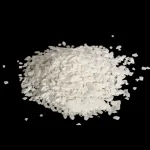
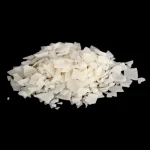
Calcium chloride is the benchmark against which all other dust suppressants are measured. It is a hygroscopic salt, meaning it pulls moisture from the air and holds it in the road surface, keeping the fine dust particles agglomerated and too heavy to become airborne.
- Mechanism: Hygroscopic moisture absorption and surface tension increase.
- Typical Application: A 35-38% liquid solution applied at 0.5-0.75 gal/sq yd, typically 2-3 times per year.
- Longevity: 6-12 months, depending on humidity levels and rainfall.
- Cost: $0.50 - $1.20 per square yard per application, making it a leading low-cost option.
- Best For: A wide range of traffic volumes in climates with at least 30% average relative humidity.
- Limitations: Can be corrosive to vehicle undercarriages and requires a paved or well-compacted shoulder for proper drainage. May attract wildlife, especially moose, to the road surface.
2. Magnesium Chloride (MgCl₂)
Often compared directly to calcium chloride, magnesium chloride is another hygroscopic salt, but it has a lower surface tension, allowing it to penetrate road fines more deeply.
- Mechanism: Hygroscopic, with deeper penetration into the road matrix.
- Typical Application: A 30% liquid solution applied at 0.5-0.8 gal/sq yd.
- Longevity: 3-8 months, generally shorter than calcium chloride in similar conditions.
- Cost: $0.60 - $1.50 per square yard per application.
- Best For: Roads in arid and semi-arid climates with a high percentage of fine aggregates.
- Limitations: Even more corrosive than calcium chloride and more susceptible to leaching during heavy rain events.
3. Lignosulfonates (Tree Sap Byproducts)
Lignosulfonates are a naturally derived, water-soluble polymer that binds dust particles by forming a physical crust as they dry. These products are a byproduct of the wood pulping process.
- Mechanism: Physical binding and crust formation upon dehydration.
- Typical Application: A 50% solution applied at 0.5-1.0 gal/sq yd, often with a water top-coat to aid penetration.
- Longevity: 3-9 months, dependent entirely on the crust remaining intact.
- Cost: $0.80 - $2.00 per square yard per application.
- Best For: Roads with a high clay content, in areas with low traffic volumes and low rainfall.
- Limitations: The crust is brittle and can be destroyed by heavy traffic, snowplowing, or heavy rainfall, leading to a sudden return of dust.
4. Synthetic Polymer Emulsions
This category of liquid polymer concentrates represents the high-performance end of the market. When mixed with water and applied to a prepared roadbed, the polymers form a durable, flexible, three-dimensional matrix that binds the aggregates together.
- Mechanism: Cross-linking of polymer chains to create a semi-rigid, water-insoluble matrix.
- Typical Application: Applied as a diluted solution at 0.1-0.3 gal/sq yd of neat polymer, requiring specialized equipment for mixing and spraying.
- Longevity: 12-24 months, with some products lasting 3+ years under a chip seal.
- Cost: $1.50 - $4.00 per square yard per application, but the lifecycle cost can be lower due to reduced maintenance.
- Best For: High-traffic haul roads, airports, and other high-consequence assets where performance justifies the upfront investment.
- Limitations: Requires expert application under specific weather conditions and a re-compacted road base. Failure to follow specifications will result in product failure.
5. Tall Oil Pitch Emulsions
A bio-based byproduct of the paper industry, tall oil pitch is a blend of fatty acids and rosin acids. It works as a combination binding agent and dust suppressant, creating a dark, asphalt-like surface when cured.
- Mechanism: Adhesive binding, creating a cohesive, flexible mat of treated aggregates.
- Typical Application: Applied neat or as an emulsion at 0.25-0.75 gal/sq yd.
- Longevity: 12-24 months.
- Cost: $1.00 - $2.50 per square yard per application.
- Best For: Low-to-medium traffic roads where a darkened road surface is acceptable and a long-term solution is desired.
- Limitations: Has a distinctive odor during application and can track onto vehicles if not fully cured. The dark color can increase the road surface temperature.
6. Soybean Oil / Vegetable Oil Derivatives
Refined soybean oil and other vegetable-based fluids are gaining traction as a renewable, bio-based dust suppressant with very low aquatic toxicity. They work by coating dust particles with a thin layer of oil, preventing them from becoming airborne.
- Mechanism: Particle coating and agglomeration through non-drying oil films.
- Typical Application: Applied neat or as an emulsion at 0.25-0.50 gal/sq yd.
- Longevity: 3-8 months, depending on traffic and soil type.
- Cost: $1.20 - $3.00 per square yard per application.
- Best For: Environmentally sensitive areas, near waterways, or on roads serving organic farms where salt introduction is prohibited.
- Limitations: Can cause surface slickness immediately after application and may attract insects. Performance degrades more quickly on sandy soils.
7. Ammonium Lignosulfonate
A chemical variant of standard lignosulfonates, ammonium lignosulfonate provides stronger binding power and better water resistance due to the ammonium ions’ interaction with soil clays.
- Mechanism: Enhanced chemical binding through cation exchange with clays.
- Typical Application: Similar to lignosulfonates, applied as a liquid solution.
- Longevity: 4-10 months.
- Cost: $1.00 - $2.50 per square yard per application.
- Best For: Roads with a moderate to high clay fraction where standard lignosulfonates have failed.
- Limitations: More expensive than standard lignosulfonates and can still be broken down by heavy traffic.
8. Bentonite (Natural Clay)
Bentonite is a naturally occurring, highly absorbent clay that acts as a physical filler and binder in road surfaces. When mixed into the top few inches of a gravel road, it swells upon contact with water, filling voids and holding fine particles in place.
- Mechanism: Physical void filling and swelling, creating a dense, cohesive matrix.
- Typical Application: Mixed in as a dry powder during grading at a rate of 5-15% by weight of the road fines.
- Longevity: Permanent, but requires periodic re-blading.
- Cost: $0.30 - $0.80 per square yard (material only, labor-intensive).
- Best For: Gravel roads with a poorly graded aggregate that lacks natural binders.
- Limitations: Requires a significant initial labor investment to till into the road surface. Can become very slick when wet if over-applied.
9. Guar Gum and Plant-Based Polysaccharides
These are high-molecular-weight polysaccharides that function as natural flocculants, clustering fine dust particles together. They form a weak, water-soluble crust.
- Mechanism: Flocculation and hydrogen bonding with clay particles.
- Typical Application: Sprayed as a 0.5-1.0% aqueous solution.
- Longevity: 1-3 months, or until the first major rain event.
- Cost: $0.70 - $1.80 per square yard per application.
- Best For: Temporary dust control at construction sites or short-term events.
- Limitations: Very poor water resistance. Performance is highly inconsistent under heavy traffic.
10. Enzyme-Based Soil Stabilizers
These are liquid concentrates containing catalytic enzymes that accelerate a bio-chemical reaction in the soil’s clay fraction. The reaction compacts the clay’s double-layer structure, permanently reducing its ability to absorb water and expand, thus locking fines in place.
- Mechanism: Bio-catalytic compaction of clay lattices to reduce permeability.
- Typical Application: Diluted with water and spray-applied at a very low dose per square yard.
- Longevity: 2-5 years, considered a semi-permanent soil stabilizer.
- Cost: $1.50 - $3.50 per square yard per application.
- Best For: Gravel roads with a specific clay chemistry (high plasticity index) that require a semi-permanent solution.
- Limitations: Highly dependent on the right clay mineralogy (e.g., smectites). The "black box" nature of the enzymatic reaction makes results hard to predict without a soil test.
Calcium Chloride vs Magnesium Chloride: Which is Best for Municipal Budgets?
For the vast majority of municipal road managers, the purchasing decision comes down to a comparison between two hygroscopic salts: calcium chloride flakes (or liquid) and magnesium chloride. They operate on identical principles, but their performance profiles diverge in ways that directly impact lifecycle costs.
A direct comparison is essential for long-term budgeting.
| Feature | Calcium Chloride (CaCl₂) | Magnesium Chloride (MgCl₂) |
|---|---|---|
| Active Concentration | Typically 35-38% in liquid form | Typically 28-30% in liquid form |
| Deliquescence Point | 29% relative humidity at 77°F | 33% relative humidity at 77°F |
| Unit Cost per Treatment | $0.50 - $1.20/sq yd | $0.60 - $1.50/sq yd |
| Treatment Frequency | 2-3 times per year | 3-4 times per year |
| Soil Penetration | Lower; stays in top 0.5-1 inch | Higher; penetrates 1-2 inches |
| Corrosivity | High; requires inhibitor for equipment | Very High; more aggressive on aluminum |
| Effective Humidity Range | Performs better in drier air (below 30% RH) | Performs better in moderate humidity (30-45% RH) |
Decision Matrix: Selecting Your Top Option
Based on the data, you can refine your choice using the following decision logic.
Choose Calcium Chloride when:
- Your average relative humidity falls below 30% during the dust season.
- You need to maximize the number of dust-free days per dollar spent.
- Your roads have a normal amount of fine aggregates but are not extremely loose.
- You are managing a large network of low-to-medium traffic roads under tight budget constraints.
Choose Magnesium Chloride when:
- Your climate has a consistent relative humidity between 30-45%.
- You need deeper penetration into a loose, "whiskey" gravel surface.
- You can commit to a more frequent treatment schedule (3-4 applications).
- Corrosion management for equipment is a solvable problem in your shop.
Choose a Synthetic Polymer Emulsion when:
- The road is a high-traffic artery or industrial haul route with a poor base.
- Annual blading and regraveling costs exceed $15,000 per mile.
- You can enforce a strict, multi-day road closure for preparation and curing.
- You are calculating return on investment over a 3-5 year lifecycle, not just a single season.
What to Look for in a Dust Suppressant Program
When establishing a dust control program, the decision is not just about the cheapest chemical per gallon. A comprehensive evaluation framework is essential to ensure the chosen product meets performance, environmental, and fiscal goals. Municipal road managers should focus on three key pillars.
First, demand transparent technical data and life-cycle costing. A reliable supplier must provide specification sheets showing active ingredient concentrations, not just diluted solution weights. The most valuable metric is the cost per mile per year of dust control, not the cost per gallon. For example, a $0.50/sq yd product applied three times is more expensive annually than a $2.00/sq yd polymer applied once every two years. Second, require a comprehensive environmental and safety data sheet (SDS) . The product must have a clear aquatic toxicity profile (LC50), and you need an application plan with a setback distance from any surface water. Third, insist on a verifiable track record. Request contact information for at least three municipalities in a similar climatic zone that have used the product for three or more application cycles, and call them directly to discuss performance.
Conclusion
Selecting the best dust suppressant for a network of gravel roads is an engineering decision that balances material science, climatology, and municipal finance. The top 10 chemicals of 2026, from the ubiquitous calcium chloride to advanced synthetic polymers and bio-based oils, offer a spectrum of solutions that can be matched to any road asset. The core principle is to move away from reactive, frequent watering and toward a proactive, chemically-engineered plan that considers the long-term total cost of ownership.
The logical next step is to conduct a thorough audit of your road network. Categorize roads by traffic count, base material, and proximity to sensitive environmental receptors. With this segmented inventory in hand, you can match each road class to the optimal chemical from this list, requesting specific performance data and lifecycle cost analyses from technical suppliers. When evaluating potential suppliers, prioritize those who provide independent lab test results for aquatic toxicity and can demonstrate their product’s performance over a five-year cycle in a comparable climate.
FAQs
What is the best dust suppressant for gravel roads?
The most cost-effective and widely applicable best dust suppressant is calcium chloride. It works by absorbing moisture from the air to keep the road surface damp and particle-bound, but the “best” choice depends on your specific climate, traffic, and environmental constraints.
How does calcium chloride suppress dust?
Calcium chloride is a hygroscopic salt, meaning it draws water vapor from the surrounding air. This process keeps the fine dust particles in the road’s aggregate mix coated with a thin film of moisture, increasing their collective weight and surface tension so they cannot become airborne.
- Moisture absorption: The salt actively pulls humidity from the air.
- Surface tension increase: The liquid film acts like a glue between particles.
- Resistive evaporation: The solution has a lower vapor pressure than plain water.
Is calcium chloride safe for gravel roads near water sources?
Calcium chloride can be safe if strict application setbacks are followed. The primary risk is chloride runoff into streams or lakes, which can harm freshwater aquatic life, so a minimum 50-100 foot buffer zone from any surface water is a standard requirement.
- Aquatic toxicity: High chloride levels can be acutely toxic to freshwater invertebrates.
- Groundwater risk: Chlorides are mobile in soil and can reach shallow aquifers.
- Setback compliance: Check state regulations; many mandate specific distances.
- Spill prevention: Mixing and loading areas must be located away from wellheads.
How much does a typical dust suppressant application cost?
The cost per square yard for a single application ranges from $0.30 for a basic chloride brine to over $3.50 for a specialized enzyme-based soil stabilizer. However, the true metric is the annual cost per mile, which accounts for reapplication frequency and reduced blade maintenance.
- Hygroscopic salts: $0.50 to $1.50 per square yard, applied 2-4 times a year.
- Synthetic fluids: $1.20 to $3.00 per square yard, applied once a year or less.
- Polymers: $1.50 to $4.00 per square yard, applied once every 1-2 years.
Why do unpaved roads lose so much gravel annually?
A one-mile, 24-foot wide gravel road can lose up to 1 ton of fine aggregate per vehicle passing per year. This material loss is primarily from dust being lifted into the air by the wind turbulence of fast-moving traffic and then settling in ditches or adjacent fields.
- Traffic turbulence: The primary mechanism for ejecting dust particles from the surface.
- Fine aggregate loss: The very fines that bind the road together are blown away.
- Washboarding: The loss of fines accelerates the formation of a corrugated surface.
- Increased maintenance: This drives a need for more frequent, costly regrading cycles.
How long does a polymer dust suppressant treatment last?
A properly applied synthetic polymer emulsion can last 12 to 24 months on a well-prepared gravel road. Unlike salts that work by attracting water, polymers form a physical matrix that binds aggregates, making them resistant to rain but dependent on a compacted base for integrity.
- Surface preparation: The road must be scarified, regraded, and recompacted first.
- Dilution and cure: Precise mixing and a 24-48 hour rain-free cure window are critical.
- Traffic role: Controlled, light traffic helps knit the treated layer together.
- Snowplow risk: A steel plow blade can cut a polymer-treated surface if not careful.
Is magnesium chloride better than calcium chloride for dust control?
Magnesium chloride is not universally better, but it can outperform calcium chloride in climates with a consistent relative humidity above 30%. MgCl₂ has a lower surface tension, allowing it to penetrate loose gravel more deeply, though it is more corrosive and washes out more readily.
What are the environmental regulations for dust suppressants?
Environmental regulations are tightening, with many states now requiring a National Pollutant Discharge Elimination System (NPDES) permit or a state-equivalent for the application of any chemical dust suppressant near waterways. The key regulation is a zero-discharge policy for chloride-laden runoff to surface water.
- NPDES permits: Required for point-source discharges of treated runoff.
- Chemical registration: Some states require the product itself to be listed on an approved products list.
- Buffer zones: A minimum 50-foot setback from surface water is a near-universal standard.
- Material data: Full disclosure of chemical constituents on an SDS is mandatory.
What is lignosulfonate and how does it work for dust control?
Lignosulfonate is a natural wood-derived polymer that binds road dust by forming a hard, brittle crust as it dries. This crust physically holds fine particles down, but its effectiveness is destroyed if the crust is broken by heavy traffic or rain.
When should you apply a dust suppressant for the best results?
The optimal application window for hygroscopic salts is in the late spring after the road has lost its winter moisture but before the driest summer heat sets in. For polymer emulsions, application requires a stable forecast with no rain predicted for 24-48 hours and a road base that is slightly moist but not saturated.
Are there environmentally friendly dust control options?
Yes, bio-based products like soybean oil, tall oil pitch, and guar gum are gaining market share as environmentally friendly alternatives. These products typically have very low aquatic toxicity, are derived from renewable resources, and are preferred for use in sensitive watersheds or on organic farms.
- Soybean oil: A renewable, low-toxicity particle-coating agent.
- Guar gum: A plant-based polysaccharide that is fully biodegradable.
- Algae-derived products: New in 2026, some products use alginate biofilms for short-term control.