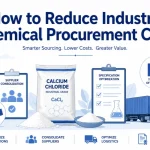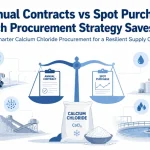
Calcium chloride is one of the most widely used industrial chemicals in North America, with annual global consumption exceeding 4 million metric tons across de-icing, dust control, oilfield, food processing, and concrete acceleration applications. Yet procurement teams and first-time buyers often discover too late that not all calcium chloride is created equal.
The differences between food-grade and industrial-grade material, flake versus pellet versus liquid form, and anhydrous versus dihydrate chemistry can affect everything from delivered cost to equipment compatibility. A shipment that looks like a bargain on paper can become an operational headache if the purity profile, packaging, or moisture content does not match the application.
Asking the right calcium chloride supplier questions before placing an order is the most effective way to avoid costly rework, regulatory surprises, and supply chain delays. This guide compiles the 15 most important questions to ask any supplier in 2026, organized by category, with evaluation criteria and red flags for each.
Calcium chloride is safe when handled properly. The key risks are thermal burns from exothermic dissolution, equipment corrosion, and moisture absorption during storage. Understanding these risks up front helps buyers specify the correct grade, packaging, and handling protocols before an order is placed.
Key Takeaways
- Purity matters more than price: A 2% difference in CaCl₂ content can translate to a 10–15% difference in effective application rate in de-icing and dust control operations.
- Form factor affects handling costs: Flake calcium chloride dissolves 30–50% faster than pellet form, but pellets generate less dust during loading and storage.
- Certificates of Analysis (CoA) should accompany every lot: In 2026, any supplier serving food, pharmaceutical, or potable water applications should provide traceable, lot-specific documentation.
- Packaging and pallet configuration can alter landed cost by 8–12%: Confirm bag weight, pallet dimensions, and truckload quantities before comparing unit prices.
- Supply chain redundancy is now a standard risk-management criterion: Buyers should ask about production plant locations, alternate sourcing, and winter season allocation policies.
Why Asking the Right Calcium Chloride Supplier Questions Matters
Procurement mistakes in calcium chloride purchases tend to fall into three categories: buying the wrong grade, buying the wrong form, or buying from the wrong logistics profile.
Grade errors occur when a buyer orders industrial-grade calcium chloride for a food processing or pharmaceutical application. The U.S. Food and Drug Administration (FDA) maintains strict specifications under 21 CFR 184.1193 for calcium chloride used in food, and material that does not meet these requirements cannot simply be "reclassified" after purchase.
Form errors happen when a team orders flake material for an application that actually requires slow-dissolving pellets, or vice versa. In concrete acceleration, for example, flake calcium chloride is preferred because rapid dissolution is essential to maintaining set-time control during cold weather pours.
Logistics errors emerge when buyers assume that a lower FOB price means a lower total landed cost. Calcium chloride is dense, hygroscopic, and often shipped in 25 kg or 50 lb bags on pallets. Freight class, fuel surcharges, and minimum order quantities can shift the real per-pound cost significantly.
The 15 questions below address each of these failure modes directly.
How Does Calcium Chloride Grade Affect Application Performance?
What Is the Difference Between Food-Grade and Industrial-Grade Calcium Chloride?
Food-grade calcium chloride must meet or exceed the purity and contaminant limits established by the Food Chemicals Codex (FCC) and the FDA under 21 CFR 184.1193. Typical food-grade material contains 94–97% CaCl₂ by weight, with tightly controlled limits on heavy metals such as lead, arsenic, and mercury.
Industrial-grade calcium chloride used for de-icing, dust control, and oilfield applications typically contains 77–94% CaCl₂, with broader tolerances for trace minerals. Industrial material is often sold as "flakes 77%" or "pellets 94%" to indicate the active calcium chloride content.
| Parameter | Food-Grade CaCl₂ | Industrial-Grade CaCl₂ |
|---|---|---|
| Typical CaCl₂ purity | 94–97% | 77–94% |
| Heavy metal limits | Lead < 5 ppm, Arsenic < 3 ppm | Varies by supplier; often unspecified |
| Regulatory basis | FCC, FDA 21 CFR 184.1193 | No universal standard |
| Typical applications | Cheese making, canned vegetables, sports drinks, brewing | De-icing, dust suppression, concrete acceleration, oilfield drilling |
| Price premium vs industrial | 40–100% | Baseline |
Key question to ask: "Can you provide a Certificate of Analysis for the exact grade you are quoting, and does it meet FCC or USP specifications if required for my application?"
How Does Purity Percentage Translate to Effective Application Rate?
The active calcium chloride content directly determines how much material is needed to achieve a target effect. In dust control applications, for example, a road treated with 77% flake calcium chloride typically requires application rates of 0.25–0.50 gallons per square yard, while a 94% pellet product may achieve similar dust suppression at lower material volumes.
The math is straightforward: If a product is 77% CaCl₂ and another is 94%, the 94% material delivers approximately 22% more active ingredient per ton. A buyer paying 10% more for 94% pellets is actually getting a better deal on an active-ingredient basis.
Key question to ask: "What is the exact calcium chloride content on a dry basis, and how does that translate to my application rate per ton or per lane mile?"
What Form of Calcium Chloride Works Best for Each Application?
Flake vs Pellet vs Liquid: What Should I Choose?
Calcium chloride is commercially available in three primary physical forms, each suited to different applications and handling systems.
| Form | Typical CaCl₂ Content | Dissolution Speed | Dust Generation | Best Applications | Typical Packaging |
|---|---|---|---|---|---|
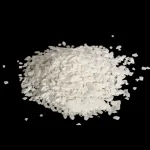
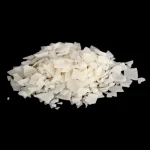
| Flake | 77–83% | Fast (30–60 seconds in agitated water) | Moderate to high | Dust control, de-icing, brine production, concrete acceleration | 25 kg / 50 lb bags, supersacks |
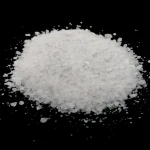
| Pellet | 90–94% | Moderate (2–5 minutes) | Low | De-icing, pool water hardness, oilfield completion fluids | 25 kg / 50 lb bags, bulk hopper cars |
| Liquid | 28–40% solution | Already dissolved | None | Soil stabilization, pre-wetting road salt, food processing | Tank trucks, totes, bulk tanks |
Key question to ask: "What form do you recommend for my specific application, and can you explain the dissolution time, dust profile, and handling differences?"
Why Does Dissolution Rate Matter for De-Icing and Dust Control?
In de-icing applications, calcium chloride works by generating heat through exothermic dissolution and by lowering the freezing point of water. A flake product that dissolves in under a minute begins working faster than a pellet that takes several minutes to fully dissolve. The Pacific Northwest Snowfighters Association specifies that pre-wetted calcium chloride should achieve a minimum dissolving rate consistent with flake material for highway applications.
In dust control, slower release can actually be a benefit. Pelletized calcium chloride dissolves gradually under traffic and moisture, providing extended dust suppression over days or weeks rather than hours.
Key question to ask: "Can you provide dissolution rate data for the specific form you are recommending, and how does that align with my application timing requirements?"
What Quality Assurance Documentation Should I Require?
What Is a Certificate of Analysis and Why Does It Matter?
A Certificate of Analysis (CoA) is a document issued by the manufacturer or supplier that verifies a specific lot of material meets the stated chemical and physical specifications. For calcium chloride, a complete CoA should include:
- Calcium chloride (CaCl₂) content on a dry basis
- Total alkali chlorides (as NaCl)
- Magnesium chloride (MgCl₂) content
- Iron content (relevant for food and pharmaceutical grades)
- Moisture content
- Heavy metals (for food-grade material)
- Lot number and production date
Key question to ask: "Will you provide a lot-specific Certificate of Analysis with every shipment, and what parameters are included on your standard CoA?"
What Third-Party Certifications or Audits Should a Supplier Hold?
Depending on the application, suppliers may need to demonstrate compliance with external standards:
- ISO 9001:2015 for quality management systems
- NSF/ANSI 60 for chemicals used in drinking water treatment
- FCC (Food Chemicals Codex) compliance for food-grade material
- REACH registration for shipments into the European Union
- Kosher or Halal certification for food and pharmaceutical applications
Key question to ask: "Which third-party certifications does your production facility currently hold, and can you provide copies of current certificates?"
Why Does Packaging and Logistics Affect Total Landed Cost?
How Does Packaging Configuration Impact Freight Cost?
Calcium chloride is hygroscopic, meaning it absorbs moisture from the air. Packaging must therefore provide an effective moisture barrier, typically through polyethylene-lined bags or sealed bulk containers. Common packaging configurations include:
- 25 kg (55 lb) poly-lined paper bags: Standard for industrial and food-grade flake; palletized at 40–50 bags per pallet
- 50 lb poly-lined bags: Common in North American industrial markets
- Supersacks (500–1000 kg): Used for high-volume de-icing and dust control programs
- Bulk hopper cars or pneumatic trailers: For large municipal or oilfield users
- Totes (275–330 gallon): For liquid calcium chloride solutions
Key question to ask: "What packaging options are available, what is the pallet configuration, and how does packaging choice affect freight class and total delivered cost?"
What Is the Minimum Order Quantity and Lead Time?
Minimum order quantities (MOQs) for calcium chloride vary widely by supplier and packaging format. Typical MOQs in 2026 include:
| Packaging Format | Typical MOQ | Typical Lead Time |
|---|---|---|
| 25 kg bags, LTL | 1–5 pallets | 3–7 business days |
| 25 kg bags, full truckload | 20–24 pallets (approximately 40,000–48,000 lb) | 5–10 business days |
| Supersacks | 10–20 supersacks | 7–14 business days |
| Bulk hopper car | 80–100 tons | 2–4 weeks |
| Liquid tank truck | 4,000–6,000 gallons | 5–10 business days |
Key question to ask: "What is your minimum order quantity for my preferred packaging format, and what is the current lead time for both LTL and truckload shipments?"
How Do I Evaluate a Calcium Chloride Supplier for Long-Term Reliability?
What Questions Should I Ask About Production Capacity and Supply Chain?
A supplier's ability to maintain consistent supply during peak season—especially late fall and winter for de-icing markets—is a critical differentiator. Key areas to probe:
- Number and location of production plants or terminal warehouses
- Annual production capacity in tons
- Winter season allocation policy for contract customers
- Contingency sourcing if primary plant is disrupted
- Inventory position during Q3 and Q4 (pre-season stockpiling)
Key question to ask: "Where are your production facilities located, what is your annual calcium chloride production capacity, and how do you prioritize allocations during winter peak demand?"
How Do I Compare Suppliers on Total Cost Rather Than Unit Price?
A systematic comparison requires converting all offers to a common basis. The table below shows how to normalize quotes across suppliers with different pricing structures.
| Cost Element | Supplier A | Supplier B | Supplier C |
|---|---|---|---|
| Quoted unit price ($/ton) | $385 | $410 | $398 |
| Freight to delivery site ($/ton) | $45 | $38 | $52 |
| Packaging surcharge ($/ton) | $0 | $12 | $0 |
| Pallet deposit (refundable) ($/ton) | $8 | $0 | $10 |
| Payment terms discount (2% net 10) | -$7.70 | -$8.20 | $0 |
| Normalized landed cost ($/ton) | $430.30 | $451.80 | $460.00 |
Typical market reference values for illustration. Actual quotes vary by region and volume.
Key question to ask: "Can you provide a complete landed cost breakdown including freight, packaging, pallet charges, and payment terms, so I can compare offers on an equivalent basis?"
What Regulatory and Safety Questions Should I Ask?
What Safety Data Sheet Information Should I Review Before Ordering?
Every calcium chloride shipment must be accompanied by a current Safety Data Sheet (SDS) that complies with the Globally Harmonized System (GHS). Key sections to review:
- Section 2 (Hazard identification): Calcium chloride is generally classified as a skin and eye irritant, not a hazardous material for transportation
- Section 8 (Exposure controls): Recommended personal protective equipment, including gloves and eye protection
- Section 10 (Stability and reactivity): Exothermic reaction with water; avoid contact with strong acids
- Section 13 (Disposal considerations): Disposal requirements for unused material and packaging
Key question to ask: "Will you provide a current SDS with the initial quote, and has your SDS been updated to the latest GHS revision?"
Is Calcium Chloride Safe for My Specific Application?
Safety varies significantly by application context:
- Food applications: Food-grade calcium chloride is Generally Recognized as Safe (GRAS) by the FDA when used in accordance with 21 CFR 184.1193.
- Drinking water treatment: Calcium chloride used in potable water must meet NSF/ANSI 60 certification requirements.
- Environmental applications: Dust control and de-icing applications require consideration of runoff impacts on vegetation and aquatic systems. The U.S. Environmental Protection Agency (EPA) does not list calcium chloride as a hazardous substance, but state-level stormwater permits may impose application restrictions.
- Concrete: Calcium chloride accelerators are governed by ACI 318 building code provisions, which limit chloride ion content in reinforced concrete to prevent corrosion of embedded steel.
Key question to ask: "Does your calcium chloride meet the specific regulatory requirements for my application, and can you provide documentation to support that claim?"
What to Look for in a Calcium Chloride Supplier
When evaluating potential suppliers, a structured framework helps separate commodity brokers from technical partners. The following checklist covers the essential capabilities to verify before placing an order.
Evaluation Checklist for Calcium Chloride Suppliers
- □ Provides lot-specific Certificate of Analysis with every shipment
- □ Maintains ISO 9001:2015 quality management certification
- □ Offers the specific form factor your application requires
- □ Can supply the appropriate grade (food, pharmaceutical, or industrial)
- □ Has multiple production facilities or terminal warehouses for supply chain redundancy
- □ Maintains pre-season inventory for winter peak demand
- □ Provides complete landed cost transparency including freight and packaging
- □ Issues current Safety Data Sheets with initial quote
- □ Demonstrates documented quality compliance for relevant regulatory standards
- □ Has a dedicated technical support resource for application questions
A supplier that scores well across all 10 criteria is positioned to provide consistent, reliable material across seasonal demand fluctuations and application changes.
Decision Matrix: Choosing Between Calcium Chloride Suppliers
Choose a large-scale manufacturer when:
- You require annual volumes exceeding 500 tons
- You need guaranteed winter season allocation
- You value direct production plant access and technical support
- Your application requires custom formulations or blends
- You can commit to annual contract terms
Choose a regional distributor when:
- Your order volume falls below truckload quantities
- You need delivery within 3–5 business days
- You require flexible order quantities without long-term commitments
- You prefer local inventory access for just-in-time purchasing
- You value relationship-based service with a dedicated account representative
Choose a specialty supplier when:
- Your application requires food-grade or pharmaceutical-grade certification
- You need NSF/ANSI 60 certified material for drinking water treatment
- You require Kosher or Halal documentation
- Your order involves technical specification beyond standard industrial grades
- You need material with specific dissolution profiles or packaging configurations
Conclusion
Ordering calcium chloride in 2026 requires asking the right calcium chloride supplier questions before comparing prices. The 15 questions in this guide cover the four categories that most influence total value: chemical specifications, physical form, quality documentation, and supply chain logistics.
The most important takeaway is that unit price rarely reflects total cost. A supplier quoting $385 per ton with slow lead times and no Certificate of Analysis may ultimately cost more than a supplier at $410 per ton who provides consistent quality documentation, reliable winter allocation, and transparent freight pricing.
Before placing your next order, verify the grade, confirm the form factor, request a complete CoA and SDS, and normalize quotes to a delivered cost basis. These steps will eliminate most procurement failures and establish a foundation for consistent operational performance.
FAQs
What is calcium chloride used for?
Calcium chloride serves as a versatile industrial chemical across six primary application categories. Its most common uses include road de-icing, dust suppression on unpaved surfaces, concrete acceleration, oilfield drilling fluids, food processing as a firming agent, and water treatment for hardness adjustment. Each application requires a specific grade and form factor to perform effectively.
How long does calcium chloride last in storage?
Calcium chloride has a shelf life of 12–24 months when stored in unopened, properly sealed packaging in a dry environment. Because calcium chloride is hygroscopic, exposure to humid air causes it to absorb moisture and eventually cake or liquefy. Storage in a sealed container or covered area extends usable life significantly.
Is calcium chloride better than magnesium chloride for de-icing?
Calcium chloride outperforms magnesium chloride in low-temperature de-icing applications. Calcium chloride remains effective down to approximately -25°F (-32°C), while magnesium chloride loses effectiveness below about 5°F (-15°C). Calcium chloride also releases more heat during dissolution, accelerating ice melting. However, magnesium chloride is less corrosive to metals and less damaging to vegetation in some studies, making the choice application-dependent.
What is the difference between anhydrous and dihydrate calcium chloride?
Anhydrous calcium chloride contains 90–97% CaCl₂ with minimal water of crystallization, while dihydrate form (CaCl₂·2H₂O) contains approximately 75–80% CaCl₂ with water molecules bound in its crystal structure. Anhydrous material delivers more active ingredient per ton but costs more and generates more heat when dissolved. Dihydrate is often preferred for applications where slower, more controlled dissolution is beneficial.
When should calcium chloride be applied for dust control?
Calcium chloride dust control is most effective when applied in spring or early summer, before the dry season peaks. Initial application rates typically range from 0.25–0.50 gallons per square yard for liquid solution. Reapplication may be needed every 4–8 weeks depending on traffic volume, weather conditions, and road surface type.
Who should use food-grade calcium chloride?
Food-grade calcium chloride is required for any application involving human consumption or food contact. This includes cheese making, canned vegetable processing, sports drink formulation, brewing water adjustment, and certain pharmaceutical applications. Any facility regulated by the FDA or subject to third-party food safety audits such as SQF or BRC must source food-grade material with complete documentation.
Where is calcium chloride produced?
Calcium chloride is produced primarily through three processes: the Solvay process as a byproduct of sodium carbonate production, reaction of hydrochloric acid with limestone, and natural brine purification. Major production facilities in North America are located in Michigan, Louisiana, and Texas, with significant international capacity in China, India, and Europe. The U.S. Geological Survey reports that domestic production capacity exceeds 1.5 million metric tons annually.
Does calcium chloride corrode metal equipment?
Calcium chloride solutions are corrosive to carbon steel and aluminum, particularly at elevated temperatures or in oxygenated environments. The corrosion rate on mild steel in 30% calcium chloride solution at room temperature can reach 5–20 mils per year. Equipment used for handling calcium chloride solutions should be constructed from stainless steel, fiberglass-reinforced plastic, or other corrosion-resistant materials.
Can calcium chloride be shipped in bulk?
Calcium chloride can be shipped in bulk via hopper bottom railcars, pneumatic trailers, or tank trucks for liquid solutions. Bulk shipping becomes cost-effective at volumes above 80–100 tons per order. Rail shipment of bulk calcium chloride typically requires transloading facilities at both origin and destination unless direct rail access exists at both locations.
Why does calcium chloride generate heat when dissolved in water?
Calcium chloride generates heat when dissolved because the hydration energy released when water molecules bind to calcium and chloride ions exceeds the energy required to break apart the crystal lattice. The heat of solution for anhydrous calcium chloride is approximately -82.8 kJ/mol, meaning significant heat is released. This exothermic property makes calcium chloride useful for low-temperature de-icing applications where the heat accelerates melting.
What concentration of calcium chloride is best for concrete acceleration?
Calcium chloride accelerator dosage in concrete typically ranges from 1–2% by weight of cement. Dosages above 2% can cause flash setting, increased drying shrinkage, and potential corrosion of embedded steel reinforcement. The American Concrete Institute (ACI) provides detailed guidance in ACI 212.3 on chemical admixture usage and limits.
How do I verify the purity of calcium chloride before accepting a shipment?
Verification requires reviewing the Certificate of Analysis against your purchase specification and, for critical applications, performing independent laboratory testing. Common analytical methods include titration for calcium content, atomic absorption spectroscopy for heavy metals, and Karl Fischer titration for moisture. Independent testing typically costs $150–$500 per sample depending on the parameter set.
Is there a difference between calcium chloride for pool use and industrial use?
Pool-grade calcium chloride is typically a higher purity product, often 94–97% CaCl₂ in pellet form, specifically formulated for swimming pool hardness adjustment. Industrial-grade material may contain higher levels of magnesium chloride, sodium chloride, and other trace minerals. While industrial material is chemically similar, using it in pools risks introducing unwanted contaminants and is not recommended by pool equipment manufacturers.
What is the typical price range for calcium chloride in 2026?
Calcium chloride pricing in 2026 varies significantly by grade, form, packaging, and purchase volume. Typical market reference values are as follows: industrial flake 77% ranges from $350–$450 per ton in bulk; food-grade material commands a 40–100% premium at $500–$800 per ton; pelletized 94% material ranges from $400–$550 per ton. Liquid 30% solution typically costs $0.80–$1.20 per gallon. These ranges fluctuate seasonally, with winter de-icing demand driving Q4 price increases of 10–20%.
What are the environmental risks of calcium chloride runoff?
Calcium chloride runoff from de-icing and dust control applications can elevate soil salinity and affect vegetation near treated surfaces. Aquatic impacts occur when runoff enters streams or ponds, potentially increasing chloride concentrations. The EPA has established chronic chloride water quality criteria at 230 mg/L and acute criteria at 860 mg/L. State stormwater regulations increasingly require chloride management plans for high-use areas. These environmental considerations should inform application rates and timing decisions.