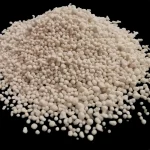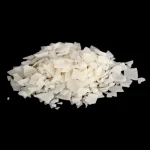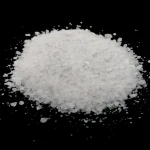
Winter maintenance professionals and property managers face a critical challenge that goes far beyond simply scattering salt on icy surfaces. The effectiveness of any ice melt operation hinges on understanding ice melt temperature thresholds, yet this fundamental variable is often overlooked in favor of cost per bag or application rate. When temperatures plummet, many commonly used products fail without warning, leaving surfaces dangerously slick and creating liability risks that could have been prevented with the right product selection.
The science behind ice melting is straightforward but unforgiving: every deicing compound has a specific temperature range where it remains active. Below that threshold, the chemical reaction that generates brine and breaks the bond between ice and pavement simply stops. This means the "best" ice melt product isn't a single universal solution—it's the one that matches your actual winter conditions. Understanding these temperature limitations transforms winter maintenance from reactive guesswork into a predictable, science-based process.
Calcium chloride works effectively down to approximately -25°F (-32°C), making it the most cold-tolerant commonly available ice melt compound. However, its performance depends on proper handling—the key risks involve its hygroscopic nature (it absorbs moisture from air and skin), its potential to irritate eyes and respiratory passages when dust is inhaled, and its corrosive effects on certain metals when used without inhibitors. When applied according to manufacturer guidelines with appropriate personal protective equipment such as gloves and eye protection, it is a safe and exceptionally effective tool for extreme cold conditions. The primary safety consideration is not the chemical itself but whether users follow basic handling protocols.
What You'll Learn in This Article
This guide examines the temperature performance ranges of all major ice melt products, explains the chemistry behind their cold-weather limitations, and provides a practical framework for selecting the right product based on your specific winter conditions.
- Temperature thresholds for calcium chloride, magnesium chloride, sodium chloride, and other common deicers
- The science of freezing point depression and why it has limits
- When to switch from rock salt to a more aggressive product
- Bottom line: Calcium chloride handles extreme cold that other products cannot, but for most moderate winter conditions, less aggressive options work effectively when applied at the right time and rate.

How Does Ice Melt Chemistry Work?
Every ice melt product operates on the same fundamental principle: freezing point depression. When a deicing compound dissolves in the thin layer of water on top of ice, it forms brine—a salt solution that freezes at a lower temperature than pure water. This brine spreads under the ice, breaking the bond between ice and pavement so that mechanical removal becomes possible.
The Role of Brine Formation in Breaking Ice-Pavement Bonds
The speed and effectiveness of brine formation depends on the compound's hygroscopic properties—its ability to attract and absorb moisture from the surrounding environment. Calcium chloride is both hygroscopic and exothermic, meaning it generates heat as it dissolves. This dual action creates brine rapidly even in extremely cold, dry conditions where other products struggle to activate. Sodium chloride, by contrast, requires existing moisture to dissolve and becomes sluggish when pavement temperatures drop below 15°F (-9°C).
Why Do All Products Have Temperature Limits?
As ambient temperatures decrease, the chemical kinetics of dissolution slow dramatically. At a certain point, the compound can no longer generate enough brine quickly enough to overcome ice accumulation. The eutectic temperature represents the absolute lowest temperature at which a specific ice melt compound can form a liquid brine solution—below this point, the solution itself freezes solid and the product becomes completely ineffective. Each compound has a unique eutectic point determined by its molecular structure.
What Is the Practical Temperature Range for Each Ice Melt Type?
Different compounds offer dramatically different effective temperature ranges. Understanding these practical limits prevents the common mistake of applying a product when it cannot possibly work.
| Ice Melt Compound | Practical Effective Temperature | Eutectic Temperature | Relative Speed | Relative Cost |
|---|---|---|---|---|
| Calcium Chloride (CaCl₂) | -25°F (-32°C) | -60°F (-51°C) | Fastest | High |
| Magnesium Chloride (MgCl₂) | -13°F (-25°C) | -28°F (-33°C) | Fast | Medium-High |
| Sodium Chloride (Rock Salt) | 15°F (-9°C) | -6°F (-21°C) | Moderate | Low |
| Potassium Chloride | 25°F (-4°C) | 12°F (-11°C) | Slow | Medium |
| Urea | 20°F (-7°C) | 11°F (-12°C) | Slow | Medium-High |
| Calcium Magnesium Acetate (CMA) | 20°F (-7°C) | 0°F (-18°C) | Slow | High |
Practical effective temperatures reflect real-world application conditions with adequate moisture. Eutectic temperatures are laboratory values representing absolute physical limits that are rarely achievable in field conditions.
Why Does Calcium Chloride Perform Better in Extreme Cold?
The exceptional cold-weather performance of calcium chloride stems from its unique chemical behavior. Unlike other common deicers, calcium chloride undergoes an exothermic dissolution reaction, releasing approximately 272 BTU of heat per pound of material when it contacts moisture. This self-heating property means it can begin melting ice at temperatures where other products remain inert crystals on the frozen surface.
Exothermic Reaction: How Heat Generation Changes Performance
The heat released during dissolution serves three practical functions. First, it accelerates brine formation by warming the surrounding ice just enough to create a liquid interface. Second, it sustains the melting reaction longer because the localized temperature increase keeps the brine liquid even as ambient conditions remain frigid. Third, the heat generation penetrates into ice layers, creating channels that allow brine to spread laterally and undermine the ice-pavement bond more thoroughly.
A typical application rate of 1 pound per 100 square feet of calcium chloride pellets generates enough heat to initiate melting within 10-15 minutes at 0°F (-18°C). Sodium chloride at the same temperature remains largely unreacted for 30 minutes or longer without external moisture sources.
The Difference Between Eutectic and Practical Temperatures
The eutectic temperature of -60°F (-51°C) for calcium chloride represents a laboratory value achieved under precisely controlled conditions with optimal moisture. In field conditions, practical effectiveness stops around -25°F (-32°C) because available atmospheric moisture decreases exponentially as temperatures drop. Between -25°F and -60°F, the product can theoretically form brine but does so too slowly to provide meaningful deicing within a reasonable service timeframe.
When Should You Use Each Type of Ice Melt Product?
Product selection should follow a decision framework based on typical pavement temperature, not ambient air temperature. Pavement temperature can differ significantly from air temperature due to solar radiation, subsurface heat, and traffic friction.
Choose calcium chloride when:
- Pavement temperatures fall below 15°F (-9°C) and remain there for extended periods
- Conditions are both cold and dry, requiring a product that generates its own heat
- Ice has already bonded firmly to surfaces and rapid penetration is needed
- Facilities serve critical functions like hospital entrances or emergency vehicle access where any ice accumulation is unacceptable
Choose sodium chloride when:
- Pavement temperatures remain above 20°F (-7°C) and moisture is available
- Budget constraints require the lowest cost-per-application option
- The location receives consistent traffic, which provides mechanical agitation and friction heat
- Pre-treating surfaces before a storm when brine-making capacity is important
Choose magnesium chloride when:
- Temperatures range between 0°F (-18°C) and 20°F (-7°C) and sodium chloride performance becomes marginal
- Environmental sensitivity is a concern and a less corrosive chloride option is desired
- Liquid application equipment is available for anti-icing operations
Rock Salt vs. Calcium Chloride: Which One Works for Your Winter Conditions?
The choice between rock salt and calcium chloride represents the most common decision point in winter maintenance programs. The comparison extends beyond temperature alone to include application rate efficiency, speed of action, and total cost of service rather than simply cost per bag.
Application rate efficiency tells a critical story: achieving equivalent deicing at 20°F (-7°C) requires approximately 3-4 pounds of rock salt for every 1 pound of calcium chloride. When temperatures drop to 10°F (-12°C), rock salt becomes so inefficient that application rates must double or triple while still providing marginal results. The cost advantage of rock salt disappears when accounting for repeat applications, excess material cleanup, and the risk of slip-and-fall incidents during the lag time before the product activates.
At -10°F (-23°C), the comparison becomes moot—rock salt simply does not work regardless of application rate, while calcium chloride continues to melt ice effectively. Facilities in regions where sub-zero temperatures occur regularly should stock both products and train operators to switch compounds based on pavement temperature readings rather than calendar date or habit.
How to Apply Ice Melt Products for Maximum Effectiveness at Any Temperature
Proper application technique multiplies the effectiveness of any ice melt product. Even the best compound fails when applied incorrectly.
- Calibrate spreaders before each season using catch pans and a scale to verify application rates. Most professional applicators discover their equipment is spreading 30-50% more or less than intended.
- Apply before ice bonds to pavement whenever possible. Anti-icing with liquid brines prevents the ice-pavement bond from forming, reducing the amount of solid product needed later by 40-60%.
- Never apply over thick snow accumulation. Remove snow mechanically first, then apply ice melt to the residual thin layer. Product applied on top of 3 inches of snow melts a narrow channel straight down without addressing the surrounding hazard.
- Use wetted applications below 10°F (-12°C) . Adding liquid brine to solid granules as they leave the spreader accelerates activation by providing the moisture needed for dissolution when humidity is low.
- Document pavement temperatures, not just air temperatures, at the time of each application. This record becomes invaluable for evaluating product performance and adjusting your winter maintenance plan.
Common Mistakes to Avoid When Using Ice Melt Products in Cold Weather
Experience shows that even seasoned winter maintenance professionals fall into predictable traps when temperatures drop. Recognizing these mistakes prevents wasted material and dangerous surface conditions.
Applying rock salt below its effective temperature range represents the single most common and costly error. When pavement temperatures fall below 15°F (-9°C), rock salt dissolves so slowly that it provides almost no deicing benefit within a reasonable timeframe. The undissolved granules create a false sense of security—the surface appears treated but the ice-pavement bond remains intact. The correct response is switching to calcium chloride or magnesium chloride when pavement temperature readings confirm conditions below 15°F.
Over-applying hoping to compensate for low temperatures accelerates concrete deterioration and metal corrosion without improving deicing performance. Each product has a maximum effective application rate; beyond that point, additional material simply becomes runoff without contributing to ice melting. Over-application of calcium chloride above 1.5 pounds per 100 square feet typically provides no additional melting benefit while significantly increasing the risk of surface damage.
Ignoring pavement temperature in favor of air temperature leads to systematic product selection errors. On sunny days with dry pavement, the surface can be 10-15°F warmer than the air. On clear nights with radiative cooling, pavement can be 5-10°F colder. Infrared thermometers cost less than $50 and provide the data needed to make accurate product selection decisions.
How to Choose the Right Ice Melt Product for Your Specific Winter Conditions
Selecting the optimal ice melt product requires evaluating your winter temperature profile, surface types, and service expectations together rather than treating cost per bag as the sole decision criterion.
Map your typical winter temperature distribution by tracking how many hours per season pavement temperatures fall into each range: above 20°F, between 15-20°F, between 0-15°F, and below 0°F. Facilities in regions where 90% of winter hours stay above 20°F can rely on sodium chloride for most events while keeping a limited supply of calcium chloride for the remaining 10% of cold snaps.
Assess surface material sensitivity across your facility. Concrete less than one year old, decorative concrete, and surfaces with exposed rebar should not be exposed to any chloride-based deicer regardless of temperature performance. For these situations, calcium magnesium acetate or a sand-and-mechanical-removal strategy is required despite the lower melting temperature limits.
Calculate total cost of service rather than cost per bag. A facility spending $12 per 50-pound bag of calcium chloride but using one application per storm compares favorably to a rock salt program costing $5 per bag but requiring three applications plus additional sand for traction during the delay period before activation. Factor in liability risk reduction when ice-free surfaces are achieved faster.
FAQs
What is the lowest temperature ice melt can work at?
Calcium chloride has a eutectic temperature of -60°F (-51°C) under laboratory conditions, but practical field effectiveness stops around -25°F (-32°C). Below this threshold, brine formation becomes too slow to provide meaningful deicing within reasonable service timeframes. No commercially available ice melt product provides effective deicing below approximately -25°F in real-world conditions.
How does calcium chloride compare to rock salt for cold weather performance?
Calcium chloride works effectively to -25°F (-32°C) while rock salt becomes largely ineffective below 15°F (-9°C). The difference stems from calcium chloride's exothermic dissolution reaction, which generates heat and accelerates brine formation in conditions where rock salt remains inert. At 0°F, calcium chloride can achieve effective deicing within 15-20 minutes while rock salt may require over an hour or fail to activate entirely without external moisture.
Is calcium chloride safe to use on concrete?
The safety of calcium chloride on concrete depends on concrete age, quality, and application practices. Properly cured concrete over one year old with adequate air entrainment tolerates occasional calcium chloride use when applied at manufacturer-recommended rates. New concrete less than one year old, poorly cured surfaces, or concrete with known freeze-thaw damage should avoid all chloride-based deicers regardless of type. The primary concrete damage mechanism from any deicer is not chemical attack but increased freeze-thaw cycling caused by the melting and refreezing cycle.
What temperature does rock salt stop working?
Rock salt (sodium chloride) loses practical effectiveness below 15°F (-9°C). At this pavement temperature, brine formation slows to the point where deicing action becomes negligible within a 30-60 minute window. The eutectic temperature of rock salt is -6°F (-21°C), but this laboratory value requires ideal moisture conditions and extended timeframes not representative of field applications.
Can you mix different ice melt products for better temperature coverage?
Mixing products creates unpredictable results because each compound has different dissolution rates, hygroscopic properties, and eutectic temperatures. Blended products formulated by manufacturers undergo testing to verify compatibility and performance, but site-mixed combinations risk reducing overall effectiveness below the performance of either product used alone. For broad temperature coverage, the better approach is stocking separate products and switching based on pavement temperature readings rather than attempting to create a universal mix.
How fast does calcium chloride melt ice compared to other products?
At 20°F (-7°C), calcium chloride achieves significant ice penetration within 10-15 minutes compared to 25-40 minutes for sodium chloride. At 0°F (-18°C), the performance gap widens dramatically—calcium chloride provides effective melting within 15-20 minutes while sodium chloride may take over an hour or fail to activate entirely. The speed difference comes from calcium chloride's exothermic heat generation, which accelerates brine formation by warming the ice surface locally.
What is the best ice melt for extremely cold temperatures below zero?
Calcium chloride is the most effective commonly available ice melt product for temperatures below 0°F (-18°C), maintaining practical effectiveness down to -25°F (-32°C). For facilities that regularly experience sub-zero conditions, liquid calcium chloride applied as an anti-icing agent before storms provides even better performance because the liquid form eliminates the dissolution step required with solid products.
Does magnesium chloride work in cold temperatures as well as calcium chloride?
Magnesium chloride has a practical effective temperature of -13°F (-25°C), making it suitable for moderate cold conditions but less effective than calcium chloride at extreme low temperatures. The performance gap between the two products widens as temperatures approach -20°F because magnesium chloride's exothermic reaction generates less heat and its brine formation slows more rapidly. For most winter conditions above 0°F, the products perform similarly.
Why does ice melt sometimes not work even when temperatures are above the effective range?
Ice melt failure above the effective temperature range typically results from one of three application errors: insufficient moisture for brine formation in dry, cold conditions; product applied on top of thick ice or snow where it melts only a narrow channel; or product that has been stored improperly and absorbed moisture, causing it to partially react and lose potency before application. Providing moisture through wetted application or pre-wetting the surface can often restore performance in marginal conditions.
What is the environmental impact of calcium chloride compared to other ice melt products?
Calcium chloride has less environmental impact than sodium chloride per unit of deicing performance because approximately 70% less material is required to achieve equivalent results. The chloride ions from any deicer can affect soil and vegetation at high concentrations, but calcium chloride's lower application rates reduce total chloride loading. All chloride-based deicers can potentially affect aquatic systems if runoff enters surface water in concentrated amounts, so application rate control remains the most important environmental management practice regardless of product type.
Conclusion
Understanding ice melt temperature ranges transforms winter maintenance from a reactive chore into a predictable, science-based process. Each deicing compound operates within specific temperature boundaries determined by its chemical properties—sodium chloride works effectively above 15°F, magnesium chloride extends performance to -13°F, and calcium chloride provides the widest practical range reaching -25°F. Selecting the right product for actual pavement temperatures rather than relying on habit or price alone determines whether your surfaces remain safely ice-free.
The key to effective winter maintenance lies in matching product capabilities to your specific conditions. Track pavement temperatures throughout your winter season, calibrate application equipment to deliver correct rates, and maintain at least two products in inventory to cover your full temperature spectrum. A modest investment in an infrared thermometer and spreader calibration pays back immediately through reduced material waste, fewer repeat applications, and surfaces that stay safer through every cold snap.
For specific product recommendations tailored to your facility's surface types, traffic patterns, and winter temperature profile, consult with a winter maintenance professional who can assess your entire operation rather than focusing on product cost alone.