Calcium chloride is safe when handled according to established industrial protocols. The key risks are exothermic heat generation during dissolution, skin and eye irritation from concentrated solutions or dust, and accelerated corrosion of certain metals when the material contacts unprotected steel or aluminum without inhibitors. These characteristics distinguish it from sodium chloride, potassium chloride, and magnesium chloride—not because calcium chloride is uniquely hazardous, but because its chemistry produces a distinct combination of benefits and handling requirements.
Calcium chloride (CaCl₂) occupies a unique position among chloride salts. It is not the most abundant chloride in nature, nor the cheapest to produce. Yet its unusual combination of hygroscopicity, exothermic dissolution, and low-temperature performance has made it indispensable in applications ranging from road deicing to industrial desiccation, concrete acceleration, and chemical heat storage. Procurement teams and new industrial users often ask why calcium chloride commands a higher price than sodium chloride, and whether those differences justify the cost.
Understanding what makes calcium chloride distinct requires examining its fundamental properties—not in isolation, but in direct comparison with the other chloride salts that dominate industrial supply chains. The differences begin at the molecular level and propagate through every practical application.
What Is Calcium Chloride and Why Does Its Chemistry Matter?
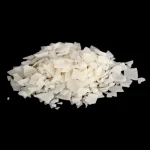
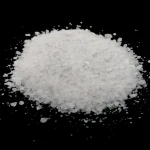
Calcium chloride is an inorganic salt with the formula CaCl₂ and a molecular weight of 110.99 g/mol. It exists as a white crystalline solid at room temperature, typically supplied as anhydrous prills, dihydrate flakes, or liquid solutions at concentrations between 30% and 45% by weight. Unlike sodium chloride, which forms stable crystalline deposits in geological formations, calcium chloride is relatively uncommon as a mined mineral. The only calcium chloride mineral found in massive quantities is the double salt tachyhydrite (CaCl₂·2MgCl₂·12H₂O), and commercial production relies primarily on evaporation of underground brines or as a byproduct of the Solvay process.
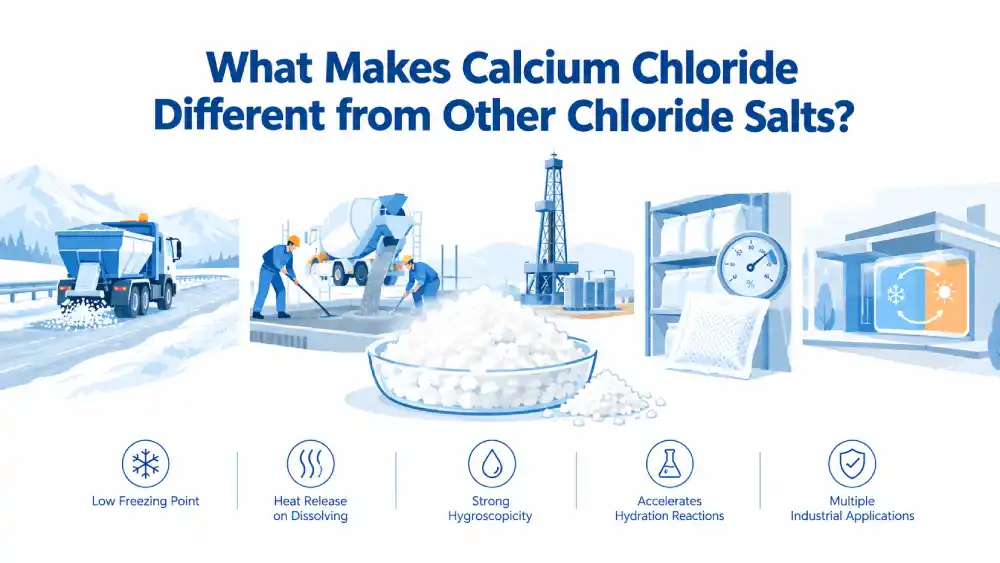
The chemistry that differentiates calcium chloride from other chloride salts stems from three properties acting simultaneously:
High solubility with exothermic dissolution. Calcium chloride dissolves readily in water, reaching 74.5 g per 100 g water at 20°C and 159 g per 100 g at 100°C. The dissolution process releases substantial heat, rapidly raising solution temperatures to approximately 60°C (140°F). This exothermic behavior is much more pronounced than that of sodium chloride, which dissolves with minimal thermal effect. The heat release is valuable in deicing and concrete acceleration, but it also creates handling hazards that require specific precautions.
Extreme hygroscopicity and deliquescence. Calcium chloride absorbs moisture from ambient air until it dissolves in the absorbed water—a property called deliquescence. This behavior is more aggressive than that of magnesium chloride and far exceeds sodium chloride's modest moisture absorption. Anhydrous calcium chloride can absorb enough water to form a liquid brine while the parent material remains in a semi-solid state, which is the basis for its use in dust control and desiccant applications.
Eutectic behavior at low temperatures. Aqueous calcium chloride solutions can remain liquid at temperatures as low as −52°C (−62°F), depending on concentration. This freezing point depression is significantly greater than sodium chloride's practical limit near −9°C and exceeds magnesium chloride's performance in most deicing scenarios. The eutectic properties of CaCl₂ solutions allow the material to function as a deicer in conditions where rock salt becomes ineffective.
These three properties do not operate independently. The hygroscopic nature of calcium chloride supports its deicing performance by drawing moisture from the air to initiate brine formation, while the exothermic dissolution helps melt ice even at low ambient temperatures. This synergy explains why calcium chloride is often specified for critical deicing applications despite its higher cost.
How Do the Physical Properties of Calcium Chloride Compare to Other Chloride Salts?
The practical differences between calcium chloride and other chloride salts become clear when their physical properties are placed side by side. Procurement decisions frequently hinge on these comparisons, particularly when a lower-cost salt appears adequate on paper but fails in specific operating conditions.
| Property | Calcium Chloride (CaCl₂) | Sodium Chloride (NaCl) | Magnesium Chloride (MgCl₂) | Potassium Chloride (KCl) |
|---|---|---|---|---|
| Molecular weight | 110.99 | 58.44 | 95.21 | 74.55 |
| Solubility at 20°C (g/100g water) | 74.5 | 36.0 | 54.3 | 34.0 |
| Dissolution thermal effect | Strongly exothermic | Slightly endothermic | Moderately exothermic | Endothermic |
| Practical deicing limit | −52°C (−62°F) | −9°C (−16°F) | −15°C (−5°F) | −11°C (−12°F) |
| Hygroscopicity | Deliquescent | Slightly hygroscopic | Hygroscopic | Slightly hygroscopic |
| Free chloride generation in cement | Lower | Higher | Not primary factor | Not primary factor |
| Primary impurity concern | Magnesium chloride | Calcium sulfate | Sodium chloride | Sodium chloride |
Typical market reference values; exact figures vary by source and measurement conditions.
The solubility differential is striking. Calcium chloride dissolves at more than twice the concentration of sodium chloride at room temperature, enabling more concentrated brines with higher density and greater freezing point depression. This matters in applications where a limited volume of solution must carry maximum deicing capacity or where high-density fluids are required for oil well drilling and tire ballasting.
The free chloride ion comparison deserves particular attention for concrete applications. Research on ordinary Portland cement mortars found that sodium chloride produces higher percentages of free chloride ions than calcium chloride at equivalent chloride concentrations up to 2%. The study also found that NaCl produces lower pH than CaCl₂ in the pore solution. Since free chloride ions are the species responsible for initiating corrosion of reinforcing steel, this suggests that calcium chloride presents a lower corrosion threat than sodium chloride in concrete, though neither should be used in reinforced concrete without appropriate precautions.
Why Does Calcium Chloride Excel in Deicing and Dust Control?
The deicing performance of calcium chloride derives directly from its thermodynamic properties. When applied to ice, the exothermic dissolution provides an initial heat pulse that accelerates melting, while the hygroscopic nature allows the material to continue drawing moisture and forming brine even in cold, dry conditions. The resulting brine has a lower freezing point than brines formed by sodium chloride or magnesium chloride, extending the effective temperature range downward.
The practical advantage over sodium chloride is substantial. Rock salt requires the presence of liquid water to begin dissolving and generating brine. In cold, dry conditions, sodium chloride can sit on ice without reacting, a phenomenon sometimes called “bouncing” or “blowing” of dry salt. Calcium chloride, by contrast, attracts moisture from the air and begins forming brine immediately, making it effective in conditions where sodium chloride fails.
A comparison of deicing performance by temperature range illustrates the difference:
Calcium chloride performance:
- Effective down to −52°C in solution form
- Exothermic dissolution provides heat to accelerate melting
- Hygroscopic action initiates brine formation in dry conditions
- Lower free chloride generation in concrete contact compared to NaCl
Sodium chloride performance:
- Practical limit near −9°C
- Endothermic dissolution slows initial melting
- Requires available moisture to function
- Higher free chloride percentage in cement pore solutions
Magnesium chloride performance:
- Effective down to approximately −15°C
- Exothermic but less than calcium chloride
- Hygroscopic but less aggressive than calcium chloride
- Often blended with calcium chloride for cost-performance optimization
Dust control is another application where calcium chloride's properties provide distinct advantages. The hygroscopic and deliquescent behavior allows calcium chloride to wet and consolidate dust particles, then retain moisture due to the solution's high vapor pressure and high boiling point. This provides longer-lasting dust suppression on unpaved roads compared to water alone or less hygroscopic salts. The material absorbs additional water over time to prevent new dust from forming, creating a self-sustaining suppression mechanism that sodium chloride cannot replicate.
What Role Does Calcium Chloride Play in Concrete and Construction?
Calcium chloride has served as a concrete set accelerator for decades, particularly in cold-weather construction where rapid strength development is critical. When added to Portland cement mixes, it shortens the initial setting time and accelerates early strength gain, allowing formwork removal and surface finishing to proceed sooner.
The mechanism involves chloride interaction with cement hydration products. Calcium chloride accelerates the hydration of tricalcium silicate (C₃S) and tricalcium aluminate (C₃A) phases, promoting faster formation of calcium silicate hydrate (C-S-H) gel and ettringite. The result is a denser early microstructure and more rapid compressive strength development.
However, the same chloride ions that accelerate hydration also present a corrosion risk to embedded steel reinforcement. For this reason, calcium chloride is not used in reinforced concrete and is restricted to non-reinforced applications or used with corrosion inhibitors where reinforcement is present. The free chloride ion comparison with sodium chloride is instructive: because CaCl₂ produces lower free chloride percentages in the pore solution than NaCl at equivalent addition rates, it may present a relatively lower corrosion risk—but the absolute risk remains unacceptable for most reinforced structures without mitigation.
The use of calcium chloride in oil well cementing represents a specialized application where its accelerating properties are valuable in deepwater or low-temperature formations. Research comparing chloride accelerators for Class-G oil well cement found that calcium chloride “has the advantages of low-cost and obvious development of early strength,” but also noted that it “will shorten the initial setting time and cause a bad rheology of cement slurry,” potentially leading to flash set and cementing accidents. Lithium chloride has emerged as a promising alternative for deepwater cementing due to its smaller impact on hydration heat, but calcium chloride remains widely used where its cost and strength development advantages outweigh rheology concerns.
How Does Calcium Chloride Behave as a Desiccant and Heat Storage Material?
The deliquescent behavior that makes calcium chloride useful for deicing and dust control also positions it as an effective desiccant for industrial gas and liquid drying. Anhydrous calcium chloride is commonly packed in drying tubes to exclude atmospheric moisture from reaction setups, although it cannot be used to dry alkaline gases such as ammonia because it forms addition products.
The drying mechanism is straightforward: calcium chloride absorbs water vapor and converts to a hydrate, effectively removing moisture from the surrounding atmosphere. The reaction proceeds through a series of hydrates—from anhydrous CaCl₂ through monohydrate, dihydrate, tetrahydrate, and hexahydrate—before reaching a saturated solution. The absorption capacity is substantial: 1 mole of calcium chloride can adsorb up to 8 moles of ammonia, a related adsorption behavior that has been exploited in refrigeration machines and chemical heat pumps.
Phase change material (PCM) applications represent a more advanced use of calcium chloride's thermal properties. Calcium chloride hexahydrate (CaCl₂·6H₂O) melts at approximately 30°C, making it suitable for passive thermal stabilization around room temperature without mechanical equipment. The material absorbs latent heat during melting and releases it during solidification, providing temperature buffering for buildings, greenhouses, and temperature-sensitive storage applications. The interest in calcium chloride for thermochemical and sorption energy storage stems from its high adsorption capacity and the reversibility of its hydration reactions.
Compared to other hygroscopic salts used as desiccants, calcium chloride is considered a weak desiccant relative to lithium bromide and lithium chloride, which have higher moisture absorption capacities. However, calcium chloride's lower cost and widespread availability make it the practical choice for many industrial drying applications where extreme dryness is not required.
Calcium Chloride vs Sodium Chloride: Which Chloride Salt Is Right for Your Application?
The most common procurement question involves choosing between calcium chloride and sodium chloride, the two dominant chloride salts in industrial and municipal supply chains. The answer depends on operating temperature, performance requirements, budget constraints, and material compatibility.
Choose calcium chloride when:
- Operating temperatures fall below −9°C and effective deicing is required
- Rapid moisture absorption or dust suppression is the primary objective
- Exothermic heat release is beneficial (cold-weather concrete acceleration, rapid ice melting)
- High-density brine solutions are needed (oil well drilling, tire ballasting)
- Longer-lasting dust control on unpaved roads is required
Choose sodium chloride when:
- Cost is the dominant factor and temperatures remain above −9°C
- Bulk availability at the lowest possible price is critical
- The application tolerates higher free chloride generation (non-critical concrete, non-metal contact)
- Food-grade salt is required for consumption or food processing
- The material will be stored for extended periods in dry conditions where hygroscopicity is a disadvantage
The price differential is significant. Calcium chloride typically costs several times more per ton than sodium chloride, reflecting both production costs and the performance premium. For municipal deicing operations, the decision often involves blending or pretreating sodium chloride with calcium chloride brine to improve low-temperature performance without incurring the full cost of a pure calcium chloride application.
A critical compatibility consideration is metal corrosion. Calcium chloride is corrosive to concrete, automobiles, and other structures, though the addition of corrosion inhibitors can reduce its corrosion problems compared to salt by more than 70%. Sodium chloride is also corrosive, but the mechanisms and severity differ by substrate and concentration. For any application involving metal contact, the corrosion profile of the specific chloride salt and the availability of inhibited formulations should be evaluated before selection.
What Safety and Handling Considerations Apply to Calcium Chloride?
The safety profile of calcium chloride is well-characterized through regulatory and industry sources. The NOAA Chemical Datasheet reports that inhalation causes irritation of the nose and throat; ingestion causes irritation of the mouth and stomach; contact with eyes (particularly dust) causes irritation and possible transient corneal injury; and contact of solid with dry skin causes mild irritation, with strong solutions causing marked irritation or even superficial burns. These hazards are consistent with the material's classification as a GHS Category 4 acute oral toxicant and Category 1 eye irritant in Japanese regulatory classifications.
The most distinctive handling hazard is the exothermic dissolution heat. Adding calcium chloride to hot water has caused violent boiling, and the temperature rise during dissolution can be rapid and substantial. When preparing solutions, calcium chloride should always be added to cool water with adequate ventilation and personal protective equipment. The heat evolved is significant enough to cause thermal burns or splashing if the material is added too quickly or to hot water.
Personal protective equipment recommended by NOAA includes safety glasses or a face shield, dust-type respirator, and rubber gloves. The OSHA and NIOSH exposure limits for calcium chloride are not specifically listed, but engineering controls including adequate ventilation and eyewash facilities are standard requirements for handling areas.
First aid measures follow standard chemical exposure protocols: move to fresh air for inhalation; give large amounts of water for ingestion; flood eyes with water for at least 15 minutes and consult an ophthalmologist; flush skin with water. The acute oral toxicity is classified as Category 4, meaning it is harmful if swallowed, but not highly toxic.
Storage requirements reflect the material's hygroscopic nature. Calcium chloride should be stored in tightly closed containers in a cool, dry, well-ventilated area away from incompatible substances. The material must be protected from moisture during storage, and packaging integrity is critical to prevent caking and weight gain from atmospheric moisture absorption. For food-grade applications, the material must meet FDA or EU food additive standards, and for potable water treatment, NSF certification is typically required.
Common Mistakes to Avoid When Working with Calcium Chloride
Understanding what makes calcium chloride different also means recognizing where common assumptions lead to problems. Several misconceptions recur among new users and procurement teams.
Assuming all chloride salts behave alike. Sodium chloride, magnesium chloride, and calcium chloride are often treated as interchangeable deicing or dust control commodities. In practice, their temperature performance, hygroscopicity, and corrosion profiles differ substantially. Specifying “chloride salt” without specifying the cation can lead to performance failures in cold weather or unexpected material compatibility issues.
Ignoring the exothermic dissolution hazard. The heat released when calcium chloride dissolves is substantial enough to cause boiling, splashing, and burns. Personnel accustomed to handling sodium chloride, which dissolves with minimal thermal effect, may underestimate the precautions required for calcium chloride solution preparation. Always add CaCl₂ to cool water, never the reverse, and never to hot water.
Using calcium chloride in reinforced concrete. Despite its effectiveness as a set accelerator, calcium chloride's chloride ions contribute to corrosion of reinforcing steel. The material should not be used in reinforced concrete without corrosion inhibitors and engineering controls, and some specifications prohibit it entirely.
Overlooking the need for corrosion inhibitors in metal-contact applications. Uninhibited calcium chloride is corrosive to many metals, including steel and aluminum. Inhibited formulations are available that can reduce corrosion by more than 70% compared to salt, and these should be specified where metal contact is unavoidable.
Storing in inadequately sealed containers. Calcium chloride's deliquescence means it will absorb moisture from the air and convert to a liquid brine if not protected. Packaging must be moisture-proof, and storage areas should be dry. Weight gain during storage is a practical problem for inventory management and dosing accuracy.
Conclusion
Calcium chloride occupies a distinct niche among chloride salts because of three fundamental properties: high solubility with exothermic dissolution, extreme hygroscopicity and deliquescence, and exceptional low-temperature performance. These properties make it effective in deicing at temperatures where sodium chloride fails, in dust control where moisture retention is critical, in concrete acceleration where rapid strength gain is valuable, and in desiccant and thermal storage applications where moisture absorption capacity matters.
The comparison with sodium chloride is the most instructive. Calcium chloride costs more, dissolves with significant heat release, and requires more careful handling. In return, it performs in conditions where sodium chloride is ineffective, produces lower free chloride percentages in cement pore solutions, and provides longer-lasting dust suppression through its hygroscopic mechanism. Magnesium chloride occupies a middle ground, offering better low-temperature performance than sodium chloride at lower cost than calcium chloride, but without the full range of calcium chloride's thermodynamic advantages.
For procurement teams evaluating chloride salts, the decision framework should begin with the operating conditions: what temperature range must be covered, what substrate will the material contact, what duration of effect is required, and what handling infrastructure exists at the application site. These factors, rather than unit price alone, determine whether calcium chloride's performance premium translates into operational value.
The key is to match the chloride salt to the specific thermodynamic and chemical requirements of the application. When evaluating options, prioritize temperature performance range, material compatibility, and handling safety requirements over headline pricing. For specific application guidance, consult a qualified chemical engineer or supplier technical representative who can assess your operating conditions and material specifications.
FAQs
What is calcium chloride used for?
Calcium chloride serves a wide range of industrial and municipal applications, including road deicing, dust control, concrete acceleration, oil well drilling fluids, desiccant drying, tire ballasting, and thermal energy storage. Food-grade calcium chloride is used as a firming agent in cheese, canned vegetables, and beer production. The common thread across these applications is the exploitation of calcium chloride's hygroscopic, exothermic, or low-freezing-point properties.
How does calcium chloride melt ice at low temperatures?
Calcium chloride melts ice through a combination of exothermic dissolution heat and freezing point depression. When applied to ice, it dissolves and releases heat that accelerates melting, while the resulting brine has a freezing point as low as −52°C depending on concentration. Unlike sodium chloride, which requires available moisture to begin working, calcium chloride's hygroscopic nature allows it to attract moisture from the air and initiate brine formation even in dry, cold conditions.
Is calcium chloride safe to handle?
Calcium chloride is safe when handled according to established industrial protocols, but it requires precautions. NOAA reports that inhalation causes irritation of the nose and throat, eye contact can cause transient corneal injury, and strong solutions can cause marked skin irritation or superficial burns. The primary handling hazards are the exothermic heat released during dissolution and the irritant effects of concentrated solutions or dust. Personal protective equipment including safety glasses, dust respirator, and rubber gloves is recommended.
Calcium chloride vs magnesium chloride: what is the difference?
Calcium chloride and magnesium chloride are both hygroscopic chloride salts used for deicing and dust control, but they differ in performance and application profile. Calcium chloride provides greater freezing point depression (effective to −52°C vs approximately −15°C for magnesium chloride) and more aggressive moisture absorption. Magnesium chloride is often blended with calcium chloride or sodium chloride to balance cost and performance. Both salts are corrosive to metals, but their corrosion profiles and inhibitor requirements differ.
Why is calcium chloride used in concrete?
Calcium chloride is used as a set accelerator in concrete to shorten initial setting time and accelerate early strength development, particularly in cold-weather construction. The chloride ions accelerate hydration of the cement phases, promoting faster formation of C-S-H gel and early compressive strength. However, calcium chloride is not used in reinforced concrete because chloride ions contribute to corrosion of embedded steel reinforcement. Its use is restricted to non-reinforced applications or where corrosion inhibitors are present.
How should calcium chloride be stored?
Calcium chloride should be stored in tightly closed, moisture-proof containers in a cool, dry, well-ventilated area. Because the material is deliquescent, it will absorb atmospheric moisture and convert to liquid brine if not protected. Storage areas should be dry, and packaging integrity should be checked regularly. The material should be kept away from incompatible substances including strong acids, zinc, and bromine trifluoride.
What are the corrosion risks of calcium chloride?
Calcium chloride is corrosive to concrete, automobiles, and other metal structures it contacts. Steel and aluminum are particularly vulnerable to corrosion from calcium chloride solutions. However, the addition of corrosion inhibitors can reduce calcium chloride's corrosion problems compared to salt by more than 70%. For any application involving metal contact, inhibited formulations should be specified where available, and the corrosion profile of the specific substrate should be evaluated.
Is calcium chloride the same as road salt?
No. Road salt is typically sodium chloride (NaCl), which is chemically distinct from calcium chloride (CaCl₂). Calcium chloride is more effective at lower temperatures, more hygroscopic, and more expensive than sodium chloride. Some deicing operations blend calcium chloride brine with sodium chloride to improve low-temperature performance without the full cost of a pure calcium chloride application.
Can calcium chloride be used as a desiccant?
Yes. Anhydrous calcium chloride is commonly used as a desiccant in drying tubes and industrial drying applications because of its strong hygroscopicity. It absorbs water vapor and converts to hydrates, effectively removing moisture from gases and organic liquids. However, calcium chloride cannot be used to dry alkaline gases such as ammonia because it forms addition products rather than simply absorbing moisture. It is considered a weaker desiccant than lithium chloride or lithium bromide but is widely used due to its lower cost.
What certifications should I look for when buying calcium chloride?
Certifications depend on the intended application. For potable water treatment, NSF certification is typically required. For food applications, the material should meet FDA or EU food additive standards, and a Certificate of Analysis (COA) should confirm compliance. For industrial applications, a batch-specific COA documenting purity, moisture content, and impurity levels is standard procurement practice. ISO 9001 certification of the supplier’s quality management system is a baseline indicator of manufacturing consistency, though it does not guarantee product specifications.