The first overnight frost of the season often triggers a cascade of urgent decisions for facility managers. Frozen walkways, ice-slicked parking lots, and snow-packed access roads are not just operational headaches—they are significant safety liabilities. When a storm hits without warning, the difference between a controlled site and a hazardous one comes down to preparation, not just reaction. Traditional approaches like relying solely on bulk rock salt address the visible ice but often ignore the hidden damage to concrete, metal, and surrounding vegetation.
What makes a winter road maintenance plan truly effective is its ability to prevent problems before they occur. This requires a shift from reactive deicing to a proactive strategy that includes anti-icing, material selection, and equipment readiness. The goal is not merely to melt ice, but to do so in a way that preserves infrastructure, manages costs, and keeps the site safely operational with minimal downtime.
This guide provides a systematic framework, culminating in a detailed checklist, to help facility managers navigate these challenges. We will explore how the chemical properties of deicers like calcium chloride influence application timing, why certain methods outperform others at different temperatures, and what specific steps you can take today to harden your site against winter disruption.
Calcium chloride is a safe and effective deicing agent when handled according to standard safety protocols. The key risks are skin and eye irritation from direct contact with the concentrated product and potential environmental impact from over-application. A responsible winter road maintenance program, therefore, focuses not just on what you use, but on how and when you use it, integrating best practices for storage, application, and calibration to maximize performance while mitigating these risks.
Key Takeaways
- Winter road maintenance is a dual challenge: ensuring immediate safety while preventing long-term damage to paved surfaces, metal, and vegetation from freeze-thaw cycles and corrosive deicers.
- Calcium chloride is an exothermic deicer that generates heat upon contact with moisture, making it effective at melting ice at temperatures as low as -25°F (-32°C), a threshold where rock salt (sodium chloride) becomes largely ineffective.
- The most cost-effective strategy combines anti-icing (preventing the bond between ice and pavement) with targeted deicing, which can reduce overall deicer usage by up to 40% compared to deicing alone, based on Federal Highway Administration (FHWA) studies.
- A structured facility winterization checklist that includes equipment calibration, material storage inspection, and drainage clearing is the single most impactful tool for reducing weather-related liability incidents.
- Liquid and pre-wetted solid deicers adhere to road surfaces more effectively than dry solids, minimizing bounce-and-scatter loss and speeding up ice melt time by up to 30%.
What Is the Core of a Proactive Winter Road Maintenance Plan?
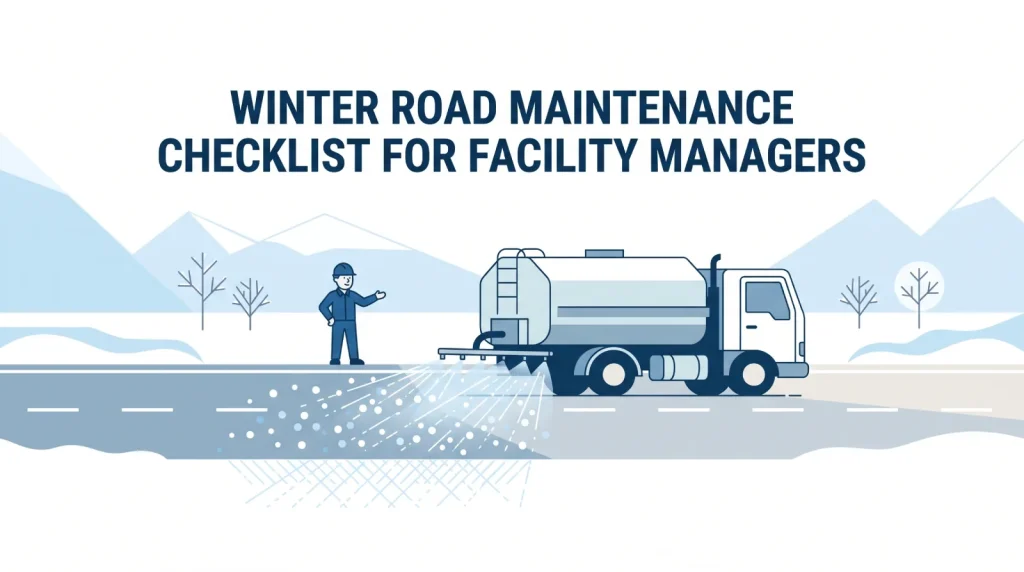
A proactive plan is fundamentally a decision-making framework that prioritizes preventing ice-pavement bond formation. This approach, known as anti-icing, is a chemically strategic process rather than a simple operational reaction. It involves applying a liquid or pre-wetted solid deicer to a road surface just before a frost or snow event.
How Does Anti-Icing Differ from Traditional Deicing?
The critical distinction lies in timing and mechanism.
- Deicing is reactive. It involves applying a chemical agent on top of already-formed ice or packed snow to melt through it and break the bond to the pavement. This requires more material and time.
- Anti-icing is proactive. It places a brine solution or pre-wetted solid onto bare pavement. As snow begins to fall, the chemical layer prevents the first flakes from freezing to the surface, acting as a barrier. This allows for much easier and faster mechanical removal with plows.
The Federal Highway Administration (FHWA) reports that "anti-icing can restore bare pavement conditions faster and at lower cost than deicing," sometimes with chemical application rates up to 40% lower than those required for reactive post-storm treatment.
How Does Calcium Chloride Work as a Deicing Agent?
The effectiveness of calcium chloride is rooted in its hygroscopic and exothermic properties. Unlike other common deicers that simply lower the freezing point of water, calcium chloride actively attracts moisture from its surroundings and releases heat in a dissolving reaction.
Why Is Exothermic Performance Critical at Low Temperatures?
When solid calcium chloride pellets contact ice or snow, they begin pulling water vapor and liquid moisture. This dissolving process generates a significant amount of heat, reaching over 140°F (60°C) in a small, controlled laboratory setting—enough to jump-start the melting process instantly. In practical applications, this allows it to penetrate ice layers and undermine the ice-pavement bond much faster than endothermic deicers like rock salt or urea, which draw heat from the environment to dissolve. This performance advantage is decisive below 15°F (-9°C), where its melting action continues while sodium chloride's practically stops.
Calcium Chloride vs. Rock Salt: A Low-Temperature Performance Comparison
The operational performance gap between these two deicers becomes clear when you compare their practical temperature limits and melting speed. Facility managers must understand this to make cost-effective decisions for different weather scenarios.
| Feature | Calcium Chloride (CaCl₂) | Rock Salt (Sodium Chloride, NaCl) |
|---|---|---|
| Practical Lowest Temperature | -25°F (-32°C) | 15°F (-9°C) |
| Heat Generation | Exothermic (generates heat) | Endothermic (absorbs heat) |
| Ice Penetration Speed at 15°F | Fast; begins dissolving immediately | Very slow; relies on traffic to crush it |
| Primary Mechanism | Attracts moisture, dissolves, generates heat | Lowers water's freezing point |
| Typical Application Rate (Anti-icing) | 200-300 lbs per lane mile as a pre-wetted solid | 300-800 lbs per lane mile as a pre-wetted solid |
What Should a Winter Road Maintenance Checklist Include for Facility Managers?
A comprehensive checklist transforms a reactive scramble into a structured, verifiable series of steps. It should be organized into distinct operational phases: Pre-Season Preparation, Storm-Response Activation, and Post-Storm Recovery. This segmentation ensures that no critical action is overlooked under pressure.
Pre-Season Preparation (October-November)
This phase is about infrastructure hardening and supply chain assurance. The goal is to have every tool and material ready and calibrated before the first weather alert.
- Inspect and clear all drainage systems. Ensure catch basins, culverts, and ditches are free of leaves and debris. Melted snow must have a clear path to drain; otherwise, refreezing will create black ice hazards overnight.
- Service and calibrate all spreading equipment. Check hydraulic lines, spinners, augers, and electronic controllers on all spreaders. Calibrate for the specific granular or liquid materials you plan to use, as bulk density varies between products like calcium chloride and rock salt.
- Inspect material storage infrastructure. Ensure piles are on impermeable pads and covered with a waterproof tarp. Check secondary containment dikes for damage. Liquid storage tanks should be double-walled or have full containment basins, and all valves and transfer pumps should be leak-free.
- Procure and stockpile materials. Secure your estimated seasonal requirement, plus a 25% buffer for extreme years. Establish a just-in-time delivery contract with your supplier to avoid running out mid-storm.
- Conduct a pre-season site walk-through. Identify new trip hazards, cracks that could widen with frost, and signage for slippery conditions. Document everything with dated photos.
Storm-Response Activation (0-48 Hours Before Event)
This stage is a decision-making sequence triggered by a reliable weather forecast. The central question is: "At what pavement temperature will this precipitation arrive?"
- Decide on anti-icing application. Based on pavement temperature forecasts, determine the material. For temperatures above 15°F, a pre-wetted salt brine may be cost-effective. For forecast temperatures from 15°F down to -25°F, a calcium chloride-based liquid or pre-wetted solid is a more reliable choice to prevent initial ice bonding.
- Apply the anti-icing agent strategically. Focus on high-risk zones: bridge decks, shaded areas, ramps, and main intersections. Use a calibrated liquid sprayer or a spreader set for pre-wetted solids to ensure even, trace-level coverage that does not leave a wet, slippery film.
- Pre-stage snow removal equipment. Position plows, loaders, and blowers in a heated, accessible bay with engines on block heaters. Attach edge guards to plow blades on sensitive surfaces like pavers or decorative concrete to prevent gouging.
Post-Storm Recovery (During & After Event)
The goal shifts to rapid pavement recovery and infrastructure cleanup. The risks here involve over-application of chemicals and corrosive residue.
- Plow at the right time. Begin mechanical removal before snow accumulation exceeds 2 inches or as soon as the anti-icing layer has done its job of preventing the bond. Keep plow speed below 25 mph to prevent material being thrown far off the road surface.
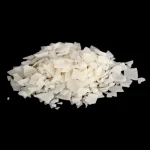
- Apply deicer only where needed post-plow. Conduct a spot-check for residual ice or hard-pack. Apply a light, targeted application of a fast-acting deicer like calcium chloride flakes to these specific areas rather than a blanket broadcast.
- Perform a final high-speed spin. Once bare pavement is achieved, a truck-mounted high-speed air blower or a road sweeper can remove any remaining wet, salty slush, accelerating drying and reducing post-storm residue tracking into buildings.
When Should Facility Managers Use Liquid vs. Solid Deicers?
The choice between liquid and solid deicers is not one of inherent superiority, but of application strategy and timing. Both forms of calcium chloride are integral to a complete winter road maintenance program. The decision-making process rests on three factors: the pavement condition before the storm, the pavement temperature, and the operational goal.
Liquid Calcium Chloride for Proactive Anti-Icing
Liquid is the tool of choice for pre-storm prevention. A 32% calcium chloride brine solution is sprayed directly onto dry pavement. It dries quickly to form a concentrated, invisible crystalline film that immediately goes to work when precipitation starts. Liquids offer the significant operational advantages of zero bounce and scatter and can be applied at high speeds of up to 35 mph, covering a large campus efficiently in a short application window.
Solid Calcium Chloride Pellets for Reactive Deicing and Spot Treatment
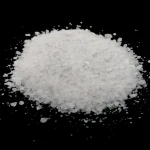
Solid pellets are the workhorse for post-storm response and breaking up hard-pack. They are ideal when you need to burn through ice quickly. Their granular form and high density allow them to punch through ice without being blown away by wind. For best results, solids should be pre-wetted with a calcium chloride solution at the spinner. This simple step accelerates the dissolving and heating process by 25-30% and nearly eliminates material loss from bounce, as the moistened pellets stick to the ice surface on impact.
What Safety Practices Govern Calcium Chloride Use?
The safe handling of calcium chloride is straightforward and governed by a framework of standard industrial hygiene and environmental management practices. The concentrated material is hygroscopic and a mild irritant, not a systemic toxin. The safety objective is to prevent direct, prolonged contact and to manage the runoff.
What Personal Protective Equipment Is Required?
The primary risk is irritation from the material's drying effect on skin and eyes. Standard personal protective equipment effectively mitigates this.
- Gloves: Wear chemical-resistant gloves (neoprene or nitrile). Leather or cloth gloves are unsuitable as they will absorb the material and hold it against the skin.
- Eye Protection: Use safety glasses with side shields when loading hoppers or mixing solutions. A full-face shield is recommended when transferring large volumes of liquid from bulk tanks.
- Respiratory Protection: In a well-ventilated outdoor environment, a respirator is not typically required. If working in a confined indoor storage area with significant airborne dust from pouring bulk bags, an N95 dust mask can prevent mechanical irritation of the nose and throat.
- Clothing: Long sleeves and pants are recommended. Wash any clothing that becomes contaminated with the product separately from other laundry.
How Is Environmental Impact Managed?
The environmental stewardship of calcium chloride focuses on controlling the application rate to prevent chloride runoff into soil and waterways. Over-application is the single largest avoidable risk. Calibrated equipment ensures you apply the minimum effective dose. Storage areas must be on an impermeable pad with diking to contain any spills or contact with rainwater, preventing concentrated brine from leaching into the ground. Following the manufacturer's directions for deicing application rates and sweeping up any visible leftover solids after a storm further controls this risk.
Winter Road Maintenance Checklist
Use this operational checklist as a pre-event and post-event verification tool. Mark each item as completed and initial with the date.
- □ Verify 72-Hour Weather Forecast: Check pavement temperature and precipitation type forecast from a road weather service.
- □ Select Anti-Icing Material: Choose a calcium chloride brine for temperatures below 15°F; a salt brine may be cost-effective above this threshold.
- □ Calibrate Application Rate: Set sprayer for 20-40 gallons per lane mile for liquid anti-icing, or 200-300 lbs per lane mile for pre-wetted solid.
- □ Pre-Wet All Solid Deicers: Activate pre-wetting system at the spinner for any solid material broadcast to reduce bounce and accelerate melting.
- □ Inspect Drainage: Confirm all storm drains on the route are clear of snow and ice before applying any deicer.
- □ Plow with Return Gate Set: Keep plow speed at 15-25 mph to minimize material throw and maintain a clean, consistent clearing path.
- □ Perform Spot Deicing: After plowing, target residual hard-pack with calcium chloride pellets only; do not re-broadcast the entire route.
- □ Sweep Residual Slush: Use a road sweeper or air blower after deicing to remove salty slush and reduce post-storm residue tracking.
- □ Perform Post-Storm Equipment Washdown: Pressure-wash all spreading and plowing equipment with warm water to remove chloride residue and prevent corrosion.
- □ Inspect and Restock Materials: Refuel and reload all vehicles, top off liquid tanks, and repair any damaged tarps on stockpiles.
- □ Log Application Rates and Results: Record actual pounds or gallons used, pavement temperature at application, and observed results for future calibration and cost analysis.
- □ Check for Pavement and Vegetation Damage: Walk the site post-storm to identify any plow-edge scrapes, pothole formation, or browning on turf edges along roadways for spring repair planning.
FAQs
What is the difference between calcium chloride and magnesium chloride for deicing?
Calcium chloride is more effective at lower temperatures than magnesium chloride. It remains effective down to -25°F (-32°C), while magnesium chloride’s practical performance limit is around 5°F (-15°C). Calcium chloride also releases more heat upon dissolving, leading to a faster initial ice melt. Magnesium chloride is often selected for its lower corrosive potential but requires a higher application rate to achieve similar results in cold conditions.
How does winter road salt affect concrete?
The primary damage mechanism to concrete from road salt, including calcium chloride, is not direct chemical corrosion but physical freeze-thaw scaling. The deicer melts ice, and the resulting water-salt solution soaks into the concrete’s pores. If this saturated concrete refreezes, the internal pressure causes the surface to spall and flake off. Properly air-entrained, high-quality concrete is resistant to this damage.
Why should you not use rock salt on new concrete?
New concrete, which is less than 12-18 months old, is still undergoing hydration and has not developed its full strength. Its pore structure is more permeable, making it highly susceptible to the freeze-thaw scaling damage exacerbated by any deicing salt. Using rock salt or calcium chloride on non-air-entrained, new concrete can lead to rapid and severe surface deterioration. Clean sand is the safest traction alternative for the first winter.
How long does a road brine solution stay active on pavement?
The effective residual of a road brine, such as a 32% calcium chloride solution, depends heavily on traffic and precipitation intensity. On a dry road with no traffic, the dried crystalline residue can remain active for several days, ready to activate when it encounters moisture. Under heavy, continuous rain or high-volume traffic at highway speeds, the residue is physically worn away or diluted within 2-4 hours, requiring reapplication.
Where is calcium chloride used most in industrial winter maintenance?
Calcium chloride is strategically prioritized for the most demanding cold-weather applications. It is heavily used on bridge decks and elevated structures that freeze before ground-level roads, at airport aprons where rapid action is a safety-critical requirement, and on steep grades where a fast melt is needed to maintain traction. It's also used in remote areas where application frequency is minimized, due to its long-lasting residual effect from the hygroscopic film it leaves behind.
Is calcium chloride safe for use around pets and vegetation?
Calcium chloride is safe when used correctly. The risk to pets is primarily minor paw irritation from walking on treated, wet surfaces; washing paws after a walk is a simple preventive measure. For vegetation, damage occurs almost exclusively from over-application, where chloride runoff accumulates in the soil. Properly calibrated equipment, applied at the minimum effective rate, keeps the material on the pavement surface and away from turf edges, preventing toxic build-up.
What is the ideal concentration for a calcium chloride brine solution?
The eutectic point for a pure calcium chloride water solution is approximately 32% by weight. At this concentration, the solution has the lowest possible freezing point, around -60°F (-51°C). For practical anti-icing operations, a 30-32% brine is produced and stored. It is then often diluted slightly during application, where it quickly absorbs moisture from the air and melting snow.
When should you apply liquid deicer before a predicted snowstorm?
The ideal window for applying a liquid anti-icer like a calcium chloride brine is 1-2 hours before the onset of precipitation. Application on a dry road surface is critical to allow the solution to dry into an active film. Applying it too early risks the residual being blown away or degraded by traffic. Applying it on a road already wet from rain or early snow squalls will dilute the brine and compromise its effectiveness.
Can calcium chloride be mixed with other deicers?
Yes, calcium chloride is frequently blended. The most common operational blend is pre-wetting solid rock salt with a calcium chloride brine. This combines the low initial cost of salt with the fast, low-temperature kick-start of calcium chloride. At the spinner, the brine causes the salt to melt ice more quickly and stay on the road surface instead of bouncing off. Directly mixing dry solid forms is generally not recommended due to potential caking.
How should calcium chloride pellets be stored to prevent caking?
Calcium chloride is extremely hygroscopic and will actively absorb moisture from the air, causing the solid pellets to dissolve and fuse into a hard, unmanageable mass. Storage piles or unopened bags must always be covered with a sealed, waterproof tarp, and bags should be stored on pallets in a dry location. Once a bag is opened, it should be used completely, as resealing it will trap humid air inside. Liquid bulk storage tanks should be sealed and vented with a desiccant air dryer for long-term quality.
Conclusion
A robust winter road maintenance strategy is a fusion of chemical science and logistical planning. The core actionable insight for facility managers is to shift from a reactive, one-material-fits-all approach to a proactive, temperature-driven strategy centered on anti-icing. By understanding the distinct performance advantages of materials like calcium chloride, which provides an exothermic reaction effective to -25°F, you can make precise, cost-effective decisions that rock salt alone cannot support. The sequence of anti-icing, followed by mechanical plowing, and concluding with targeted spot deicing, forms a hierarchy of control that maximizes safety and minimizes material use. The key is to calibrate your equipment, train your team on the decision triggers for when to use a liquid versus a pre-wetted solid, and implement a checklist that audits every phase from pre-season drainage to post-storm washdown. For facility managers seeking to refine their site-specific anti-icing application rates, a professional winter preparedness audit can provide a data-driven calibration plan tailored to your pavement, drainage, and micro-climate conditions.