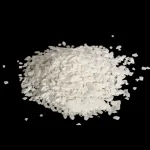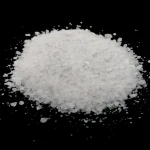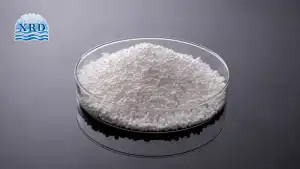
Winter maintenance planning poses a significant challenge for procurement and engineering professionals: selecting a deicing strategy that balances performance, budget, and long-term infrastructure health. The core of this decision often comes down to a single, critical comparison: calcium chloride vs sodium chloride. A default, volume-based approach using only traditional rock salt is increasingly inadequate for modern demands in safety, operational efficiency, and environmental stewardship.
This article provides a rigorous, data-driven analysis of this decision. It moves beyond simple cost-per-ton comparisons to dissect the chemical mechanisms, practical performance limits, and total cost of ownership for each material. By the end, you will have a clear decision-making framework to optimize your winter maintenance program for the 2026 season.
The calcium chloride vs sodium chloride comparison is more than a simple price check — it is a complex evaluation of melting speed, effective temperature range, and long-term asset impact. Understanding how these chemicals perform in real-world winter conditions is the key to making an informed procurement decision.
Key Takeaways
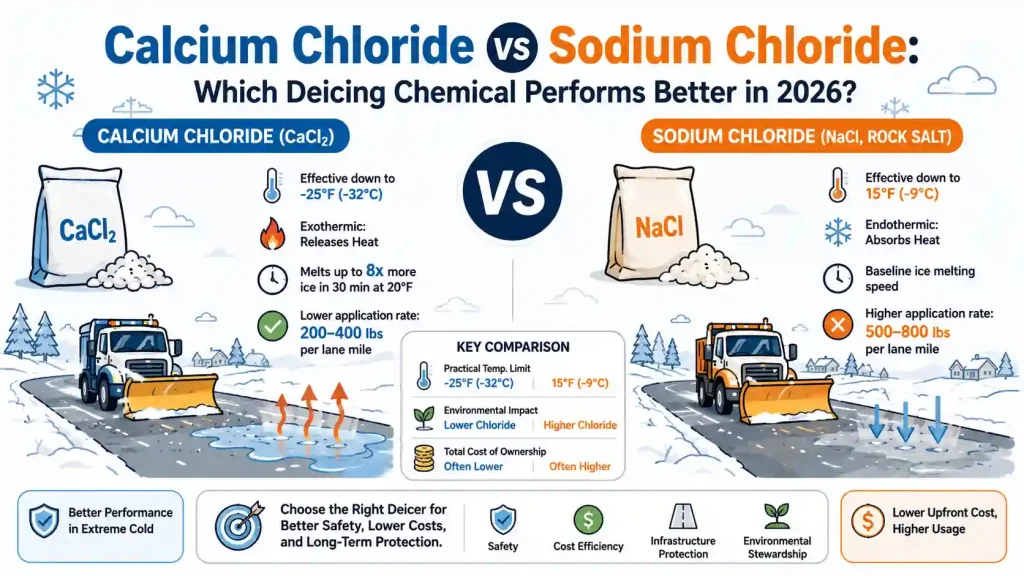
- Calcium chloride is effective down to -25°F (-32°C), whereas sodium chloride loses significant deicing speed below 15°F (-9°C).
- While the upfront price of sodium chloride is lower, calcium chloride‘s exothermic reaction enables it to melt up to 8 times more ice in the first 30 minutes at 20°F (-7°C).
- The total cost of ownership for deicing must factor in application rate; calcium chloride often requires 200-400 lbs per lane mile compared to 500-800 lbs for rock salt.
- Chloride loading to the environment can be lower with calcium chloride due to its reduced application dosage, even though both materials carry ecological risks.
What Is the Chemical Difference Between Calcium Chloride and Sodium Chloride?
The performance gap in the calcium chloride vs sodium chloride debate originates at the molecular level. Their distinct chemical structures dictate everything from melting speed to effective temperature range.
Sodium chloride (NaCl) is a simple 1:1 ionic compound, dissociating into one sodium ion and one chloride ion. Its deicing action is purely a colligative process, meaning it lowers the freezing point of water by physically disrupting the formation of an ordered ice crystal lattice.
Calcium chloride (CaCl₂) is fundamentally different. As a 1:2 ionic compound, it yields three ions per molecule — one calcium ion and two chloride ions — upon dissolution. This single fact means that, mole for mole, calcium chloride produces 50% more freezing-point-depressing particles than sodium chloride. Furthermore, its dissolution is highly exothermic, a thermodynamic advantage that sodium chloride lacks. This exothermic property is a critical differentiator in practical application speed.
How Does Calcium Chloride vs Sodium Chloride Perform in Extreme Cold?
The most operationally critical dimension of the calcium chloride vs sodium chloride comparison is low-temperature performance. This factor alone often dictates material suitability for a given climate and reveals a stark performance gap.
What Is the Effective Temperature Limit for Rock Salt?
Sodium chloride has a well-documented practical low-temperature limit. While pure salt‘s eutectic point is -6°F (-21°C), its melting action becomes exponentially slower well before that. The Pacific Northwest Snowfighters Association notes that “[sodium chloride] is generally ineffective as a deicer at temperatures below 15°F (-9°C).” This creates a hard thermal ceiling for engineers managing sites in colder regions.
Calcium chloride breaks through this barrier. Its eutectic temperature is approximately -59°F (-51°C), with a practical working range that extends down to -25°F (-32°C). This makes it the only reliable choice for ensuring a bare pavement policy during severe cold snaps.
Exothermic Action vs. Endothermic Cooling
A frequently overlooked aspect of calcium chloride vs sodium chloride is their thermodynamic reaction with moisture.
- Calcium Chloride (Exothermic): It is highly hygroscopic, actively attracting moisture from its surroundings. Upon contact with ice or snow, it immediately begins generating heat. This thermal shock penetrates the ice pack rapidly and breaks the bond between the pavement and the ice layer. 1 pound of CaCl₂ can release approximately 1,400 Btu of heat as it dissolves.
- Sodium Chloride (Endothermic): Rock salt must absorb heat energy from its surroundings to initiate dissolution. If pavement temperature is already low, this process further cools the surface, dramatically slowing the melting action. Approximately 200 Btu of heat is consumed per pound of NaCl dissolved.
This thermodynamic contrast explains a powerful real-world metric: in the critical first 30 minutes at 20°F (-7°C), calcium chloride can melt up to 8 times more ice than an equivalent weight of sodium chloride.
A Direct Performance Comparison Table
An objective evaluation requires a granular, side-by-side analysis of the key performance and application metrics. This table breaks down the data that defines the calcium chloride vs sodium chloride selection process.
| Feature | Calcium Chloride (CaCl₂) | Sodium Chloride (NaCl, Rock Salt) |
|---|---|---|
| Practical Temp. Limit | -25°F (-32°C) | 15°F (-9°C) |
| Eutectic Temperature | -59°F (-51°C) | -6°F (-21°C) |
| Ice Melted in 30 min at 20°F (-7°C) | Up to 8x more than NaCl | Baseline (1x) |
| Thermal Reaction | Exothermic (releases heat) | Endothermic (absorbs heat) |
| Typical Application Rate | 200-400 lbs per lane mile | 500-800 lbs per lane mile |
| Phase State | Solid (pellets, flakes) / Liquid | Solid (granular) / Liquid (brine) |
| Primary Deicing Mechanism | Colligative + Exothermic | Colligative only |
How Much Do Calcium Chloride and Sodium Chloride Really Cost Per Lane Mile?
A true financial comparison in the calcium chloride vs sodium chloride analysis cannot be made on purchase price alone. A Total Cost of Ownership (TCO) model must encompass application rate, material waste, and long-term asset depreciation.
A ton of bulk sodium chloride may carry a typical market reference price of $60-$100, while a ton of calcium chloride pellets is often priced between $300-$500. A superficial assessment would declare salt the victor. However, the operational efficiency of calcium chloride inverts this view. Because calcium chloride requires a 30-50% lower application rate to achieve equivalent or superior results, the normalized cost per lane mile per storm event narrows considerably. When a TCO model further accounts for pavement spall repair, corrosion mitigation in steel infrastructure, and reduced liability from faster, low-temperature melting, the economic advantage of a low-dose, high-performance chemical becomes clear.
Is Calcium Chloride or Sodium Chloride Safer for Concrete and the Environment?
The true cost of a deicing program is also measured in its collateral impact. A responsible calcium chloride vs sodium chloride comparison must evaluate long-term asset health and ecological stewardship.
How Does Each Chemical Affect Reinforced Concrete?
Chloride ions are the primary agent in the corrosion of reinforcing steel in concrete and vehicular metal. While both chemicals are corrosive, the argument that calcium chloride is inherently more aggressive requires context. The key metric is total metal loss per lane mile treated. Sodium chloride‘s endothermic nature keeps it in a wet, brine state longer, extending its contact time with steel. The rapid melting and drying action of calcium chloride can reduce this contact window, and its 30-50% lower application dose means a lower total chloride load on a given surface, often leading to reduced long-term damage.
What Are the Environmental Effects of Deicing Salt Runoff?
Runoff introduces chlorides into sensitive ecosystems for both deicers. The critical distinction lies in the associated cations. Sodium ions from rock salt can disperse soil clays, destroying soil structure, impairing drainage, and displacing essential plant nutrients. Calcium chloride delivers the plant nutrient calcium instead. The U.S. Environmental Protection Agency (EPA) acknowledges that “[chloride] levels from road salt are a major factor in the long-term salinization of freshwater bodies.” The most direct path to reducing this impact is to use fewer total pounds of chloride per acre, a direct result of switching to a higher-performing, lower-dose chemical.
How to Choose Between Calcium Chloride and Sodium Chloride for Your Facility
To translate the calcium chloride vs sodium chloride analysis into procurement action, this decision matrix aligns chemical properties with operational realities.
Choose Sodium Chloride (Rock Salt) when:
- The majority of winter storms occur with pavement temperatures consistently above 20°F (-7°C).
- Upfront material budget is the absolute primary constraint, and long-term asset depreciation is managed by a separate cost center.
- You are deploying a pre-wetting strategy with a liquid calcium chloride activator to boost performance.
- The treated surface is non-reinforced asphalt with a simple, robust storm drainage system.
Choose Calcium Chloride (Pellets or Flakes) when:
- Safety requirements demand immediate ice-melting action at temperatures below 15°F (-9°C).
- You are protecting high-value concrete infrastructure, such as multi-story parking garages, bridges, or areas near sensitive water bodies.
- Your Total Cost of Ownership model prioritizes liability reduction, infrastructure preservation, and a 30-50% reduction in total material storage volume.
- Faster break-out of ice bonded to pavement is a critical performance metric.
How to Qualify a Deicing Chemical Supplier: Key Standards and Certifications
Selecting the right chemical is only half the strategy; qualifying a reliable supplier is equally critical. When evaluating potential partners for your winter maintenance program, the focus should be on technical capability and supply chain reliability. A supplier should be able to provide a detailed product specification sheet that verifies the active ingredient purity, as this directly impacts performance. For calcium chloride, a purity of 94-97% min is an industry benchmark that ensures effective exothermic reaction. Consistent granule size and low anti-caking agent concentration are also key for predictable spreader calibration. A qualified supplier, like XRD Chemical, that can provide this granular data and technical consultation on application rates helps ensure your procurement decision is based on measurable performance, not just a commodity price.
Conclusion
The calcium chloride vs sodium chloride decision is a foundational element of a cost-effective and safe winter maintenance program. This analysis has demonstrated that while sodium chloride offers a low upfront price, calcium chloride‘s exothermic, low-temperature performance down to -25°F and faster melting speed can fundamentally change an operation’s risk and total cost profile. The true choice hinges on moving beyond cost-per-ton to evaluate total cost of ownership, factoring in application rates, infrastructure corrosion, and environmental chloride loading. The right path depends on your specific temperature profile, asset value, and risk tolerance. For teams evaluating high-performance deicers for sensitive and cold-weather applications, XRD Chemical provides a product portfolio designed for the data-driven professional.
FAQs
What is the core performance difference between calcium chloride and sodium chloride?
The core difference is thermal action and temperature range. Calcium chloride is exothermic, generating heat and remaining effective down to -25°F. Sodium chloride is endothermic, absorbing heat, and becomes largely ineffective below 15°F. This fundamental thermodynamic contrast dictates their respective use cases.
How much faster does calcium chloride melt ice than sodium chloride?
In the first 30 minutes of application at 20°F (-7°C), calcium chloride can melt up to 8 times more ice than an equivalent weight of sodium chloride. This speed is due to its exothermic reaction, which immediately generates heat and quickly breaks the bond between ice and pavement.
Is calcium chloride more corrosive than sodium chloride?
While both are corrosive chlorides, calcium chloride‘s faster drying time reduces contact time with steel. Crucially, its effective application rate is 30-50% lower than salt, which means less total chloride loading on infrastructure per storm event, often leading to reduced metal loss over time.
At what temperature should I switch from rock salt to calcium chloride?
A switch to calcium chloride is strongly recommended when pavement temperatures are predicted to fall below 15°F (-9°C). Sodium chloride’s melting speed drops exponentially below this threshold, creating a significant safety risk for pedestrians and vehicles on treated surfaces.
Can you mix calcium chloride and sodium chloride together?
Yes, this is a common and effective pre-wetting strategy. A liquid calcium chloride brine is applied to granular sodium chloride to kick-start the melting process. This combination extends the rock salt’s effective temperature range and improves its overall melting speed in colder conditions.
What are the environmental effects of calcium chloride vs sodium chloride?
Both release chlorides, but their cations differ in impact. Sodium from rock salt can disperse soil and harm plant roots by displacing essential nutrients. Calcium is a plant nutrient. The lower total dosage of calcium chloride results in a smaller chloride footprint per treated area.
When should I choose calcium chloride over rock salt for a parking garage?
Choose calcium chloride for a parking garage when you need to protect reinforced concrete. Its low application dose and rapid action reduce the volume of chloride-laden water penetrating concrete pores, minimizing the risk of long-term steel rebar corrosion and spalling damage.
What are typical application rates for calcium chloride vs sodium chloride?
For anti-icing or deicing operations, sodium chloride is typically applied at 500-800 lbs per lane mile. Calcium chloride achieves equal or better results at a rate of 200-400 lbs per lane mile, directly reducing material volume, storage needs, and total environmental loading.
Does calcium chloride work on all pavement types?
Calcium chloride can be used on both asphalt and concrete surfaces. However, caution is advised on new or poorly cured concrete, as any chloride source can increase the risk of spalling. Its lower application dose generally makes it a less aggressive option for mature concrete.
What safety precautions are needed when handling these deicers?
Both materials are skin and eye irritants requiring proper handling. Calcium chloride’s exothermic reaction means it generates heat on contact with moisture, requiring chemical-resistant gloves and safety goggles during handling to prevent burns. Personal protective equipment is mandatory for both bulk solids and liquids.