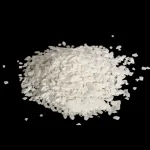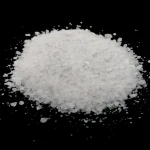
Modern industry and infrastructure face a persistent challenge: managing moisture, ice, and dust in demanding environments. The simple solution of using plain water or rock salt is often no longer enough, especially when temperatures plummet or specific chemical reactions are required. This article explains how calcium chloride addresses these problems through a unique set of chemical properties, making it one of the most versatile inorganic compounds available. From keeping roads ice-free in sub-zero conditions to accelerating concrete curing, its applications are vast and essential. We will explore its chemistry, diverse grades, and critical role across dozens of industries, providing a complete guide for engineers, purchasers, and the simply curious.
Whether you encounter it as the white pellets melting ice on a winter sidewalk, the invisible agent keeping dust down on a gravel road, or a crucial ingredient in food manufacturing, calcium chloride is likely a part of your daily life. Its ability to generate heat when dissolved, attract moisture, and lower the freezing point of water far beyond what traditional salts can achieve makes it a powerhouse chemical. This guide will break down exactly what this compound is, how it works, and crucially, how to select the right form for your specific application.
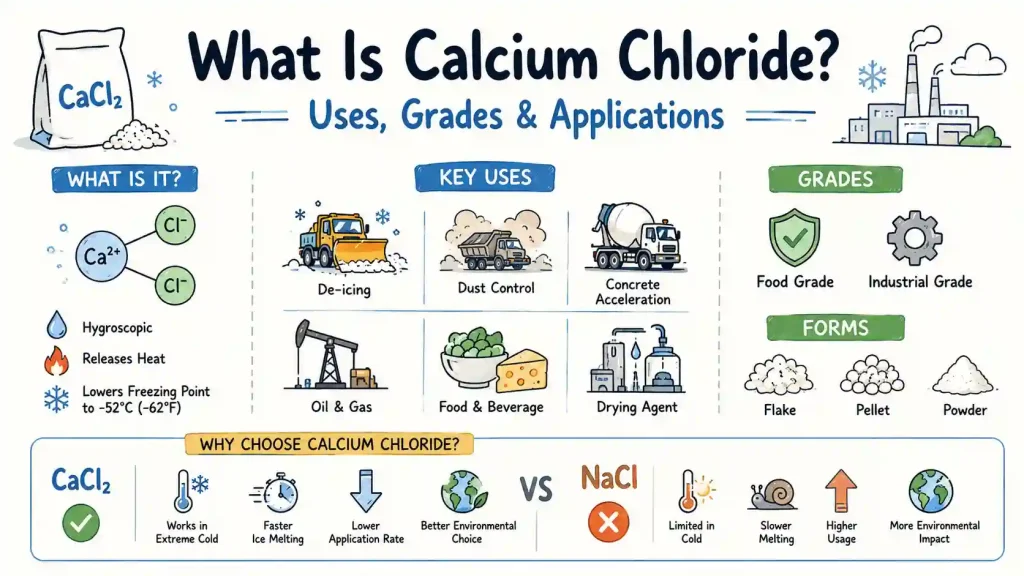
Calcium chloride (CaCl₂) is a salt composed of calcium and chlorine. Unlike common rock salt (sodium chloride), it is deliquescent, meaning it can absorb enough moisture from the air to dissolve into a liquid brine. This core hygroscopic mechanism, combined with its exothermic dissolution and ability to depress the freezing point of water to as low as -52°C (-62°F), makes it an unmatched performer in de-icing, dust control, and industrial drying applications.
Key Takeaways
- Calcium chloride is a hygroscopic salt with the unique ability to attract and retain moisture from its environment, which is the basis for most of its industrial applications.
- It is significantly more effective than sodium chloride (rock salt) for de-icing, functioning effectively at temperatures as low as -25°F (-32°C), compared to about 15°F (-9°C) for salt.
- The global calcium chloride market size was valued at over USD 1.4 billion in 2023 and is projected to grow, driven by demand in construction, dust control, and oil & gas.
- Food-grade calcium chloride plays a vital role in food preservation, cheese making, and even as an electrolyte in sports drinks.
- Selecting the correct grade (e.g., food-grade vs. industrial-grade) and form (flake, pellet, powder) is critical for operational efficiency and safety.
The Fundamental Chemistry: What Is Calcium Chloride Made Of?
At its core, what is calcium chloride? It is a chemical compound with the molecular formula CaCl₂, formed through the ionic bonding of one calcium ion (Ca²⁺) and two chlorine ions (Cl⁻). This simple structure results in a remarkably stable and water-soluble salt. The raw materials are derived from naturally occurring brine or are manufactured as a by-product of the Solvay process for sodium carbonate.
The unique power of this compound lies in its reaction with water. When solid calcium chloride comes into contact with moisture or water, the dissolution is highly exothermic, meaning it releases a significant amount of heat. This isn't just a laboratory curiosity; it’s the functional principle behind its use in self-heating food packaging and a major advantage in melting ice. Simultaneously, its strong hygroscopic nature means it will continue to draw water vapor from the surrounding air, a process that makes it invaluable for controlling dust and drying gases.
Calcium Chloride vs. Sodium Chloride: A Critical Comparison for De-icing
A common question is, is calcium chloride better than sodium chloride? For winter road maintenance, the answer is a definitive yes, when considering performance in extreme cold and total applied volume, though the cost is higher. An embedded comparison helps clarify the key differences.
De-icing Performance Showdown: How the Two Salts Compare
| Feature | Calcium Chloride (CaCl₂) | Sodium Chloride (NaCl) | Advantage |
|---|---|---|---|
| Effective Temperature | Down to -25°F (-32°C) | Down to 15°F (-9°C) | CaCl₂ |
| Heat Generation | Exothermic (generates heat) | Endothermic (absorbs heat) | CaCl₂ |
| Ice Penetration | Exothermic heat and hygroscopic action create brine rapidly, boring through ice. | Brine creation is slow and stops at low temperatures. | CaCl₂ |
| Corrosivity | More corrosive to unprotected metals than NaCl. | Less corrosive than CaCl₂, but still a significant factor. | NaCl |
| Application Rate | Typical rate is 200-400 lbs per lane mile. | Typical rate is 300-800 lbs per lane mile. | CaCl₂ |
| Environmental Impact | Less chloride is needed, reducing total runoff. Ca²⁺ can help flocculate soil, reducing erosion. | High volumes lead to significant chloride runoff, harming vegetation and aquatic life. | CaCl₂ |
While calcium chloride has a higher upfront cost per ton, its effectiveness at lower application rates and its ability to prevent refreezing can make it a more economical and environmentally sensitive choice over a full winter season. The initial exothermic reaction is the key differentiator; it starts melting ice instantly, whereas rock salt must wait for solar or frictional heat to begin working.
How Do the Physical Forms of Calcium Chloride Differ?
Understanding the physical forms of calcium chloride is as important as knowing its chemistry. The form dictates the speed of dissolution, handling methods, and suitability for different applications.
Calcium Chloride Flakes: Rapid Dissolution for Fast-Acting Needs
Flakes, typically at 77-80% concentration, are the most popular form due to their high surface area, which allows for rapid dissolution. They are ideal for:
- De-icing: Quick-acting brine formation.
- Dust Control: Fast moisture absorption to wet and bind fine particles on unpaved surfaces.
- Oil & Gas: Formulating clear brine fluids for completions and workovers due to high density and rapid mixing.
Calcium Chloride Pellets: Controlled Release and Low Dust
Pellets, at 94-97% concentration, are small, spherical, and hard, with a high calcium chloride content. Their low-dust formulation and slow, controlled release make them perfect for:
- Tire Weighting: Adding weight to tractor tires for improved traction and stability.
- Desiccants: Used in air dryers to absorb moisture in packaging or confined spaces.
- Spot De-icing: Blended with rock salt to enhance its performance without the quick dissolution of flake.
Calcium Chloride Powder: Maximum Purity for Precision Applications
An ultra-fine, high-purity form at 94-98% concentration that dissolves almost instantly. This is the workhorse for precise, high-value applications:
- Food & Beverage: Used directly as a firming agent or for spherification in molecular gastronomy.
- Industrial Drying: A key raw material for manufacturing desiccant products.
- Laboratory Reagents: Where precise chemical reactions require rapid solubility.
What Is Calcium Chloride Used For? Industrial Applications Across Sectors
The versatility of calcium chloride extends across dozens of industries. Here is a breakdown of its primary non-winter applications.
Construction and Concrete Acceleration: How Does It Speed Up Curing?
In the construction industry, calcium chloride is renowned as a powerful concrete set accelerator. It speeds up the hydration of cement, allowing it to set and gain strength faster in cold weather. The American Concrete Institute (ACI) provides guidance on its use, and ACI reports that "calcium chloride is the most effective and economical accelerator for concrete." Typical addition rates of 1-2% by weight of cement can significantly shorten setting time without compromising 28-day strength, which is a critical factor for maintaining construction schedules during winter.
Dust Control and Soil Stabilization: A Self-Sustaining Moisture Regulator
Unpaved roads, mining sites, and construction areas generate significant airborne dust, posing health and environmental hazards. Applying a liquid calcium chloride solution binds fine particles together and draws moisture from the air, keeping the surface consistently damp. A single application can suppress dust for weeks, reducing the frequency of watering and grading. This hygroscopic action stabilizes the road base, minimizing gravel loss and cutting maintenance costs by up to 50%.
Oil and Gas Operations: High-Density Brine for Well Control
In the oilfield, calcium chloride brine is a critical component of completion and workover fluids. Its high density (up to 11.6 lbs/gallon) provides the hydrostatic pressure needed to control formation pressures during drilling and well servicing. Unlike clay-based muds, a clean CaCl₂ brine minimizes formation damage, preserving the reservoir's permeability. Technical-grade, high-purity flakes and pellets are specified to create clear, solids-free brines for these sensitive operations.
The Food-Grade Distinction: Is Calcium Chloride Safe to Eat?
It may be surprising, but what is calcium chloride doing in your cheese, canned vegetables, and bottled water? It’s a multifunctional food additive approved by the FDA, recognized as Generally Recognized as Safe (GRAS). Its application in food is where purity becomes non-negotiable.
Applications of Food-Grade Calcium Chloride (E509): Where It Appears on Your Plate
| Function | Application | Benefit |
|---|---|---|
| Firming Agent | Canned fruits/vegetables, apple slices | The calcium ions strengthen cell walls (by forming calcium pectate), preventing them from turning mushy during cooking and canning. |
| Coagulant | Cheese making (tofu, paneer, cheddar) | It restores the calcium balance of homogenized milk, promoting a firmer curd and increasing the final cheese yield by up to 5%. |
| Electrolyte Source | Sports drinks, bottled water | Adds a mineral-rich, slightly salty taste and replenishes calcium and chloride ions lost through sweat. |
| Flavor Enhancer | Pickles | Maintains a crisp texture without increasing sodium content as much as table salt (NaCl). |
| Spherification | Molecular gastronomy | A bath of calcium chloride instantly gels droplets of sodium alginate-flavored liquid, creating caviar-like spheres with a liquid core. |
A Technical Guide to Handling and Safety: What Are the Risks?
While extremely useful, calcium chloride is a chemical that demands respect and proper handling procedures. It is not toxic in small quantities, but direct contact can cause irritation.
Key Safety Data Sheet (SDS) Highlights
- Skin & Eye Contact: The exothermic heat of dissolution can cause thermal burns if solid flakes contact wet skin. It is a severe eye irritant; safety goggles are mandatory.
- Inhalation: Dust from powder or flakes can irritate the respiratory tract. Use NIOSH-approved respirators in poorly ventilated areas with high dust concentrations.
- Storage: Calcium chloride is hygroscopic, so it must be stored in tightly sealed containers in a cool, dry place. If exposed to open air, it will absorb moisture, cake into a solid mass, and become unusable.
- Spill Response: Sweep up solid spills and place in a dry, labeled container for disposal. Liquid spills should be contained with sand or earth, then collected. Prevent large quantities of solution from entering waterways, as it can increase water salinity.
Best Practices for Mixing Solutions: A Step-by-Step Safety Approach
A static mixer or agitation system is required when preparing concentrated liquid solutions, as the dissolution is rapid and highly exothermic. Always add calcium chloride to water, never the reverse, to control the heat reaction and prevent violent boiling or splashing of a highly concentrated acidic solution on the surface.
Best Practices for Selecting the Right Grade: How to Choose
Selecting a grade isn’t just about purity; it’s about matching the product's impurity profile and particle form to the operational goal. Using an industrial-grade product in a food application risks product rejection and health hazards.
- For Food and Pharmaceutical Production: Specify Food-Grade (E509) or USP/BP grade. This requires documentation proving traceability, heavy metal limits (<20 ppm lead), and full solubility. Certificates of Analysis (CoA) should be standard with every shipment.
- For De-icing and Dust Control: An industrial-grade flake at 77-80% concentration provides the best balance of cost-effectiveness and rapid performance.
- For Concrete Acceleration: Use a granular or flake form that conforms to ASTM D98, ensuring it’s free of excessive alkalis that could cause aggregate reactivity.
- For Oilfield Brine: Specify a technical-grade pellet or powder at 94-97% purity, with strict limits on sulphates and iron to prevent scaling and formation damage.
- For Tire Ballast: A 94% mini-pellet is ideal, as the low moisture content provides maximum weight density, and the spherical shape prevents punctures during installation via liquid jet.
What to Look for in a Calcium Chloride Supplier
Understanding the general applications and grades of calcium chloride is the first step. The next step is ensuring a consistent, certified supply of the material that fits your exact process. This is where choosing the right supplier becomes critical. The market includes many commodity-grade options, but high-stakes applications in food, pharmaceuticals, and technical oilfield brines require a partner with a commitment to purity and reliability.
When evaluating suppliers, look for those who provide detailed documentation, including batch-level traceability and full Certificates of Analysis (CoA) that verify compliance with relevant standards such as ASTM D98 or Food Chemicals Codex. A supplier's quality management system should consistently meet stringent limits on heavy metals, insoluble matter, and alkalinity. For teams looking for high-assay, low-impurity calcium chloride flake, pellet, or powder with full technical documentation, XRD Chemical offers certified quality designed for regulated industries.
Conclusion
Calcium chloride is far more than a simple ice melter; it is a strategic inorganic compound whose hygroscopic, exothermic, and freezing-point depression properties make it indispensable across global industries. From accelerating concrete in the biting cold and suppressing dust on remote mining roads to firming the vegetables in your pantry and formulating clear oilfield brines, its applications are a testament to its unique chemistry. The core takeaway is that performance hinges on selecting the right physical form and, critically, the right chemical grade for the task.
For those integrating a high-purity calcium chloride solution into manufacturing, food production, or technical industrial processes, the key is to prioritize suppliers who provide verifiable purity, consistency, and detailed technical documentation. Start by requesting full Certificates of Analysis and batch-level traceability records to ensure the material meets your specific application requirements.
FAQs
What is calcium chloride most commonly used for?
Its most common use is for winter road de-icing, where its ability to generate heat and melt ice at very low temperatures surpasses traditional rock salt. It is also heavily used for dust control on unpaved surfaces and as a concrete set accelerator.
How does calcium chloride work to melt ice?
It works via two mechanisms. First, it is exothermic, releasing heat upon contact with moisture. Second, it attracts water to form a high-concentration brine, which has a freezing point as low as -52°C, far below water's freezing point, thereby melting the ice and preventing refreezing.
Is calcium chloride safe to eat?
Yes, in its food-grade form (E509), it is recognized as safe by the FDA. It acts as a firming agent in canned goods, a coagulant in cheese, and an electrolyte in sports drinks. Industrial-grade products must never be consumed.
What is the difference between calcium chloride flakes and pellets?
Flakes have a high surface area, dissolve rapidly, and are ideal for de-icing and dust control. Pellets are dense, dissolve more slowly, generate less dust, and are perfect for tire weighting, desiccants, and blending with other salts for a controlled release.
Is calcium chloride better than rock salt for driveways?
For performance in extreme cold (below -9°C), yes. It melts ice instantly and works at much lower temperatures. However, it is more expensive and can be more corrosive to concrete and metal if over-applied. It is best used sparingly as a pre-treatment or a booster.
How long does calcium chloride last when used for dust control?
A single application can suppress dust for 4 to 8 weeks, depending on the application rate, traffic volume, soil type, and weather conditions like rainfall frequency. Its hygroscopic property gives it a lasting advantage over plain water.
What are the risks of handling calcium chloride?
The main risks include thermal burns from its exothermic reaction with moisture, severe eye irritation, and respiratory tract irritation from dust. Always wear gloves and safety goggles, and use a respirator in dusty conditions.
Can calcium chloride be used in a pool to increase hardness?
Yes. Calcium chloride is the standard chemical used to raise calcium hardness in swimming pool water, preventing the water from becoming corrosive and leaching calcium from plaster, grout, or concrete pool walls.
What does "77% calcium chloride flake" mean?
This indicates the purity, meaning the flake is 77% by weight pure calcium chloride (CaCl₂), with the remaining 23% being water bound in the crystal structure and trace salts like sodium chloride. Higher percentages, like 94%, represent anhydrous or near-anhydrous forms.
How should I store a calcium chloride bag after opening?
Immediately reseal the bag completely and store it in a cool, dry, well-ventilated area. Because it aggressively absorbs moisture, an unsealed bag will quickly form a solid, unusable cake. Using a plastic bucket with an airtight lid is an ideal storage solution.