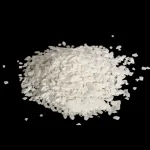
Modern food manufacturing relies on a sophisticated array of processing aids to ensure that products reaching consumers are safe, consistent, and of high quality. Among these, calcium chloride stands out as one of the most versatile yet frequently misunderstood compounds. The global food industry processes millions of tons of this mineral salt annually, but its role in everyday foods often goes unnoticed by the average consumer.
The term food grade calcium chloride refers to a highly purified form of this inorganic salt that meets strict safety standards for human consumption. While the same chemical compound is used for de-icing roads and controlling dust on construction sites, the version used in food production undergoes rigorous purification to remove heavy metals and other contaminants that make industrial-grade material unsafe to eat.
This article explores the chemistry, manufacturing process, regulatory framework, and diverse applications of this essential food additive. You will learn how it transforms liquid into solid in cheese making, keeps canned vegetables firm during processing, and even plays a role in the molecular gastronomy techniques used in avant-garde restaurants. Whether you are a food technologist, a quality assurance professional, or simply someone curious about what goes into your food, this guide provides a comprehensive, evidence-based overview.
What This Article Covers
- The chemical nature of calcium chloride and how food grade differs from industrial grade
- The seven major food applications where this additive proves essential
- Safety regulations and maximum usage levels established by global food authorities
- The physical mechanism behind its firming and texturizing effects
- Comparison with alternative firming agents and salts
- Practical considerations for food manufacturers selecting purity levels
- Bottom line: Food grade calcium chloride is a rigorously regulated, safe additive that solves specific textural and processing challenges across multiple food categories.
The Chemistry Behind Calcium Chloride
To understand why calcium chloride behaves the way it does in food systems, it helps to start with the molecule itself. Calcium chloride has the chemical formula CaCl₂, meaning each unit contains one calcium ion (Ca²⁺) and two chloride ions (Cl⁻). This simple ionic structure gives the compound a set of physical properties that directly determine its usefulness in food processing.

Hygroscopic Nature: Why It Attracts Water
The most functionally important property of calcium chloride is its extreme hygroscopicity. The compound absorbs moisture from the surrounding environment so aggressively that if left exposed to ambient air, it will eventually dissolve in the water it has pulled from the atmosphere. This behavior, known as deliquescence, makes calcium chloride one of the most effective desiccants available to food manufacturers.
This moisture-attracting property is not merely a storage concern. It drives several critical food applications. When dissolved in water, calcium chloride dissociates completely into its constituent ions, releasing heat in an exothermic reaction. The resulting solution has a freezing point significantly lower than pure water, which makes it valuable in brine systems for food freezing applications. A 30% calcium chloride solution freezes at approximately -52°C (-61.6°F), compared to 0°C (32°F) for pure water.
Ionic Interactions with Food Components
Once dissolved, the calcium ions interact with proteins, polysaccharides, and other charged molecules in the food matrix. These interactions follow predictable chemical principles. The divalent calcium cation (Ca²⁺) carries a double positive charge, which allows it to form ionic cross-links between negatively charged groups on adjacent polymer chains.
In pectin-containing fruits and vegetables, calcium ions bridge between carboxyl groups on pectin molecules, creating a more rigid gel network that resists thermal breakdown during canning. In dairy systems, calcium ions influence casein micelle stability and promote coagulation during cheese making by neutralizing negative charges on protein surfaces. The effectiveness of calcium chloride in these roles stems partly from its high solubility compared to other calcium salts like calcium carbonate or calcium sulfate.
Food Grade vs. Industrial Grade: Understanding Purity Standards
Not all calcium chloride is created equal. The distinction between food grade and industrial grade material represents one of the most important quality control boundaries in food manufacturing, with implications for consumer safety and regulatory compliance.
Food grade calcium chloride must comply with specifications established by authoritative bodies. The Food Chemicals Codex (FCC), published by the U.S. Pharmacopeial Convention, sets purity requirements that manufacturers must meet. These standards typically require a minimum assay of 94-97% CaCl₂, with strict limits on heavy metals including arsenic (no more than 3 mg/kg), lead (no more than 2 mg/kg), and mercury (no more than 1 mg/kg).
Industrial grade material, by contrast, may contain impurities that are acceptable for de-icing roads or suppressing dust but dangerous for human consumption. The U.S. Food and Drug Administration (FDA) classifies food grade calcium chloride as Generally Recognized as Safe (GRAS) under 21 CFR 184.1193, provided it meets the purity criteria and is used in accordance with good manufacturing practices. The impurity profiles differ substantially between grades, as shown below.
| Parameter | Food Grade (FCC) | Industrial Grade |
|---|---|---|
| Minimum CaCl₂ Purity | 94-97% | 77-94% |
| Heavy Metal Limit (as Pb) | ≤ 10 mg/kg | Not specified |
| Arsenic Limit | ≤ 3 mg/kg | Not controlled |
| Lead Limit | ≤ 2 mg/kg | Not controlled |
| Typical Impurities | Trace sodium chloride, potassium chloride | Magnesium chloride, iron oxides, insoluble matter |
| Regulatory Oversight | FDA, EFSA, JECFA | Environmental regulations only |
The purification process that transforms industrial grade into food grade involves multiple crystallization steps, filtration, and sometimes chemical treatment to precipitate and remove heavy metals. This additional processing accounts for the higher cost of food grade material, but food manufacturers cannot substitute industrial grade without risking regulatory action and consumer health.
Seven Major Food Applications
Food grade calcium chloride finds its way into an unexpectedly wide range of food products. Its functionality spans multiple categories, from dairy to produce to beverages, and in each case, the underlying ionic chemistry produces distinct practical benefits.
Cheese Making: Curd Formation and Yield Improvement
In cheese production, calcium chloride serves a function that dates back to traditional cheesemaking practices. Pasteurization of milk, while essential for safety, reduces the concentration of soluble calcium because heat drives calcium phosphate out of solution. This loss impairs the ability of rennet to coagulate milk properly, leading to weak curd formation and lower cheese yields.
Adding food grade calcium chloride at a rate of approximately 0.02% to 0.04% by weight of milk restores the ionic calcium balance. The calcium ions facilitate casein micelle aggregation by screening electrostatic repulsion and forming calcium bridges between protein particles. This produces a firmer curd that can be cut cleanly, retains more fat and protein, and ultimately delivers higher yields from the same volume of milk.
Commercial cheesemakers report yield improvements ranging from 1% to 5% when calcium chloride supplementation is optimized, depending on the milk source and seasonal variations in milk composition. For a medium-sized cheese plant processing 500,000 liters of milk daily, even a 2% yield improvement represents significant economic value.
Canned Fruits and Vegetables: Maintaining Texture
The challenge of canning produce lies in thermal processing. To achieve commercial sterility, canned vegetables and fruits must be heated to temperatures that naturally degrade pectin, the structural polysaccharide that gives plant tissues their firmness. Without intervention, canned tomatoes turn mushy, pickles lose their crunch, and apple slices become a soft puree.
Food grade calcium chloride addresses this by reinforcing the pectin structure before thermal processing begins. At concentrations ranging from 0.1% to 0.4% in the canning liquid, calcium ions cross-link pectin chains, creating a stronger gel network that better withstands the rigors of retort processing. The calcium-pectin complex resists thermal hydrolysis more effectively than unmodified pectin.
The result is a canned product that retains recognizable texture. Consumer testing consistently shows that firmness is among the most important quality attributes for canned vegetables. Processing plants measure this objectively using texture analyzers that quantify the force required to shear or penetrate the product. Calcium chloride treatment typically increases measured firmness values by 20% to 40% compared to untreated controls, depending on the vegetable type and processing conditions.
Molecular Gastronomy: Spherification
In modern cuisine, calcium chloride enables one of the signature techniques of molecular gastronomy. Spherification, developed by Ferran Adrià at elBulli, creates liquid-filled gel spheres that burst when eaten. The technique relies on the reaction between sodium alginate and calcium ions.
The process works as follows. A flavored liquid containing dissolved sodium alginate is dropped into a bath of calcium chloride solution, typically at 0.5% to 1% concentration. When the alginate droplet contacts the calcium ions, an instantaneous gel membrane forms on the surface, encapsulating the liquid interior. The calcium ions replace the sodium ions in the alginate polymer, creating an insoluble calcium alginate gel.
By controlling the contact time and calcium concentration, chefs can produce spheres with gel skins ranging from paper-thin to relatively thick. The technique works only with direct spherification, where the alginate is in the flavored liquid and the calcium chloride is in the setting bath. Reverse spherification places the calcium in the flavored liquid and the alginate in the bath, which avoids the problem of gelation continuing after removal from the bath.
The European Food Safety Authority (EFSA) has evaluated the safety of calcium chloride for food use and established that its use in food at normal processing levels does not pose a safety concern. This applies to all applications, including these more recent culinary innovations.
Sports Drinks and Electrolyte Beverages
Calcium chloride serves as an electrolyte source in formulated beverages designed for rehydration and mineral replenishment. The human body loses calcium through sweat during prolonged exercise, and beverage formulators include calcium salts to replace these losses.
Compared to calcium carbonate or calcium citrate, calcium chloride offers the advantage of high solubility and rapid dissolution. A typical sports drink formulation might contain calcium chloride at levels providing 2% to 10% of the daily value for calcium per serving. At these concentrations, the taste impact is generally manageable through careful flavor masking, though calcium chloride does contribute a slight salty and mineral note that formulators must balance against other ingredients.
The chloride component also contributes to the total electrolyte profile. Together with sodium chloride and potassium chloride, calcium chloride helps create a more complete electrolyte matrix that supports hydration more effectively than sodium alone. Research on oral rehydration solutions has demonstrated that formulations containing multiple electrolytes improve water absorption compared to those relying on a single salt.
Beer Brewing: Water Chemistry Correction
Brewers manipulate the mineral content of their brewing water to achieve specific beer styles, and calcium chloride is one of the primary salts used for this purpose. Adding calcium chloride to brewing water increases both calcium and chloride concentrations, which affect mash enzyme activity, protein coagulation during the boil, and the perception of beer flavor.
Calcium ions at 50 to 150 mg/L protect alpha-amylase from thermal denaturation during mashing, improving starch conversion efficiency. The same calcium levels promote the precipitation of oxalate and improve hot break formation during wort boiling, resulting in clearer finished beer. Chloride ions at moderate levels enhance the perception of malt sweetness and fullness on the palate, making calcium chloride particularly useful in malty styles like brown ales, porters, and Scotch ales.
A brewer targeting a specific water profile might add 0.5 to 2 grams of calcium chloride per gallon of water, depending on the starting water chemistry and the target beer style. This precision adjustment would be impossible without food grade purity material, as impurities in industrial grade calcium chloride could introduce off-flavors or toxic elements.
Tofu and Soy Protein Coagulation
The production of tofu, a staple food across East Asia for over 2,000 years, traditionally uses calcium sulfate or magnesium chloride as coagulants. However, food grade calcium chloride has gained adoption as an alternative coagulant that offers specific textural advantages.
When heated soy milk is treated with dissolved calcium chloride at concentrations of 0.2% to 0.5%, the calcium ions neutralize the negative surface charges on soy protein particles and form salt bridges between them. This causes controlled aggregation and gel formation, trapping water and lipids within the protein network. The resulting tofu has a characteristically smooth, slightly firm texture that appeals to certain regional preferences.
Compared to traditional nigari (magnesium chloride) coagulation, calcium chloride produces a tofu with slightly higher calcium content and somewhat different mouthfeel. The coagulation rate is generally faster, requiring careful control of mixing and temperature to avoid over-coagulation and graininess. Manufacturers selecting calcium chloride as a coagulant typically cite consistency and the nutritional benefit of additional calcium as key advantages.
Canned Legumes: Reducing Splitting and Starch Loss
Canned beans, chickpeas, and other legumes face a textural challenge during retort processing. The starch granules within legume cells gelatinize and swell under heat and pressure, sometimes causing the seed coat to split and starch to leach into the canning liquid. This produces an unsightly product with cloudy brine and soft, broken beans.
Food grade calcium chloride, added to the brine at concentrations of 0.1% to 0.3%, significantly reduces these defects. The calcium ions interact with pectin in the middle lamella between legume cells and with the seed coat structure itself. This reinforcement maintains cell wall integrity during thermal processing, reducing splitting rates and keeping starch where it belongs, inside the bean.
Quality control data from canning operations show that calcium chloride treatment can reduce bean splitting by 50% to 70% compared to untreated controls, depending on legume variety and processing conditions. The difference is visually striking and directly impacts consumer acceptance and product grading.
Is Calcium Chloride Better Than Other Firming Agents? A Functional Comparison
Food manufacturers choosing among firming agents must evaluate multiple candidates, each with distinct chemistry and performance characteristics. The following comparison examines calcium chloride against the most common alternatives used in food processing.
| Property | Calcium Chloride | Calcium Sulfate | Calcium Lactate | Magnesium Chloride |
|---|---|---|---|---|
| Solubility in Water | 74.5 g/100 mL at 20°C | 0.24 g/100 mL at 20°C | 9.3 g/100 mL at 20°C | 54.2 g/100 mL at 20°C |
| Calcium Content | 36.1% | 29.4% | 18.4% | 0% (Mg: 25.5%) |
| Taste Impact | Salty, slightly bitter | Neutral | Neutral to slightly acidic | Bitter at high concentrations |
| Firming Speed | Fast | Slow | Moderate | Moderate |
| Cost (Relative) | Low | Low | High | Low-Medium |
| Regulatory Status | GRAS, E509 | GRAS, E516 | GRAS, E327 | GRAS, E511 |
The choice of firming agent depends primarily on the application. Calcium chloride's high solubility makes it ideal for brines and solutions where rapid dissolution is needed. Its calcium density is the highest among common food-grade calcium salts, meaning less material achieves the same ionic calcium concentration.
However, calcium chloride imparts a salty taste that can be undesirable in neutral-flavored products. For delicately flavored fruit products, calcium lactate may be preferred despite its higher cost and lower calcium content. The flavor impact threshold for calcium chloride is approximately 0.05% to 0.1% in most food matrices, above which consumers may detect its presence.
FDA and Global Regulatory Status
Food grade calcium chloride operates within a well-defined regulatory framework that establishes purity standards, permitted food categories, and maximum usage levels. Manufacturers using this additive must understand the requirements in each jurisdiction where their products are sold.
In the United States, the FDA lists calcium chloride as GRAS under 21 CFR 184.1193. This regulation permits its use in foods at levels not exceeding current good manufacturing practices, with no specified upper limit for most applications. The FDA requires that the material meet FCC specifications and be used only in amounts necessary to achieve the intended technical effect. The agency has evaluated the safety data and concluded that food grade calcium chloride poses no health risk when used as intended.
The European Union designates calcium chloride as food additive E509. The European Commission's regulations permit its use quantum satis, meaning no maximum level is set, in most food categories. This reflects the European Food Safety Authority's assessment that calcium chloride has very low acute toxicity and that dietary exposure from approved uses remains far below any level of toxicological concern.
Joint FAO/WHO Expert Committee on Food Additives (JECFA) has also evaluated calcium chloride and confirmed that its established use in food processing does not present a health hazard. The committee noted that calcium and chloride ions are normal constituents of body fluids and that humans consume both in far larger quantities from other dietary sources than from additive use.
Best Practices for Food Manufacturers Using Calcium Chloride
Food manufacturers incorporating calcium chloride into their processes can achieve more consistent results by following established best practices. These recommendations synthesize industry experience and published technical guidance.
Implement staged dissolution procedures. When preparing calcium chloride brines or stock solutions, add the material to water rather than water to the material. The exothermic dissolution generates significant heat, and adding water to solid calcium chloride can cause localized boiling and splattering. Mechanical agitation during dissolution prevents clumping and accelerates the process.
Verify purity with certificate of analysis documentation. Every lot of food grade calcium chloride should be accompanied by a certificate of analysis confirming FCC compliance. Review the heavy metal results specifically, as these represent the primary safety concern. Establish a supplier audit program that includes periodic third-party testing to verify the accuracy of supplier certificates.
Monitor solution concentration with refractometry or hydrometry. Solution concentration directly determines the functional effect in most applications. Simple density or refractive index measurements provide rapid, reliable concentration data. For a calcium chloride solution at 20°C, specific gravity correlates with concentration: a 10% solution has a specific gravity of approximately 1.083, while a 20% solution measures about 1.177.
Document addition rates and effects. The optimal calcium chloride concentration varies with raw material characteristics, especially in produce applications where seasonal and varietal differences affect pectin content and structure. Systematic documentation of addition rates and resulting product quality allows manufacturers to adjust recipes as raw materials change.
Consider flavor impact in application development. The salty taste of calcium chloride becomes a factor above certain concentrations. Conduct sensory evaluation at expected usage levels, particularly in products with delicate flavor profiles. Flavor masking with sugars or other taste modulators may extend the acceptable concentration range.
FAQs
What is food grade calcium chloride made from?
Food grade calcium chloride is produced from natural brine deposits or as a byproduct of sodium carbonate manufacturing via the Solvay process. The raw material undergoes dissolution, filtration to remove insoluble impurities, chemical treatment to precipitate heavy metals, and multiple crystallization stages to reach FCC-compliant purity of at least 94% CaCl₂. The final product is dried and sized into flakes, pellets, or powder for commercial distribution.
How does calcium chloride improve cheese quality?
Calcium chloride restores the ionic calcium balance in pasteurized milk, which loses soluble calcium during heat treatment. By adding calcium chloride at 0.02% to 0.04% by milk weight, cheesemakers achieve firmer curd formation, cleaner cutting, and improved whey separation. This results in higher cheese yields, typically 1% to 5% improvement, and more consistent product texture compared to cheese made without calcium supplementation.
Is food grade calcium chloride safe to consume?
Yes, when used according to good manufacturing practices. The FDA classifies food grade calcium chloride as GRAS under 21 CFR 184.1193. JECFA has evaluated the toxicological data and found no health concerns at levels used in food processing. Both calcium and chloride ions are normal body fluid constituents, and dietary exposure from food additive use is minor compared to intake from natural food sources.
What foods commonly contain calcium chloride?
Calcium chloride appears on ingredient labels for cheese, canned vegetables, canned beans, pickles, sports drinks, bottled water, tofu, and some baked goods. It may be listed by name or as food additive E509 in products sold in the European Union. The concentration ranges from approximately 0.02% in cheese milk to 0.5% in spherification baths for molecular gastronomy applications.
Does calcium chloride affect sodium content in food?
Calcium chloride does not contain sodium and does not directly increase sodium content. It may be used to reduce sodium in some formulations where it partially replaces sodium chloride while maintaining taste and functional effects. However, because calcium chloride has a salty taste, consumers may perceive sodium-like flavor without actual sodium addition, which can support sodium reduction strategies in processed foods.
How long does food grade calcium chloride last in storage?
When stored in sealed, moisture-proof containers at ambient temperature, food grade calcium chloride has a shelf life of 12 to 24 months from the date of manufacture. The primary storage challenge is moisture absorption, which causes caking and eventual liquefaction. Properly sealed packaging with desiccant can extend useful life. Manufacturers should inspect stored material periodically for signs of moisture ingress.
Can you use food grade calcium chloride in home cooking?
Yes, food grade calcium chloride is available for home use through specialty food ingredient suppliers and some retailers. It is used in home cheesemaking, pickling for crispness, and molecular gastronomy applications like spherification. Home users should follow established recipes specifying exact amounts, typically 0.25 to 0.5 teaspoon per gallon of brine for pickling applications, and store the material in an airtight container away from moisture.
What is the difference between calcium chloride and other calcium salts for food use?
The primary differences are solubility and taste. Calcium chloride dissolves at 74.5 g/100 mL, far higher than calcium sulfate at 0.24 g/100 mL or calcium carbonate, which is practically insoluble. This high solubility makes calcium chloride the most efficient source of ionic calcium. The trade-off is taste: calcium chloride has a salty, slightly bitter note, while calcium sulfate and calcium lactate are more neutral. Manufacturers select among these options based on the required dissolution speed, calcium loading, and flavor sensitivity of the product.
Is calcium chloride in water a health concern?
The trace amounts of calcium chloride added to bottled water or present from water treatment are not a health concern. These concentrations, typically 50 to 200 mg/L, contribute to the total dietary calcium intake in amounts far below recommended daily allowances. Both calcium and chloride are essential nutrients that the body regulates through normal homeostatic mechanisms. The levels used in water treatment or mineral adjustment fall well within safe consumption ranges.
How do you determine the correct dosage of calcium chloride for canning?
The correct dosage depends on the vegetable type, canning process, and desired final texture. General guidance recommends brine concentrations of 0.1% to 0.4% by weight. Firmer vegetables and those processed at higher temperatures generally require concentrations at the higher end of this range. Conduct small-scale trials with your specific product and process conditions, measuring texture objectively with a texture analyzer and confirming consumer acceptability through sensory panels before committing to full production.
Conclusion
Food grade calcium chloride plays an essential but often invisible role in the modern food supply. From the firmness of canned vegetables to the clean curd formation in cheese vats, this purified mineral salt solves specific technical challenges that would otherwise compromise product quality and consistency. Its functionality derives from fundamental ionic chemistry, particularly the ability of calcium ions to cross-link polymers like pectin and protein, and from the compound's exceptionally high water solubility.
The safety profile of food grade calcium chloride is well established through decades of regulatory evaluation. The FDA, EFSA, and JECFA have all reviewed the toxicological data and concluded that its use in food processing, when conducted according to good manufacturing practices, presents no health risk to consumers. The rigorous purity standards that define food grade material, as opposed to industrial grade, provide an essential safety control that food manufacturers must maintain through careful supplier selection and incoming material verification.
For food technologists and manufacturers, the key to effective use lies in understanding the interplay between calcium ion concentration, food matrix chemistry, and sensory impact. The optimal dosage for a canned vegetable line will differ from that for cheese milk or a sports drink formulation. Systematic testing under actual process conditions, combined with objective quality measurement, allows each manufacturer to determine the parameters that deliver the right balance of functionality, quality, and cost.